
Camping in the Philippines during the rainy season presents unique challenges, from sudden torrential downpours to high humidity and gusty winds. If you are considering an inflatable tent, such as a Wolfnest model, for these conditions, they can perform exceptionally well, but success depends heavily on the specific materials used and your setup technique. Inflatable tents replace traditional metal or fiberglass poles with pressurized air beams, offering a different structural response to storm conditions.
To make an informed purchase, you must look beyond the novelty of quick setup and evaluate how these air-supported structures interact with tropical weather. While the lack of rigid poles eliminates the risk of snapped metal tearing through your rainfly, it introduces other variables like pressure fluctuations and puncture risks. Understanding these dynamics is the first step toward ensuring a safe, dry, and comfortable shelter during the wet season.
Understanding Inflatable Tents in Tropical Weather
In traditional tents, rigid poles provide the skeletal structure that keeps the fabric taut. When strong winds strike, these poles bend to absorb the force, but extreme gusts can cause aluminum or fiberglass to snap, often resulting in sharp edges that slice through the tent fabric. In contrast, inflatable air beams are inherently flexible. When hit by a powerful gust of wind, an air beam will temporarily bend under the pressure and then pop back into its original shape once the gust passes. This shock-absorbing behavior makes inflatable tents remarkably resilient in stormy weather, as there are no rigid components to break.
Products mentioned in this guide
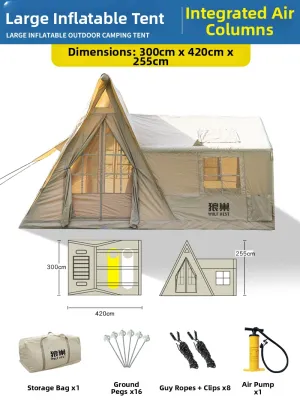
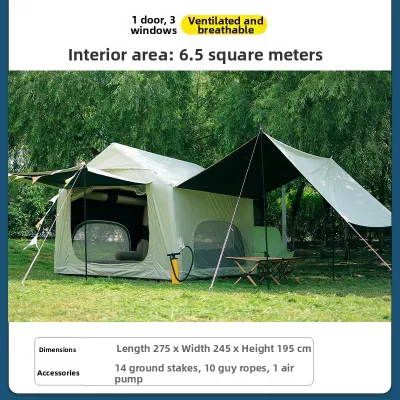
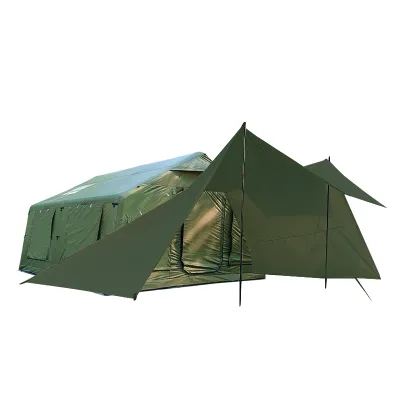
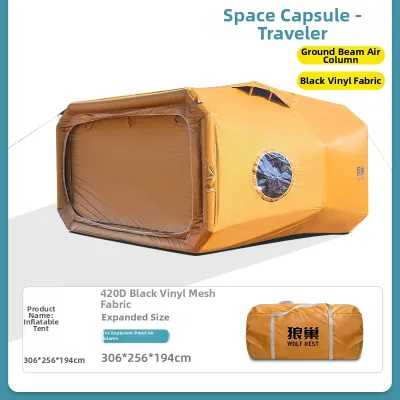
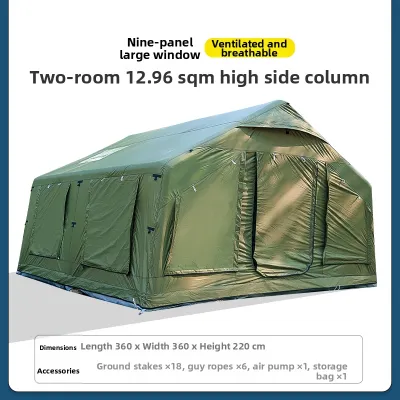
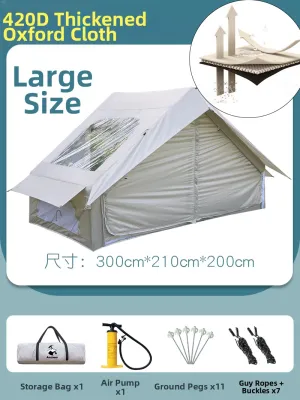
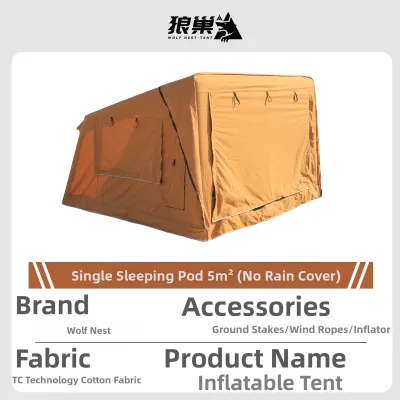
Prices are valid at publication and may change. Please refer to the product page for the latest price.
However, this flexibility does not make them indestructible. The primary vulnerability of an inflatable tent lies in the integrity of its air bladders. During a tropical storm, wind-blown debris, sharp branches, or even rocky terrain can puncture the outer sleeve and the inner TPU (thermoplastic polyurethane) air tube. While the fabric surrounding the air beams is typically heavy-duty, a puncture during a heavy downpour can lead to a slow collapse, compromising your shelter when you need it most.
Furthermore, the tropical climate of the Philippines introduces significant temperature and humidity fluctuations that directly affect air pressure. During a hot afternoon, the air inside the beams expands, increasing internal pressure and putting stress on the seams and valves. When a sudden rainstorm hits, the temperature drops rapidly, causing the air inside the beams to contract. This sudden loss of pressure can make the tent sag, reducing its stability and causing water to pool on the fabric. Managing this pressure differential is a constant requirement when using an inflatable tent in tropical environments.
Essential Weather-Resistance Specifications to Verify
Before taking any inflatable tent into the rainy season, you must verify its technical specifications, starting with the hydrostatic head (HH) rating. The hydrostatic head rating, measured in millimeters (mm), indicates the amount of water pressure the fabric can withstand before water starts to penetrate. For the heavy, sustained downpours common in the Philippines, look for a rainfly with a minimum rating of 2,000mm to 3,000mm. The tent floor, which is subjected to the additional pressure of your body weight and gear, requires an even higher rating, ideally 5,000mm or more, to prevent groundwater from seeping through.

Beyond the fabric rating, inspect the construction quality of the seams and entry points. Water is highly opportunistic and will find any weak spot in your shelter. Ensure that all seams on the rainfly and floor are fully taped or welded at the factory. Examine the zippers closely; they should either be water-resistant polyurethane-coated zippers or protected by wide storm flaps that prevent rain from driving directly into the teeth. Additionally, a generous vestibule design is essential, as it provides a dry transition zone where you can remove wet gear before entering the main sleeping compartment.
The anchoring system is another critical component that requires careful evaluation. Inflatable tents often have a larger profile and catch more wind than low-profile backpacking tents. While the manufacturer will include a standard set of stakes and guylines, these are often designed for mild conditions and may not hold in loose, saturated tropical soil. You should inspect the included kit and consider upgrading to heavy-duty, Y-beam aluminum stakes or steel pegs that can grip wet earth securely. High-visibility, non-stretch guylines with robust tensioners are also necessary to keep the air beams properly aligned and supported during high winds.
Safe Setup and Wind Management Strategies
A successful rainy season camping trip begins long before you inflate your tent, starting with careful campsite selection. Avoid pitching your tent in low-lying areas, dry riverbeds, or natural depressions where water is likely to pool during a heavy downpour. Look for elevated ground with natural drainage and, if possible, position your tent behind natural windbreaks such as dense bushes or rock formations. However, avoid pitching directly under large trees, as saturated soil can loosen tree roots, and falling branches pose a severe safety hazard during tropical storms.
When it comes to inflating the air beams, precision is key. Always use a pressure gauge, which is often integrated into the hand pump provided by the manufacturer. Inflate the beams strictly to the recommended pounds per square inch (PSI), which typically ranges between 5 and 8 PSI depending on the brand. Do not overinflate the beams in the heat of the day, as the air will expand further and could damage the valves or seams. Conversely, if you inflate the tent during a hot afternoon, be prepared to add a few pumps of air in the evening or when the rain starts to fall and the temperature drops.
Finally, you must establish clear safety boundaries and recognize when it is time to abandon camp. While inflatable tents are highly resilient, they are not designed to withstand typhoons or extreme gale-force winds. If you observe water pooling rapidly around your campsite, or if the wind gusts are strong enough to repeatedly flatten the air beams despite proper inflation and anchoring, these are critical stopping conditions. Do not attempt to ride out a severe storm in a tent; prioritize your safety by packing up early or evacuating to a permanent shelter before conditions deteriorate.
Drying, Cleaning, and Storage After Wet Trips
The high humidity of the Philippines makes proper post-trip maintenance absolutely essential to prolong the lifespan of your inflatable tent. Never store a wet or damp tent in its carry bag for more than a day or two. The combination of moisture and warmth creates the perfect breeding ground for mold and mildew, which can ruin the waterproof polyurethane coatings and cause an unpleasant, musty odor. As soon as you return home, pitch the tent in a shaded, well-ventilated area out of direct sunlight, as prolonged exposure to harsh UV rays can degrade the fabric and weaken the air beam sleeves.
Before drying, take the time to clean off any mud, sand, or organic debris that accumulated during your trip. Use a soft sponge, cool water, and a mild, non-detergent soap specifically formulated for outdoor gear. Avoid harsh household detergents, bleach, or abrasive brushes, as these will strip away the durable water repellent (DWR) coating on the exterior fabric. Pay special attention to the zippers, cleaning out any grit that could cause them to jam or split, and wipe down the air valves to ensure they remain free of dirt that could cause slow air leaks.
While cleaning, perform a thorough inspection of the tent’s components to catch any wear and tear early. Look for signs of delamination, where the waterproof backing begins to peel away from the fabric, and check the seam tape for any lifting or bubbling. Inspect the air beam sleeves for abrasion and test the valves for leaks by spraying them with a soapy water solution while inflated; any bubbles will indicate a slow leak. Addressing these issues immediately with specialized gear repair tape or seam sealer will ensure your tent remains reliable and ready for your next rainy season adventure.
Frequently Asked Questions (FAQ)
Do inflatable tents lose pressure in cold or heavy rain?
Yes, inflatable tents will experience a drop in internal pressure when exposed to cold temperatures or heavy rain. This is a natural physical reaction described by Charles’s Law, which states that the volume of a gas decreases as its temperature drops. When cold rainwater pours over the air beams, the air inside cools rapidly and contracts, making the beams feel softer and less rigid. This is not necessarily a sign of a puncture. To maintain structural integrity during a prolonged storm, simply use your hand pump to add a few strokes of air to bring the beams back to their recommended PSI, making sure to check them again once the weather warms up.
Can I patch an inflatable tent beam myself during a trip?
Yes, you can perform field repairs on an inflatable tent beam using the repair kit that typically comes with the tent. Most manufacturers include adhesive patches specifically designed to bond with TPU air bladders. If you detect a leak, deflate the beam, locate the puncture—often by listening for a hissing sound or applying soapy water to find bubbles—and clean the area thoroughly with an alcohol wipe. Apply the patch firmly, ensuring there are no air bubbles or wrinkles, and allow it to cure for the recommended time before re-inflating. While these patches are highly effective for temporary field fixes, you should inspect the repair when you return home to determine if a more permanent replacement bladder is needed.
Is a footprint necessary for rainy season camping?
Using a footprint or groundsheet is highly recommended when camping in the rainy season. A footprint acts as a protective barrier between the wet, muddy ground and the bottom of your tent, preventing sharp rocks, twigs, and roots from puncturing the tent floor or damaging the air beams. Additionally, it helps prevent groundwater from seeping through the floor fabric under the pressure of your sleeping pad and gear. When using a footprint, ensure it is slightly smaller than the outline of your tent floor; if the footprint extends beyond the edges of the tent, it will collect rainwater and funnel it directly underneath your shelter, defeating its purpose.

Community discussion
Share your experience or ask a question. Comments are reviewed before publication.