
An electric punching bag with auto-return and smart features can transform a small corner into an interactive training zone, but it is not a universal replacement for traditional equipment. Determining whether this motorized setup is the right investment depends entirely on your specific training goals, available floor space, and tolerance for mechanical maintenance. If you are looking to build a home boxing corner, you must weigh the high-tech appeal of automated targets against the rugged reliability of classic heavy bags. Use the following diagnostic guide to evaluate if an electric punching bag aligns with your home boxing setup or if a traditional alternative better serves your needs.
Signs an Electric Punching Bag Fits Your Training Goals
An electric punching bag is designed primarily for athletes who prioritize rhythm, speed, reaction time, and cardiovascular conditioning over raw power. Unlike static bags, these motorized systems use active rebound mechanisms to simulate a more dynamic opponent, forcing you to maintain constant movement, slip punches, and time your strikes. If your training routine focuses on high-intensity interval training (HIIT), agility drills, or light sparring simulation, the automated return feature provides a continuous flow that traditional bags cannot replicate without a partner.
Space constraints also play a major role in making this choice practical for modern living arrangements. In many urban homes, apartments, or rented rooms, drilling holes into concrete ceilings or installing massive steel gantry stands is simply not an option. A freestanding electric punching bag requires no permanent mounting, allowing you to set up a dedicated training corner without risking structural damage or losing your rental deposit. The compact footprint of the base means you can tuck the equipment into a corner when it is not in use, preserving valuable floor space in multi-purpose rooms.
Products mentioned in this guide
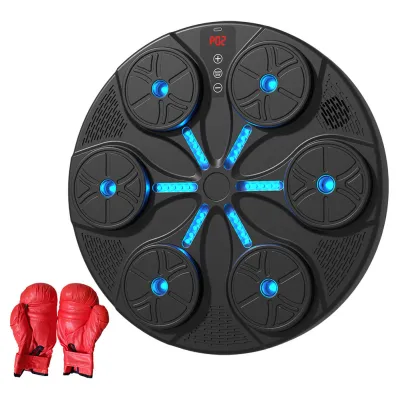
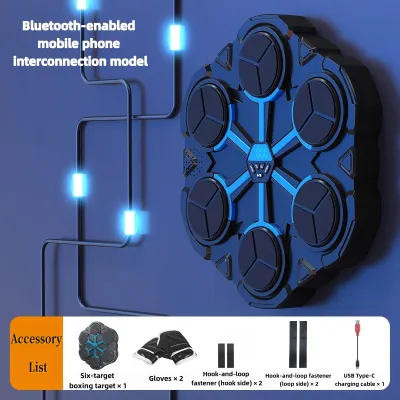
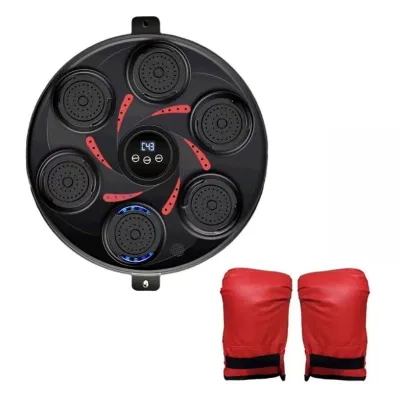

Prices are valid at publication and may change. Please refer to the product page for the latest price.
Furthermore, the built-in smart features of these modern systems offer excellent utility for solo training sessions. Many models include integrated sensors that track hit counts, strike velocity, and reaction times, syncing this data to a digital display or a mobile application. This gamified approach to fitness can be highly motivating, helping you set clear benchmarks and track your progress over time. If you struggle to stay engaged during repetitive solo workouts, the interactive target sequences and adjustable rebound speeds can keep your training sessions fresh and challenging.
When to Choose a Traditional Heavy Bag Instead
While the interactive features of a motorized bag are appealing, they are generally unsuitable for heavy power training. Traditional heavy bags, typically filled with dense textiles or sand, are designed to absorb maximum impact force, allowing you to throw full-power hooks, crosses, and body shots without destabilizing the equipment. If your primary goal is to develop raw punching power, build bone density in your knuckles, or practice heavy combinations, a motorized or spring-loaded bag will lack the necessary mass and resistance, often swinging back too quickly or tipping over under heavy load.

Technique development is another area where traditional bags hold a distinct advantage. Motorized systems and highly flexible spring-loaded shafts often restrict your ability to practice advanced martial arts techniques, such as clinch work, low kicks, or realistic head-movement drills. The predictable pivot point of a spring-loaded neck does not mimic the natural sway of a hanging bag, which can lead to unrealistic distance management habits. For practitioners of Muay Thai, kickboxing, or traditional boxing who require realistic impact absorption and a natural swing path, a classic leather or canvas heavy bag remains the gold standard.
Long-term maintenance and durability also favor traditional gear. An electric punching bag introduces multiple points of failure, including electric motors, digital sensors, wiring, and spring mechanisms that are subjected to repeated high-impact vibrations. In tropical climates with high humidity, electronic components are at a higher risk of corrosion or electrical malfunction over time. In contrast, a traditional heavy bag made of high-quality synthetic leather or canvas requires virtually no maintenance beyond an occasional wipe-down, offering decades of reliable service without the need for replacement parts or technical troubleshooting.
Finally, the financial investment is a major deciding factor. A high-quality electric punching bag with advanced auto-return features represents a significant upfront cost, often priced from ₱10,000 to ₱30,000 or more on fitness equipment platforms. For a fraction of that budget, you can purchase a highly durable traditional heavy bag paired with a heavy-duty freestanding stand or a secure wall mount. If you are working with a limited budget, investing in a traditional setup allows you to allocate remaining funds toward high-quality boxing gloves, hand wraps, and protective flooring.
Essential Specifications to Verify Before Buying
Before committing to an electric punching bag, you must carefully verify several technical specifications to ensure the unit is safe and practical for your household. First, examine the base stability requirements. Most freestanding bags rely on a hollow plastic base that must be filled with water or sand to anchor the unit. Review the manufacturer’s guidelines for maximum filling capacity; a base that holds less than 80 to 100 kilograms of sand or water may slide or tip over during aggressive combinations, especially if you are a larger or stronger athlete.
Height adjustability is another critical specification to check in the product manual. To ensure a safe and ergonomic workout, the center of the striking zone should align naturally with your head and chest level. Verify that the adjustment mechanism is robust, using secure locking pins rather than simple friction dials, which can slip under the repeated impact of your punches. If multiple family members of varying heights plan to use the equipment, a quick-release adjustment system is highly desirable.
You should also thoroughly review the warranty terms and expected lifespan indicators for the motor and spring mechanisms. Because these parts absorb the brunt of your kinetic energy, they are prone to wear and tear. Look for manufacturers that offer dedicated warranties on the motorized components and provide clear instructions on sourcing replacement springs or sensors. If the product manual does not mention replacement parts, you may find yourself with an unusable machine if a single internal component fails.
Lastly, assess the potential noise levels and vibration transfer of the unit. Motorized auto-return mechanisms generate mechanical hums, and the impact of your strikes on a spring-loaded shaft can create low-frequency vibrations that travel through concrete or wooden floors. If you live in a shared household, a multi-story home, or a close-knit neighborhood, these vibrations can cause significant disturbance. Check user manuals or product specifications for noise ratings, and look for models that feature shock-absorbing rubber dampeners at the base to minimize sound transmission.
Space, Safety, and Setup Requirements for Your Home
Setting up an electric punching bag requires more than just clearing a small corner of a room; you must calculate a safe clearance radius to prevent injury and property damage. As a general rule, you need at least 1.5 to 2 meters of unobstructed space in all directions around the center of the bag. This clearance ensures that you can execute full arm extensions, pivot laterally, and practice footwork without colliding with walls, furniture, or glass windows. Remember to account for the maximum swing path of the bag when the auto-return mechanism is fully active.
Floor protection is essential, particularly on the hard tile or concrete floors common in tropical homes. Placing a heavy-duty, interlocking foam or rubber mat beneath the base of the punching bag serves multiple purposes. It prevents the heavy plastic base from scratching or cracking your floor tiles, dampens the noise of rapid impacts, and absorbs the vibrations that would otherwise travel through the building structure. Ensure the matting has a non-slip textured surface to keep the entire setup from drifting during your workout.
Safety boundaries are paramount if you share your home with children or pets. The rapid, motorized rebound of an electric punching bag can be unpredictable, posing a serious risk of injury to anyone walking into your training zone mid-workout. Establish strict rules that the training corner is off-limits during active sessions, and never leave the motorized unit plugged in or powered on when unsupervised.
Finally, you must recognize the stop conditions that indicate a need for immediate maintenance. Cease using the equipment immediately and consult the manufacturer if you notice the motor overheating, an unusual burning smell, erratic or violent rebound behavior, or water leaking from the base. Continuing to strike a malfunctioning motorized unit can lead to electrical hazards, mechanical failure, or physical injury.
Frequently Asked Questions (FAQ)
Can an electric punching bag replace a traditional heavy bag for boxing?
No, an electric punching bag cannot fully replace a traditional heavy bag. Traditional heavy bags rely on sheer mass to absorb high-impact force, making them essential for developing raw power and practicing heavy body shots. Electric models, which use motorized or spring-loaded mechanisms, are designed to rebound quickly, making them excellent supplementary tools for improving reaction time, hand-eye coordination, and cardiovascular endurance, but they lack the resistance needed for heavy power training.
How much clearance space is required around a freestanding electric bag?
You should maintain a minimum clearance radius of 1.5 to 2 meters around the entire unit. This space accounts for the diameter of the base, the maximum swing angle of the rebounding bag, and your own physical movement, including footwork and arm extension. Ensuring this clearance prevents you from striking nearby walls or furniture during dynamic workouts.
What maintenance do the motorized and auto-return components require?
Motorized punching bags require regular inspection of the base seals, spring tension, and electrical connections. In humid environments, it is crucial to keep the electronic console and motor housing dry and free of dust or sweat buildup, which can cause short circuits. Periodically check all bolts and locking pins to ensure they have not loosened from the vibration of your strikes.

Community discussion
Share your experience or ask a question. Comments are reviewed before publication.