
Deciding on a family tent requires looking past marketing labels to see how a shelter performs in real-world conditions. For a typical family camping trip in the Philippines, a 6-person tent like the Village 6 offers a highly practical balance of space and portability, but only if you plan for a smaller group than the maximum rating suggests. While it provides excellent headroom and a livable layout, its suitability depends heavily on your specific sleeping arrangements, gear storage needs, and how well you prepare for tropical weather.
Understanding "6-Person" Capacity for Real Family Use
In the outdoor gear industry, tent capacity ratings are calculated using a standardized footprint that assumes campers will sleep side-by-side on narrow backpacking pads with virtually no space in between. This means a rated “6-person” tent is designed to fit six sleeping bags touching shoulder-to-shoulder, leaving no room for luggage, walkways, or personal elbow room. For a family trip where comfort is a priority, this maximum capacity is rarely practical.
To determine how the tent will fit your specific group, you must calculate your usable space based on your family’s actual sleeping habits. A family of two adults and two children will find a 6-person tent exceptionally comfortable, allowing space for luggage and a small walkway. However, if your group consists of four or more adults, the space will quickly feel cramped once you factor in personal bags and changing areas.
Products mentioned in this guide
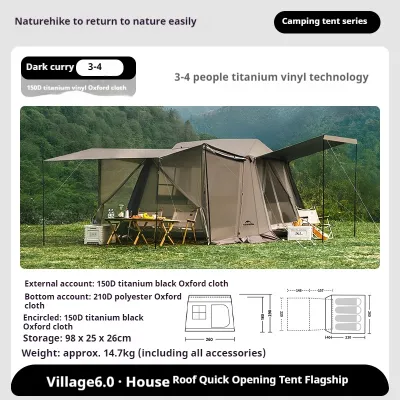
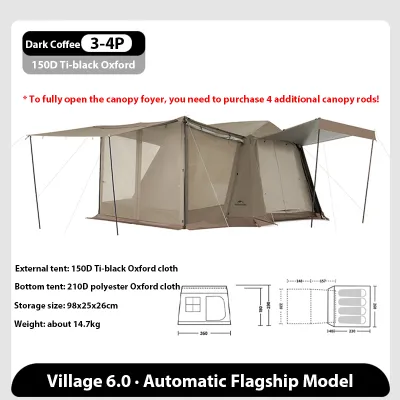
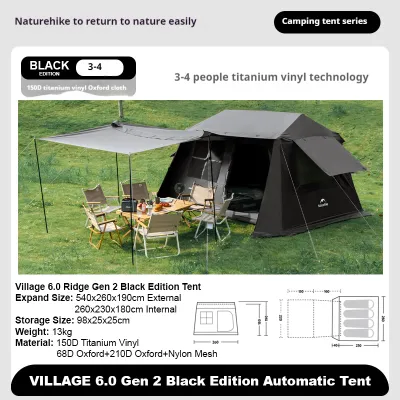
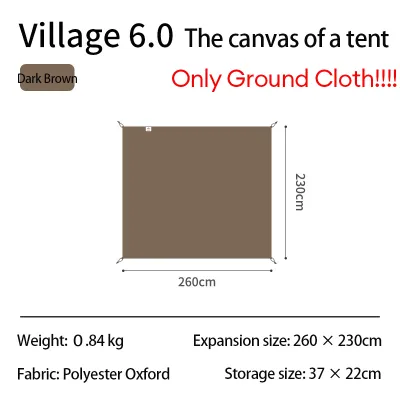
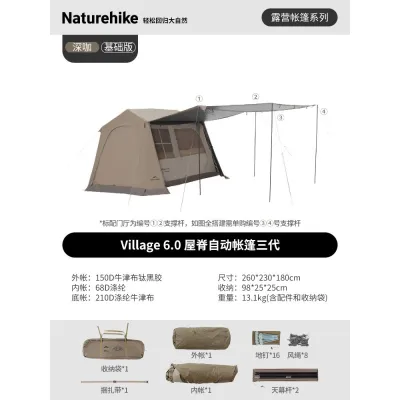
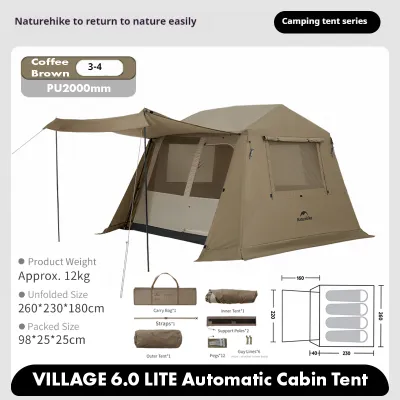
Prices are valid at publication and may change. Please refer to the product page for the latest price.
Before making a decision, always check the tent’s actual floor dimensions on the manufacturer’s specification sheet. Compare these measurements directly against the width and length of your family’s sleeping pads, folding cots, or air mattresses. Remember to account for the sloping walls of some tent designs, which can reduce the usable floor area near the edges of the tent.
Assessing Interior Layout and Livability
The overall comfort of a family camping trip depends heavily on the tent’s interior height and wall angles. Cabin-style tents, such as the Village 6, are designed with near-vertical walls that maximize overhead space compared to traditional dome tents. This structural design allows average-height adults to stand completely upright, making daily activities like changing clothes, organizing gear, or waiting out an afternoon rain shower much less strenuous on your back.

Privacy and ease of movement are also critical when sharing a shelter with multiple family members. Look for models that feature built-in room dividers or multiple entry doors. Having at least two doors ensures that if someone needs to use the restroom in the middle of the night, they can exit quietly without crawling over other sleeping campers or waking up the entire tent.
In tropical climates, ventilation is the single most important factor for a comfortable night’s sleep. Without adequate airflow, a family tent can quickly trap body heat and humidity, turning the interior into a stuffy, uncomfortable environment. Verify that the tent features large mesh windows, a mesh ceiling, and adjustable ground vents that encourage cross-ventilation, allowing cool air to enter from the bottom and warm air to escape through the top.
Gear Storage and Organization for Family Trips
Keeping the sleeping area clean and organized is a major challenge during family camping trips, especially when kids are involved. A tent with a dedicated vestibule—an outer awning or covered entryway created by the rainfly—is invaluable for storing dirty hiking shoes, wet slippers, and bulky backpacks outside the main sleeping compartment. This keeps mud and moisture out of your sleeping space while keeping your gear protected from overnight dew or sudden rain.
Inside the tent, look for integrated organization features that help keep small essentials within reach. Gear lofts, wall pockets, and dedicated lantern hooks are essential for keeping items like flashlights, insect repellent, car keys, and smartphones off the floor where they could easily be stepped on or lost in the dark.
For larger family items like coolers, heavy plastic storage bins, and folding camp chairs, it is best to plan to store them outside the tent entirely. Setting up a separate canopy or utility tarp next to your tent creates a designated outdoor living and cooking area, preserving the tent’s interior strictly for sleeping, changing, and relaxing.
Practicality Checks for Philippine Camping Conditions
When camping in the Philippines, your gear must be able to withstand sudden tropical downpours and high humidity. Before purchasing, check the manufacturer’s specifications for the hydrostatic head rating of both the rainfly and the tent floor. A rating of 1500mm to 2000mm is generally considered the baseline for reliable water resistance in moderate rain, while higher ratings offer extra peace of mind during heavy monsoon downpours.
The structural stability of the tent is another critical factor, particularly when camping in exposed coastal areas or elevated campsites. Verify the material of the tent poles; aluminum or steel poles generally offer superior strength and wind resistance compared to budget fiberglass poles. Additionally, ensure the tent includes robust guy-line attachment points and heavy-duty stakes to anchor the structure securely against sudden gusts of wind.
Finally, consider the ease and speed of the setup mechanism. An instant or pre-attached pole system can be a lifesaver when a sudden afternoon thunderstorm rolls in just as you arrive at your campsite. Being able to pitch the tent and secure the rainfly in under ten minutes allows you to keep your family and your gear dry, turning what could have been a stressful situation into a manageable one.
Decision Checklist: Is the Village 6 Right for Your Next Trip?
To decide if this tent fits your camping style, weigh the trade-offs between maximum interior space and overall portability. While a large cabin tent offers unmatched comfort once set up, it is also heavier and bulkier when packed. Compare the tent’s packed dimensions and weight against your vehicle’s cargo capacity to ensure you have enough room alongside your cooler, stove, and personal luggage.
If you frequently camp at walk-in sites where you must carry your gear a significant distance from your vehicle, a heavy cabin tent may require multiple tiring trips. However, if you primarily enjoy car camping where you can park directly next to your campsite, the extra comfort of a spacious cabin tent is well worth the weight. Always consult the manufacturer’s official product specifications and warranty terms to ensure the tent meets your long-term outdoor needs.
Frequently Asked Questions (FAQ)
Can a 6-person tent comfortably fit two queen-sized air mattresses?
In most cases, fitting two standard queen-sized air mattresses into a 6-person tent is extremely tight and often impractical. A standard queen mattress measures approximately 152 cm wide by 203 cm long, meaning two of them side-by-side require at least 304 cm of floor width. Because many 6-person tents have floor widths of 300 cm or less, the mattresses will press hard against the tent walls, blocking the doors entirely and leaving zero floor space for gear or walking. Always measure the exact interior floor plan of your tent before purchasing large inflatable beds.
How do I prevent condensation inside the tent during humid nights?
To minimize condensation in humid environments, maximize airflow by keeping all mesh windows and rainfly vents fully open, even during light rain. Ensure the rainfly is staked out tightly so it does not touch the inner tent body, which allows damp air to circulate and escape rather than condensing on the fabric. Avoid bringing wet clothes, towels, or shoes inside the sleeping area, and try to pitch your tent in an elevated spot that catches natural breezes.

Community discussion
Share your experience or ask a question. Comments are reviewed before publication.