
Determining whether a compact cardio machine fits into a limited living space requires looking beyond basic product photos. The Xiaomi Walking Pad R1 Pro is designed specifically for space-conscious users, featuring a unique folding mechanism that aims to minimize its footprint when not in use. However, whether this specific model is the right choice for your small condominium depends on a careful comparison of your unit’s physical layout, storage constraints, and building regulations.
Before making a purchase, you must evaluate both the active space required during a workout and the storage zone where the machine will rest when idle. High-rise living introduces unique logistical challenges, from narrow service elevators to strict noise policies enforced by property management. By systematically measuring your space and verifying the manufacturer’s official specifications, you can make an informed decision that preserves your living comfort.
Measuring Your Condo Space for a Walking Pad
To ensure a safe and comfortable home workout environment, you must first map out the physical boundaries of your condo. Start by identifying the exact area where you plan to place the machine during use. This active zone must accommodate not only the physical length and width of the equipment but also a generous safety clearance on all sides. Leaving open space on both sides and behind the belt is highly recommended to prevent accidental falls or wall scuffs.
Products mentioned in this guide
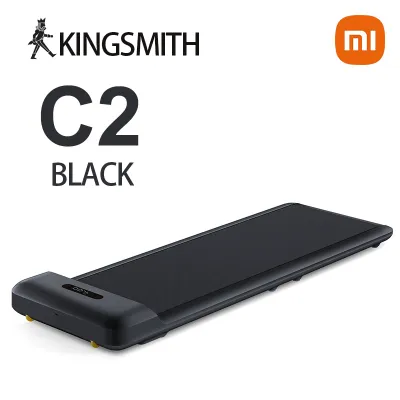
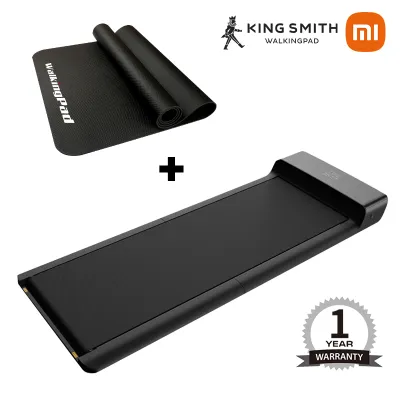
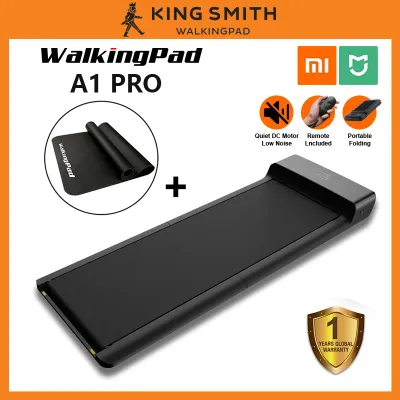
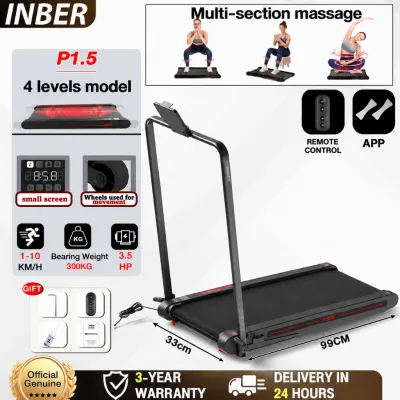
Prices are valid at publication and may change. Please refer to the product page for the latest price.
Next, trace the path the equipment must travel from your building’s entrance to your unit. Many condominium residents overlook the physical constraints of delivery day. Measure the height and width of your building’s elevator doors, the clearance inside the elevator cabin, and the angles of any tight hallway turns. If the boxed unit cannot clear these common areas, you may face significant delivery delays or return fees.
Finally, identify and measure your intended storage locations. If you plan to slide the unit under a sofa or bed, measure the vertical clearance from the floor to the lowest structural bar of the furniture. If you intend to store it vertically inside a utility closet or behind a door, measure the available depth and height. Keep in mind that baseboards, floor moldings, and door hinges can reduce your usable storage space by several centimeters.
Verifying Xiaomi Walking Pad R1 Pro Specifications
Once you have documented your condo’s measurements, you must cross-reference them with the official specifications of the Xiaomi Walking Pad R1 Pro. Avoid relying on third-party retail descriptions, which can sometimes contain rounded figures or translation errors. Instead, locate the official product manual or the manufacturer’s technical spec sheet to find the precise dimensions of the unit.

Pay close attention to the unfolded length, width, and the maximum height of the handrail. You must also verify the folded profile, specifically the thickness of the unit when folded completely in half. The manufacturer’s documentation will also indicate whether vertical storage is officially supported and if the built-in stand is designed to hold the weight of the unit securely without leaning hazards.
Additionally, take note of the total weight of the machine. Moving a heavy piece of fitness equipment daily can quickly become a chore if the unit is too heavy for a single person to lift. Confirming the weight allows you to assess whether you can comfortably maneuver the machine from its storage spot to your active workout zone without straining your back or damaging your flooring.
Active Footprint and Clearance Requirements
Evaluating the active footprint requires comparing the manufacturer’s unfolded dimensions directly against your measured workout zone. The Xiaomi Walking Pad R1 Pro features a raised handlebar that provides stability during faster paces, which means you must also account for vertical clearance. Ensure that the handlebar does not interfere with low-hanging light fixtures, ceiling fans, or wall-mounted television screens in your designated exercise area.
Your personal stride length is another critical factor to consider. Taller users with longer strides require a longer running belt to exercise safely without stepping off the front or rear of the machine. If your active zone is too cramped, you may find yourself constantly adjusting your position, which detracts from the quality of your workout and increases the risk of tripping.
Furthermore, ensure that the active zone does not block critical pathways within your condo. In a small unit, placing a walking pad in the middle of the living room can completely block access to the kitchen, bathroom, or balcony. Select a spot that allows other household members to move around safely while you are exercising, keeping the machine clear of main entryways and emergency exit routes.
Folded Profile and Storage Configurations
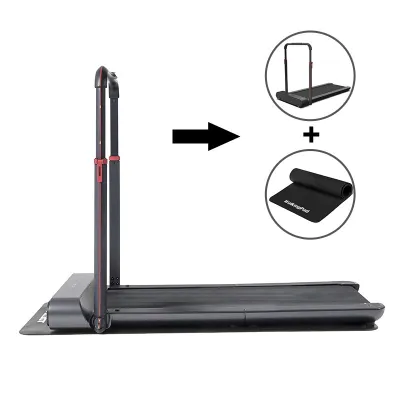
The primary appeal of this specific model is its ability to fold 180 degrees, significantly reducing its storage footprint. To determine if this feature works in your space, verify the exact folded thickness from the product documentation. This measurement is crucial if you plan to slide the unit horizontally under a low-profile bed frame or a modern sofa.
Check if the unit is equipped with transport wheels and assess their placement. Transport wheels make it much easier to roll the machine across hard floors, but they may not roll smoothly on thick carpets or textured rugs. If you plan to store the unit vertically, confirm whether the design includes a dedicated stand or if it relies on leaning against a wall, which requires a stable, non-slip surface to prevent tipping.
It is also important to verify whether the manufacturer permits storing the unit in humid environments. In tropical climates like the Philippines, storing electronic fitness equipment on open balconies or in damp laundry areas can lead to premature rust or electrical failure. Ensure your chosen storage spot is dry, well-ventilated, and shielded from direct sunlight to protect the internal motor and console.
Managing Condo Logistics and Building Constraints
Operating motorized fitness equipment in a high-rise building requires careful consideration of your neighbors and building policies. Many condominium corporations have strict rules regarding noise levels and the use of heavy machinery. Review your building’s tenant handbook or consult the property management office to ensure you do not violate any guidelines regarding home gym equipment.
Even if your building has no explicit bans, vibration transfer through concrete floors can easily disturb neighbors living directly below you. Motorized walking pads generate both mechanical noise and impact vibrations from your footsteps. To mitigate this, plan to place a high-density, shock-absorbing equipment mat underneath the machine. This mat not only dampens sound but also protects your condo’s flooring from scratches and scuffs.
Electrical setup is another vital logistical detail. Motorized walking pads require a stable power source and should be plugged directly into a grounded wall outlet. Avoid using thin extension cords or multi-plug adapters, as these can overheat and pose a serious fire hazard in a confined space. Ensure your active workout zone is close enough to a wall outlet so that the power cable does not stretch across high-traffic walkways.
Evaluating Alternative Compact Fitness Equipment
If your measurements reveal that the Xiaomi Walking Pad R1 Pro is too large or heavy for your unit, you should explore alternative space-saving fitness tools. Traditional foldable treadmills often offer more robust running decks but typically have a much larger folded footprint and do not fold completely in half, making them less suitable for extremely tight spaces.
For ultra-compact layouts, non-motorized cardio equipment might be a more practical choice. Resistance bands, compact stepper machines, or foldable magnetic exercise bikes often require a fraction of the floor space and can be easily tucked away in a small closet. These alternatives also eliminate the risk of motor noise and vibration transfer, making them highly neighbor-friendly options for high-rise living.
Ultimately, your choice should align with both your fitness goals and the physical realities of your home. If walking or light jogging is your primary exercise preference, finding a way to safely accommodate a compact walking pad is worth the effort. However, if space is exceptionally limited, prioritizing multi-functional, low-profile fitness gear will help you maintain an active lifestyle without compromising your daily living comfort.
Frequently Asked Questions (FAQ)
Can I store the walking pad under a standard condo bed?
To determine if the walking pad will fit under your bed, you must measure the exact vertical clearance from the floor to the lowest point of the bed frame. Do not rely on general estimations, as bed frames vary widely in height. Compare your physical measurement with the manufacturer’s stated folded thickness of the device. Additionally, remember to account for any obstacles such as bed skirts, center support legs, under-bed storage drawers, or thick floor moldings that could block the path of the machine as you slide it under.
Will the motor noise disturb neighbors in a high-rise unit?
Motorized walking pads do produce a hum from the motor and a rhythmic thudding sound from your footsteps, which can transfer through hard condo floors to the unit below. To minimize this disturbance, check the manufacturer’s decibel ratings to understand the noise level of the motor. It is highly recommended to place a thick, high-density rubber equipment mat under the walking pad to absorb vibrations. Additionally, consider scheduling your workouts during daytime hours and avoiding high-speed running during early mornings or late nights when ambient building noise is low.

Community discussion
Share your experience or ask a question. Comments are reviewed before publication.