
Setting up a home gym in a compact condominium requires careful spatial planning, especially when integrating motorized cardio equipment. The Xiaomi Walking Pad R2 is widely recognized for its double-fold technology, making it a compelling candidate for tight living spaces. However, determining if this specific model fits your condo involves more than just checking if you have an empty corner. You must evaluate your active workout zone, storage clearance, and safety buffers to ensure a seamless fit.
To make an informed decision, you need to measure your available floor area against the manufacturer’s official dimensions and assess your daily living patterns. While the unit’s folding design dramatically reduces its footprint when idle, its operational requirements demand dedicated clearance to prevent accidents and equipment strain. By systematically analyzing your space, you can determine if this walking pad aligns with your home layout and fitness goals.
Quick Space Assessment for the Xiaomi Walking Pad R2
Before unboxing any fitness equipment in a high-rise residence, conducting a preliminary spatial audit is essential. The space required to operate a walking pad is significantly larger than the physical dimensions of the machine itself. You must account for two distinct states: the active workout footprint and the folded storage profile.
Products mentioned in this guide
![Xiaomi Kingsmith Walkingpad R2 Foldable Treadmill [ International Edition Exclusive Distribution Brushless Motor CE Certified Running Walking 1.25hp 12km/h Low Noise 110kg Load Capacity LED Display APP Control Remote Control Home Gym ]](https://img.lazcdn.com/g/p/a6ceb707a445e9ca0f3cd948962e282c.jpg_400x400q80.jpg_.webp)
![Xiaomi Kingsmith Walkingpad R2 Treadmill Foldable [ International Edition Exclusive Distribution Brushless Motor CE Certified Running Walking 1.25hp 12km/h Low Noise 110kg Load Capacity LED Display APP Control Remote Control Home Gym ]](https://img.lazcdn.com/g/p/137b9fa8fb7afa5055b1799fb50dc985.jpg_400x400q80.jpg_.webp)
Prices are valid at publication and may change. Please refer to the product page for the latest price.
Begin by identifying the exact zone where you plan to exercise. Use a physical measuring tape to map out the floor area, then cross-reference these measurements directly with the official Xiaomi R2 specification sheet. Relying on visual estimates often leads to layout conflicts, especially in studio or one-bedroom units where every square meter counts.
Do not overlook the path the equipment must take to reach its final destination. Measure the width of your condo’s entryways, narrow hallways, and tight corners to ensure you can easily transport the box during delivery. If your building has a small passenger elevator, verify that the packaged dimensions can clear the elevator doors and cabin space without requiring awkward tilting.
Evaluating the Footprint and Folded Dimensions
Understanding the relationship between the active running surface and the total base footprint is key to maximizing your condo’s utility. The running belt provides the space needed for your stride, but the frame, motor housing, and side rails extend beyond this zone. When fully unfolded, the machine occupies a continuous stretch of floor that must remain completely flat and unobstructed.

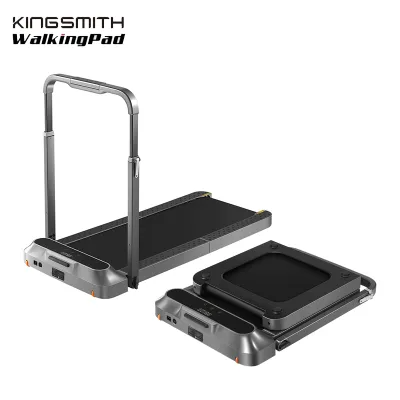
The defining feature of this model is its 180-degree folding mechanism, which folds the deck back onto itself. This action halves the horizontal length of the device, transforming a long floor-bound machine into a compact, block-like profile. This structural change allows you to reclaim valuable floor space during non-workout hours, turning a dedicated exercise zone back into a living room or home office.
However, folding the unit requires handling its physical weight and structural bulk. Before committing to this model, check the manufacturer’s weight specifications to ensure you can comfortably lift and maneuver the folded frame. While transport wheels on the base assist with rolling the unit across smooth surfaces, lifting it over door thresholds or thick rugs requires sufficient physical strength and proper lifting posture.
Planning for Clearance, Safety, and Operational Space
Operating a motorized treadmill or walking pad in a confined space introduces safety risks if clearance zones are ignored. For safe mounting, dismounting, and emergency stops, you must maintain an open buffer zone around the machine. The area directly behind the walking pad is the most critical; if you lose your footing, you need sufficient unobstructed space to exit the belt safely without colliding with a wall or furniture.
Side clearance is equally important to prevent your limbs or clothing from brushing against nearby obstacles. Ensure there is a clear path on at least one side of the machine to allow for easy access. If your condo layout forces you to place the unit near a wall, keep the opposite side completely open to serve as a primary safety exit.
Ceiling height is another crucial factor, particularly for taller users or when the adjustable handlebar is fully extended. When standing on the running deck, your head is elevated several inches above your actual height. Measure your ceiling height and compare it to your height plus the deck’s step-up height to ensure ample clearance, preventing any risk of head injury during vigorous exercise.
In the tropical climate of the Philippines, indoor ventilation plays a vital role in equipment longevity and user comfort. Small, enclosed condo rooms can trap heat rapidly, especially when a motorized appliance is running continuously. Ensure your workout zone has adequate airflow from an air conditioning unit, ceiling fan, or open window to help dissipate motor heat and keep your body temperature regulated.
Condo Positioning Strategies and Storage Solutions
Integrating a walking pad into a multi-purpose condo room requires strategic placement to maintain a natural household flow. Position the unit on a completely level floor surface; uneven tiles or warped wooden planks can cause the frame to flex, leading to belt misalignment or premature motor wear. Avoid placing the machine in high-traffic pathways where family members or guests might trip over the frame or power cord.
Proximity to a dedicated wall outlet is essential for safe operation. Avoid running the power cord across walkways where it can be damaged or cause a tripping hazard. If you must position the unit away from a wall, consider using a heavy-duty cord protector that lies flat against the floor to secure the cable.
Protecting your condo’s flooring is a priority, especially if you rent or have delicate laminate, vinyl, or hardwood finishes. Placing a specialized, high-density equipment mat (often costing a few thousand ₱) beneath the walking pad prevents scratches, indentations, and scuff marks. Additionally, a quality mat helps absorb vibrations, which significantly reduces the structural noise transmitted through the concrete floor to the neighbors living directly below you.
When it comes to storage, the folded profile of the walking pad opens up several creative possibilities. If your bed frame or sofa has sufficient ground clearance, you can slide the folded unit underneath to keep it completely out of sight. Always measure the vertical clearance of your furniture before purchasing to confirm the folded machine can slide underneath without scraping the upholstery or the underside of the frame.
Common Space Planning Mistakes to Avoid
One of the most frequent errors condo owners make is placing the walking pad too close to walls, glass balcony doors, or heavy furniture. This tight positioning restricts your natural movement and makes it incredibly difficult to access the folding latch or lift the handlebar. Always leave a reasonable margin of space around the entire perimeter of the machine to facilitate easy setup and storage transitions.
Another common mistake is ignoring minor floor slopes or uneven tiling. Even a slight incline can place uneven stress on the motor and drive belt, causing the belt to slip or wear out prematurely. Use a spirit level to check your floor before positioning the machine, and utilize any adjustable leveling feet provided on the unit to stabilize the frame.
Lastly, never rely on light-duty household extension cords to power your walking pad. Motorized fitness equipment draws a significant amount of electrical current, and using inadequate extension cords can lead to overheating, voltage drops, or electrical hazards. Always plug the unit directly into a grounded wall outlet, or use a manufacturer-approved, heavy-duty surge protector designed for high-wattage appliances.
Frequently Asked Questions (FAQ)
Can I store the walking pad upright against a wall?
Before attempting to store your walking pad vertically, you must consult the official user manual to verify if your specific model version supports upright storage. Some configurations feature built-in standing feet and safety locks designed to secure the unit against a wall, while others are strictly designed for flat storage. Storing an unsupported unit vertically poses a severe tipping hazard, which can cause personal injury or damage to your condo walls. Always ensure the safety locks are fully engaged and the unit is placed on a stable, non-slip surface if vertical storage is permitted.
Will the walking pad noise bother my condo neighbors?
In multi-story condominium buildings, noise and structural vibrations can easily travel through concrete floors and shared walls. While the motor hum of a walking pad is generally moderate, the impact of your footsteps during a workout creates low-frequency vibrations that your downstairs neighbors may hear. To minimize this disturbance, check the manufacturer’s noise ratings and always place a thick, shock-absorbing fitness mat under the machine. Exercising during reasonable daytime hours and maintaining the belt’s lubrication according to the manual will also help keep operational noise to a minimum.

Community discussion
Share your experience or ask a question. Comments are reviewed before publication.