
Riding an electric scooter during the wet season in the Philippines requires careful preparation, strict adherence to manufacturer limits, and defensive riding habits. While electric scooters offer a convenient way to navigate urban traffic, water exposure poses serious risks to their electrical and mechanical components. Sudden afternoon downpours can quickly turn dry streets into slick, challenging paths, making it essential to understand how your vehicle handles wet conditions.
Assessing your scooter’s water resistance, adjusting your riding style on slippery streets, and performing diligent post-ride maintenance are essential steps to keep your ride safe and functional. By taking proactive measures, you can protect your investment and ensure your daily commute remains safe even when the weather takes an unexpected turn.
Verifying the Yadea Epoc's Water Resistance Specifications
Before taking your electric scooter out into a sudden downpour, you must locate and verify its official Ingress Protection (IP) rating. This rating is typically printed in the user manual, on the product specification sheet, or on a label affixed to the frame. Manufacturers use these standardized codes to define exactly how much dust and moisture a device can tolerate before suffering damage.
Products mentioned in this guide
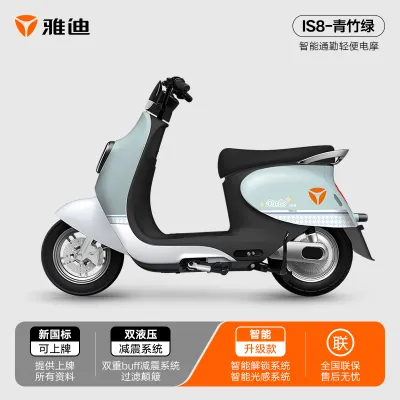
Prices are valid at publication and may change. Please refer to the product page for the latest price.
An IP rating consists of two digits, where the second digit specifically indicates the level of protection against liquid intrusion. For instance, a liquid protection rating of four signifies protection against splashing water from any direction, while a rating of five indicates resistance to low-pressure water jets. Knowing the exact rating of your specific unit helps you establish clear boundaries for wet-weather operation.
Never assume that splash resistance means the scooter can handle submersion or heavy, prolonged exposure. Even if a scooter is rated to withstand light rain, riding through deep puddles or exposing it to high-pressure water streams during cleaning can easily bypass the protective seals. Laboratory tests are conducted with clean water, whereas real-world road water contains dirt, salt, and oils that can degrade seals much faster.
Before every wet-weather ride, perform a physical inspection of the critical sealing points on your vehicle. Check that the rubber cover on the charging port is pressed firmly in place and free of debris. Inspect the battery compartment seams for gaps, and ensure the motor housing seals show no signs of cracking, dry rot, or wear that could allow moisture to seep inside.
Safe Riding Practices for Wet Roads and Heavy Rain
Wet asphalt, painted road markings, and metal manhole covers become exceptionally slick during a tropical downpour. To maintain control, you must reduce your speed significantly and double your normal braking distance to compensate for the reduced tire traction. Giving yourself extra space ensures you have ample time to react to sudden stops without skidding.

Avoid sudden acceleration or sharp turns on wet surfaces, as these actions can cause the tires to lose grip and slide. Apply both brakes smoothly and progressively, favoring the rear brake slightly to prevent front-wheel washouts. If you feel the scooter begin to slip, release the throttle immediately and steer straight until you regain traction.
Establish a strict water wading limit based on the physical design of your scooter. As a general rule, never ride through water that rises above the bottom of the deck or reaches the center of the wheel hub. Submerging the motor, battery compartment, or controller can lead to immediate electrical short circuits and permanent component failure.
Low visibility is a major hazard during heavy rain in urban areas. Ensure your front headlight and rear brake lights are fully operational before setting off, and wear high-visibility or reflective gear to remain visible to larger vehicles. Keep a safe distance from jeepneys and buses, which can kick up large sprays of water that temporarily blind you.
Recognize when weather conditions exceed safe limits. If you encounter torrential downpours, strong winds, or rising floodwaters that obscure the road surface, immediately stop riding, power down the scooter, and seek dry shelter. Potholes and debris can easily hide beneath standing water, presenting severe hazards that equipment alone cannot overcome.
Post-Ride Drying and Maintenance Protocols
After riding in the rain, your immediate priority is to dry the scooter thoroughly before attempting to charge or store it. Never plug the charger into the port while there is any trace of moisture present, as this can cause a short circuit, spark, or permanent damage to the charging system. Always perform a visual check of the port with a flashlight first.
Use a clean, dry microfiber towel to wipe down the entire frame, paying close attention to the area surrounding the charging port, the power button, and the folding mechanism. Leave the charging port cover open in a dry, indoor environment to allow any trapped moisture to evaporate completely. Avoid using compressed air, as it can accidentally force water droplets past the rubber seals.
Wet roads often splash mud, sand, and road grime onto the scooter’s mechanical parts. Gently wipe away debris from the brake calipers, disc rotors, and fenders to prevent mechanical binding or premature brake pad wear. Clean brake rotors with isopropyl alcohol to remove oily road residue and maintain optimal stopping power.
Store your electric scooter in a dry, well-ventilated indoor space rather than leaving it on a damp balcony or in a humid garage. Good airflow helps dissipate any internal condensation that may have formed during temperature changes. If possible, elevate the deck slightly off the ground to prevent moisture from pooling underneath the battery compartment.
Monitor the scooter closely for any unusual behavior after a wet ride. If you notice error codes on the display, flickering lights, unusual smells, or warm spots on the deck, keep the unit powered off and disconnect it from any power source. Contact an authorized service center for a professional inspection before attempting to ride or charge the vehicle again.
Long-Term Durability and Rust Prevention in Tropical Climates
The high humidity and frequent rainfall characteristic of the tropical climate in the Philippines accelerate the natural oxidation process of metal components. Regularly inspect the folding hinge, steering column bolts, and exposed brake cables for early signs of rust or corrosion. Addressing minor surface rust early prevents structural degradation over time.
Over time, the rubber gaskets and seals that protect the battery and controller will naturally degrade due to heat and moisture exposure. Inspect these seals periodically for signs of cracking, shrinking, or misalignment. Replacing worn gaskets promptly is a cost-effective way to maintain the water-resistant integrity of your scooter.
Apply a light coat of specialized, moisture-displacing lubricant to moving joints, pivot points, and folding mechanisms according to the manufacturer’s recommended maintenance schedule. Be extremely careful to avoid getting any lubricant on the brake pads or rotors, as this will severely compromise your braking efficiency and safety.
Keeping a detailed log of your maintenance checks helps you spot wear patterns before they lead to mechanical failure. Tightening loose screws, checking tire pressure, and verifying seal integrity should be part of your weekly routine during the rainy season. Consistent care ensures your electric scooter remains a reliable and safe mode of transportation year-round.
Frequently Asked Questions (FAQ)
Can I ride the Yadea Epoc through flooded streets?
No, you should never ride through flooded streets. Deep water can easily submerge the hub motor, battery compartment, and electronic controller, leading to immediate electrical short circuits, permanent component damage, or safety hazards. Stick to shallow, visible paths and avoid any standing water that approaches the height of the scooter’s deck.
What should I do if the scooter gets completely soaked in a sudden storm?
If your scooter is caught in a severe storm and becomes heavily saturated, turn off the power immediately and do not attempt to turn it back on. Move the vehicle to a dry, covered area, wipe it down completely with dry towels, and let it air dry for at least 24 to 48 hours. If you suspect water has penetrated the deck, consult an authorized technician before powering it up.
Does the standard warranty cover water damage?
Generally, standard manufacturer warranties for electric scooters do not cover water or liquid damage, even if the device has an IP rating. It is crucial to review the specific terms on your local warranty card and consult your authorized dealer in the Philippines to understand what environmental damages are excluded from coverage.

Community discussion
Share your experience or ask a question. Comments are reviewed before publication.