
Most manufacturers design basic electric scooters for children starting around age 8, while specialized low-speed, three-wheeled models may accommodate children as young as 5 or 6. However, age is only a starting point. Determining when your child is truly ready for an electric scooter requires looking beyond the number on the box to evaluate their physical coordination, cognitive maturity, and the specific environments where they will ride.
In tropical settings like the Philippines, outdoor play often takes place in neighborhood subdivisions, local parks, or shared paved driveways. These environments present unique challenges, such as high humidity, sudden tropical rain showers that make concrete slick, and active community spaces shared with pedestrians and vehicles. Deciding when to introduce an electric scooter involves a careful assessment of how well your child can navigate these real-world conditions while maintaining complete control of a motorized device.
How to Check Manufacturer Age and Weight Limits
Before purchasing a kids electric scooter, parents must verify the specific safety and operational thresholds established by the manufacturer. These specifications are typically printed on the packaging, detailed in the user manual, or embossed on a label on the underside of the deck. These limits are engineered boundaries designed to ensure the vehicle operates safely under specific physical loads.
Products mentioned in this guide
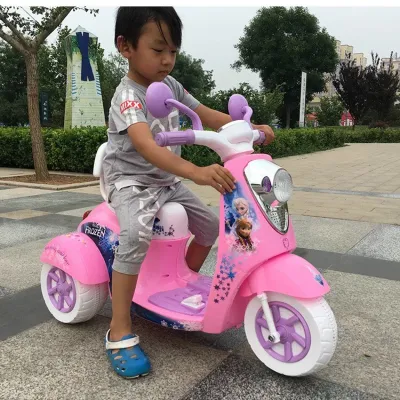
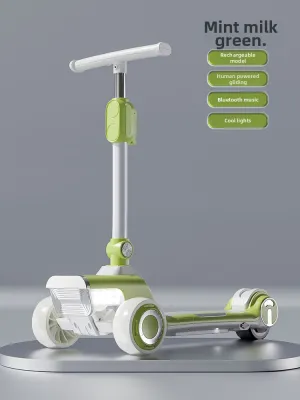
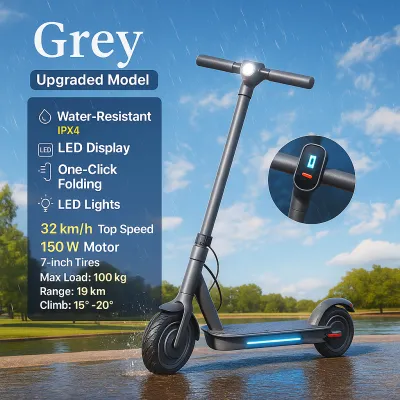
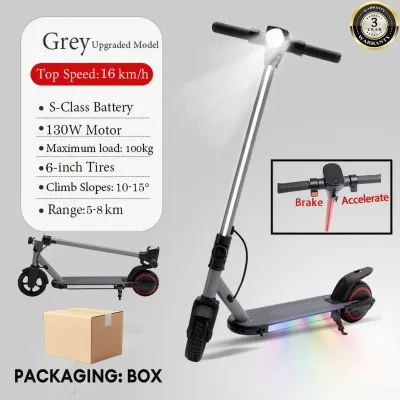
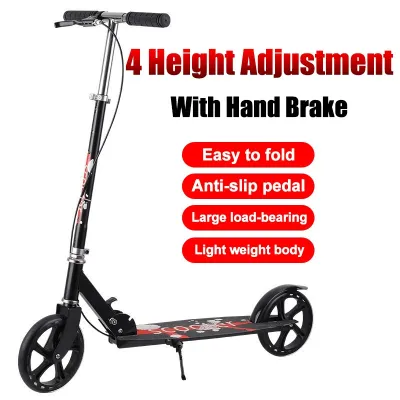

Prices are valid at publication and may change. Please refer to the product page for the latest price.
Exceeding these limits compromises the scooter’s mechanical performance and structural integrity. When a rider exceeds the maximum weight limit, the motor and battery experience excessive strain, which can lead to overheating and premature component failure. More critically, overloading reduces braking efficiency, extending the distance required to stop. Conversely, if a child is far below the minimum weight or height threshold, they may lack the physical leverage required to engage hand brakes or press down on a rear fender brake effectively.
Beyond physical specifications, parents must research local community guidelines regarding motorized toys. In many residential subdivisions, homeowners’ associations establish specific rules governing where personal mobility devices can be operated. Some local government units or barangays restrict motorized scooters from public roads, busy sidewalks, or specific park areas. Verifying these rules beforehand ensures your child has a legal, safe space to ride without causing disruptions or facing safety hazards.
Physical and Cognitive Readiness Signs to Observe
Physical readiness is the first major indicator that a child is prepared to transition to an electric model. Parents should observe how well their child maintains balance and handles steering on non-motorized toys. A child who can confidently ride a two-wheeled bicycle or steer a manual kick scooter without overcorrecting or wobbling demonstrates the core motor skills required for a motorized upgrade. If a child still struggles with basic balance, introducing a motor will only amplify those stability challenges.

Cognitive readiness is equally critical and harder to measure than physical skill. A child must possess the spatial awareness and reaction time necessary to identify and avoid hazards in real time. Observe how your child reacts when a pet crosses their path, when a car backs out of a driveway, or when they approach an intersection. A ready child will instinctively slow down, look both ways, and apply the brakes smoothly rather than panicking. They must understand that a motorized scooter does not stop instantly.
Finally, evaluate your child’s ability to maintain focus and resist distractions while in motion. Neighborhood streets and parks are filled with distractions, from other children playing to sudden noises. A child who frequently looks backward while riding, attempts tricks prematurely, or ignores safety instructions is not yet mature enough for an electric scooter. Safe riding demands continuous attention to the path ahead, an understanding of basic safety rules, and the discipline to keep both hands on the handlebars.
Matching Scooter Types to Age and Skill Levels
Selecting the right type of electric scooter involves matching the vehicle’s design to your child’s developmental stage. For younger beginners, typically between the ages of 5 and 7, three-wheel electric scooters or low-speed sit-down models offer an ideal entry point. The three-wheel configuration provides stability, preventing the scooter from tipping over when at a standstill and allowing the child to focus on steering and throttle control. These entry-level models generally feature low-wattage motors that cap speeds at a gentle walking pace to build confidence safely.
For older children, typically age 8 and above, who have demonstrated strong balance, standard two-wheel stand-up electric scooters become appropriate. These models require active balancing skills similar to riding a bicycle and often feature pneumatic or solid rubber tires designed to absorb minor bumps. When transitioning to a two-wheel model, look for options with adjustable speed limits or parental speed-lock settings. This allows parents to restrict the scooter to a lower speed setting while the child is learning, gradually unlocking higher speeds as proficiency improves.
Regardless of the scooter type, parents must verify that the physical dimensions of the vehicle match the child’s body size. Handlebars should adjust to sit comfortably between the child’s waist and chest level; handlebars that are too high restrict steering leverage, while those that are too low compromise balance. Additionally, inspect the braking systems. While some scooters rely solely on a rear foot-fender brake, models with hand-operated drum or disc brakes offer more responsive stopping power, provided the child’s hands can squeeze the levers fully.
Essential Safety Gear and Riding Boundaries
Safety gear is a non-negotiable requirement for every ride, regardless of the child’s experience level. A properly fitted helmet is the most critical piece of protective equipment. Parents should measure the circumference of their child’s head and select a helmet that matches those exact dimensions, rather than relying on general age-based sizing. The helmet should sit level on the head, covering the forehead, with the chin strap adjusted snugly. Complement the helmet with knee and elbow pads that fit securely without slipping during movement.
Establishing clear riding boundaries is just as important as wearing protective gear. Parents must define strict geographical limits, confining scooter use to flat, dry, paved surfaces like private driveways, closed courtyards, or designated park paths. Public roads, steep hills, gravel paths, and wet grass should be strictly off-limits. In tropical climates, sudden downpours can quickly turn dry concrete into a slick hazard, and standing water can damage electrical components. Instruct your child that riding must stop immediately if it begins to rain.
Active adult supervision is essential, especially during the initial learning phase and in shared spaces. Parents should establish clear household rules, including immediate stop conditions if the child shows signs of fatigue, frustration, or reckless behavior. Riding when tired increases the likelihood of lapses in concentration and slow reaction times, which can lead to avoidable falls. By maintaining consistent supervision and enforcing clear environmental boundaries, parents can help ensure that electric scooter riding remains a safe, rewarding outdoor activity.
Frequently Asked Questions (FAQ)
Can a child ride an electric scooter if they are tall but under the recommended age?
No, parents should strictly adhere to the manufacturer’s recommended age minimums, even if a child is physically tall or heavy enough for the scooter. Manufacturer age ratings are not based solely on physical size; they primarily reflect the cognitive development, risk assessment capabilities, and reaction-time maturity required to operate a motorized vehicle safely. A taller child may physically fit the frame of an older kid’s scooter, but they may still lack the impulse control, spatial awareness, and split-second decision-making skills needed to manage higher speeds and sudden obstacles. Following the age guidelines ensures that the child’s cognitive maturity matches the performance capabilities of the scooter.
How fast should a kids electric scooter go?
For younger beginners and children under the age of 8, an electric scooter should have a top speed capped between 5 and 8 km/h, which is roughly equivalent to a brisk walking pace. This low speed allows young riders to master steering and braking without the risk of high-speed impacts. For older children aged 8 to 12 with established riding skills, a top speed of 12 to 16 km/h is generally appropriate, provided they are riding in a controlled, flat environment. Parents should look for scooters equipped with parental speed-lock features, which allow you to limit the maximum speed to a lower threshold until your child demonstrates consistent control.

Community discussion
Share your experience or ask a question. Comments are reviewed before publication.