
Is a JKEXER Treadmill the Right Choice for Your Home Gym?
A JKEXER treadmill can be a practical entry-point or mid-tier option for your home gym, provided your fitness goals align with light-to-moderate cardio. For beginners, casual joggers, and those looking to maintain daily activity indoors, these machines offer a balanced combination of essential features and space-saving designs. They are particularly well-suited for individuals who want a straightforward workout without paying a premium for commercial-grade extras.
The typical target user is someone seeking a reliable, uncomplicated machine for walking, light jogging, or low-impact cardio. If you are setting up a home workout space in a condominium or a suburban house where floor space is limited, the folding designs common in their lineup are highly advantageous. These models allow you to reclaim your living space when the machine is not in use.
These treadmills generally excel in scenarios where budget-conscious buyers want functional, uncomplicated equipment. If your primary goal is to escape the tropical heat or sudden downpours in the Philippines by walking or jogging indoors, a standard model provides the necessary utility. It delivers a consistent indoor workout environment without the high cost associated with premium, club-level alternatives.
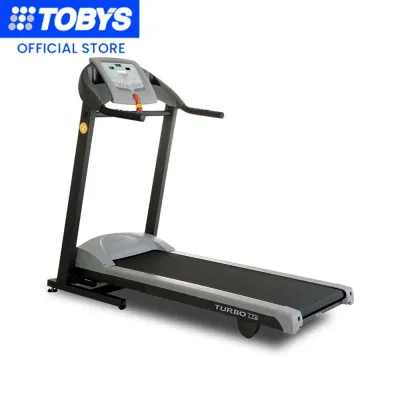
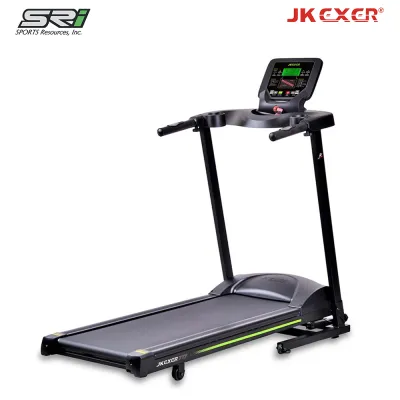
Products mentioned in this guide
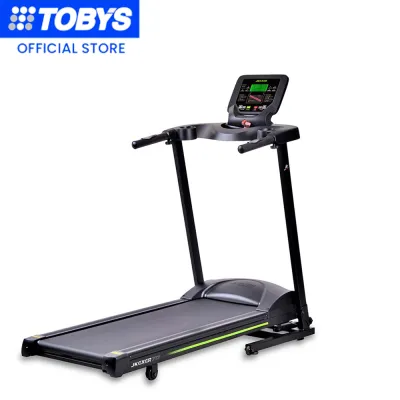
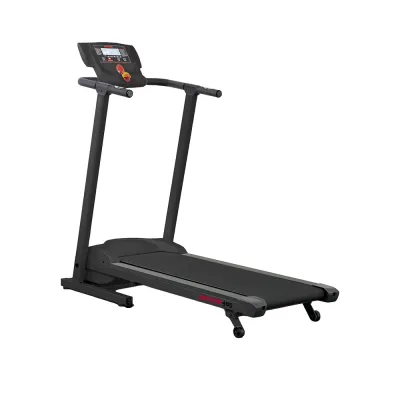
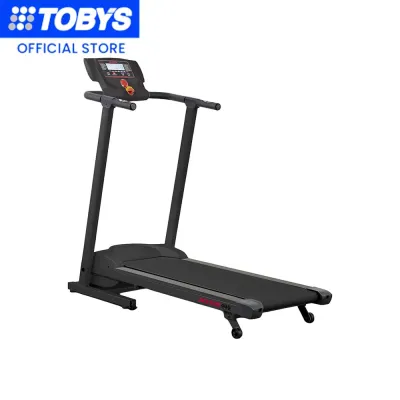
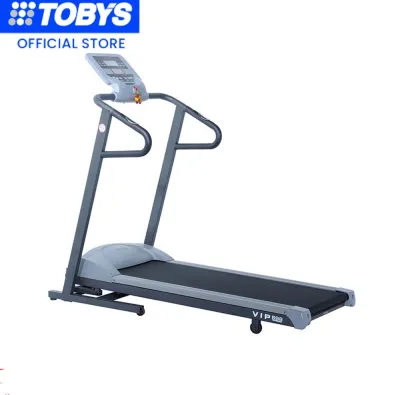
Prices are valid at publication and may change. Please refer to the product page for the latest price.
Conversely, if your training regimen involves high-intensity marathon preparation or heavy daily use by multiple family members, you may need to look at competing premium brands. Advanced runners typically require larger motors, wider running decks, and specialized high-impact shock absorption systems. These heavy-duty features are necessary to withstand the intense mechanical stress of daily high-speed running.
Key Features to Compare: JKEXER vs. Other Treadmill Brands
When shopping for fitness equipment, relying solely on promotional brochures can lead to mismatched expectations. Comparing raw, verifiable specifications is the most reliable way to evaluate how a JKEXER treadmill stands up against other brands in the local market. By focusing on objective metrics such as motor horsepower, deck dimensions, and warranty terms, you can make an informed decision that suits both your physical needs and your home environment.

Motor Performance and Weight Capacity
The motor is the heart of any treadmill, and understanding its rating is crucial for long-term durability. Always check the Continuous Horsepower (CHP) rating rather than the Peak Horsepower. While Peak Horsepower indicates the maximum power a motor can reach for a brief moment, CHP represents the sustained power the motor can deliver during a continuous workout. A motor with a low CHP will struggle and overheat if used for long, high-speed runs.
In the warm, humid climate of the Philippines, motors are highly susceptible to overheating if pushed beyond their limits. A treadmill with a lower CHP working under a heavy load in a room without air conditioning will degrade much faster. Look for models that explicitly mention built-in motor cooling systems or thermal protection features in their technical manuals to ensure longevity.
Next, verify the maximum user weight capacity by checking the manufacturer’s official specification label, which is usually located near the power switch or in the user manual. Never rely on verbal assurances from retail staff. To ensure the motor and belt do not strain, it is wise to choose a machine with a weight limit that exceeds your actual weight by a comfortable margin.
Noise levels are another critical factor, especially if you live in a shared household or an apartment complex. If possible, perform a physical inspection in a local showroom to listen to the motor at various speed levels. A high-quality motor should produce a consistent, low-frequency hum rather than a high-pitched whine or grinding sound, indicating better build quality.
Running Surface, Cushioning, and Footprint
The physical size of the running belt directly affects your safety and comfort during a workout. Walkers and shorter users can comfortably use shorter, narrower belts, but taller runners with longer strides require a deck that is at least 140 centimeters long and 50 centimeters wide. Measuring your personal stride length beforehand will help you determine the minimum belt dimensions you need to avoid stepping off the deck.
Space constraints are a common reality for many households in urban areas. You must measure the exact floor space where you plan to place the treadmill, keeping in mind that safety guidelines require at least two meters of clear space behind the machine. Compare the folded and unfolded dimensions of JKEXER models against competing brands to see which folding mechanism fits your room layout best.
Impact absorption is vital for protecting your joints from the repetitive stress of running. Different brands use proprietary elastomer designs, springs, or deck materials to cushion each step. Review the manufacturer’s description of their cushioning system and, if feasible, test the deck’s flexibility in-store by walking on it to feel how much give it offers.
Console Technology and Connectivity
Modern treadmills offer a wide range of console options, from basic liquid crystal displays (LCDs) to high-definition touchscreens. Evaluate whether you truly need built-in workout programs and interactive coaching, or if you prefer a simple console that displays basic metrics like speed, time, distance, and heart rate. Simple consoles are often easier to navigate and less distracting during a workout.
If you enjoy using fitness apps to track your progress or participate in virtual runs, verify the treadmill’s Bluetooth compatibility. Some brands restrict connectivity to their own proprietary apps, which may require a paid monthly subscription, while others allow open pairing with popular third-party fitness platforms. Check the user manual or official product specifications to confirm device compatibility before making a purchase.
Keep in mind that highly complex touchscreens can be more vulnerable to software glitches and hardware failures over time, especially in humid environments. A simpler console paired with a dedicated tablet holder often provides a more reliable, long-term solution. This setup allows you to use your own smartphone or tablet for entertainment while keeping the treadmill’s core electronics straightforward.
How to Choose: Matching Treadmill Specs to Your Fitness Goals
- Choose JKEXER if:
- You are a beginner or casual walker/jogger: If your primary goal is to get moving, burn calories, or complete low-intensity steady-state cardio, these models often provide a highly practical, space-saving, and cost-effective entry point.
- You have limited floor space: Many models from this brand are designed with compact frames and easy-folding mechanisms, making them ideal for small apartments, condominiums, or shared rooms where the equipment must be stored away after use.
- You prefer straightforward functionality: If you do not want to deal with complicated subscription apps or complex touchscreens, the simpler consoles on these machines allow you to step on and start exercising immediately.
- Choose Competing Premium Brands if:
- You are an experienced runner: If you train regularly for long distances, perform high-intensity interval training (HIIT), or require speeds exceeding 16 kilometers per hour, you will benefit from the heavier frames and larger motors of premium brands.
- You require advanced incline and decline options: Runners looking to simulate outdoor terrain or engage in intense hill training will need the robust, motorized incline systems typically found on higher-end competitive models.
- The machine will face heavy daily mileage: Households with multiple active users who will run the machine for several hours a day require commercial-grade durability and larger CHP motors to prevent premature wear.
- Neither may fit if:
- Your space lacks safe clearance: If you cannot maintain at least two meters of clear, unobstructed space behind the treadmill belt, installing any motorized treadmill poses a severe safety hazard in the event of a fall.
- Your budget cannot cover a reliable motor: Attempting to buy an ultra-cheap, underpowered treadmill for running will likely result in motor failure within a few months, making a high-quality manual treadmill or an outdoor routine a safer alternative.
- Verify first if:
- You have pre-existing joint issues: If you are recovering from an injury or have chronic joint pain, you must consult a physical therapist or medical professional first to determine if a treadmill's cushioning system is safe for your specific rehabilitation needs.
Evaluating Price, Warranty, and After-Sales Support
When comparing treadmill brands in the Philippines, looking only at the initial price tag in ₱ can be a costly mistake. A cheaper machine with a short warranty period may end up costing more in repairs than a slightly more expensive model with comprehensive coverage. Compare the specific warranty terms for the motor, frame, electronic parts, and local labor to understand the true cost of ownership.
The availability of local service centers and authorized technicians is one of the most critical factors for heavy fitness equipment. Before purchasing, ask the distributor where their service centers are located in the Philippines and whether they stock genuine replacement parts. If a technician has to travel from a major city to your province, or if parts must be shipped internationally, your treadmill could be out of service for weeks.
Be highly cautious of purchasing heavy fitness equipment from unauthorized sellers on online marketplaces or ecommerce platforms. While these listings may offer lower initial prices, they often lack official manufacturer warranties, leaving you without recourse if the machine arrives damaged or fails during the first few months of use. Always purchase from authorized local distributors or official brand stores to ensure your warranty is fully supported.
Frequently Asked Questions (FAQ)
Are JKEXER treadmills suitable for running marathons or heavy daily training?
Most entry-level and mid-range treadmills, including many JKEXER models, are designed for residential duty cycles, which typically assume light to moderate daily use. Marathon training requires sustained, high-speed running that can quickly overheat a standard residential motor. If you plan to train for long distances, verify the manufacturer’s recommended maximum daily usage limits and ensure the motor has a high CHP rating and robust cooling systems.
How do I verify the actual weight capacity of a treadmill before buying?
To find the true weight capacity, locate the physical specification sticker on the treadmill frame or consult the official user manual provided by the manufacturer. Do not rely on marketing brochures or retail website descriptions, which can sometimes contain errors. It is highly recommended to add a 10% to 20% safety buffer to your actual weight to account for the increased downward force generated when your feet strike the deck during a run.
What should I check regarding delivery and assembly for heavy fitness equipment?
Before finalizing your purchase, confirm whether the price in ₱ includes professional delivery, in-home placement, and assembly services. Treadmills are exceptionally heavy and complex to assemble correctly, and improper setup can void your warranty or cause safety hazards. Additionally, measure all doorways, tight hallway corners, stairwells, and elevator dimensions in your home to ensure the delivery team can safely transport the boxed equipment to your designated workout area.

Community discussion
Share your experience or ask a question. Comments are reviewed before publication.