
Selecting the right basketball equipment for a young player is one of the most critical decisions a parent or coach can make. In the Philippines, where basketball is a year-round passion played on neighborhood outdoor courts and indoor gyms alike, children often start playing at a very young age. However, giving a child an adult-sized ball or letting them shoot on a standard rim too early can severely hinder their skill development and lead to physical strain.
To build a consistent shooting form and maintain a love for the game, young athletes need gear that matches their physical proportions. Scaling the basketball size and rim height to a player’s age and strength ensures they learn proper mechanics naturally. This guide outlines how to choose the correct equipment specifications to support your child’s growth on the court.
Choosing the Right Basketball Size for Juniors
Using a basketball that matches a player’s physical development is essential for mastering fundamental skills like dribbling, passing, and shooting. Basketballs are categorized by numerical sizes, each designed for specific age groups and hand sizes. Selecting the wrong size can lead to frustration and poor habits that are difficult to correct later.
Products mentioned in this guide
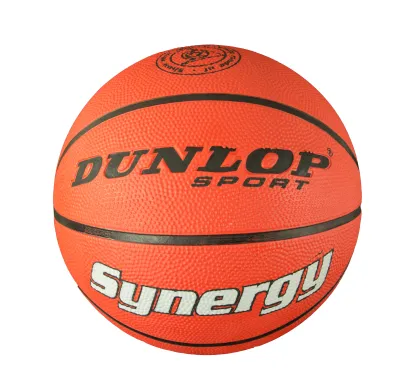
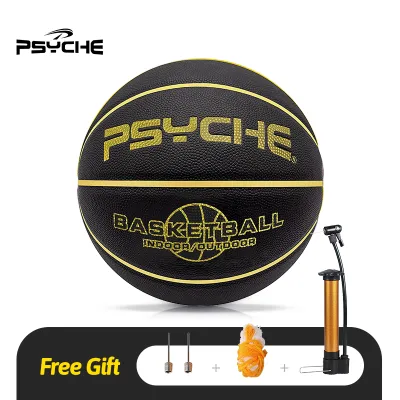
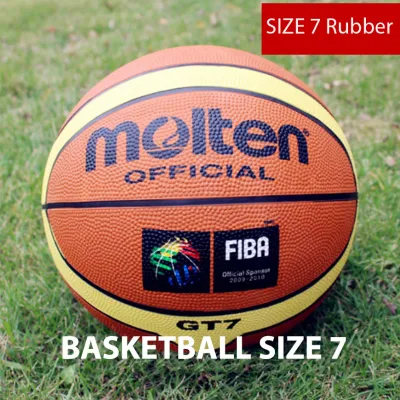
Prices are valid at publication and may change. Please refer to the product page for the latest price.
Size 5 basketballs, measuring approximately 27.5 inches in circumference, are designed for youth players aged 8 to 11. This size is lightweight and small enough for younger players to grip securely, allowing them to practice proper hand placement during passes and shots. For players transitioning into intermediate play, typically girls and boys aged 12 to 14, a Size 6 basketball (around 28.5 inches) is the standard. Size 7 basketballs (around 29.5 inches) are reserved for players aged 15 and older, matching the standard size used in high school, college, and professional leagues.
When a junior player uses an oversized or overweight ball, they must compensate for the lack of grip and strength. This usually results in pushing the ball from the chest or shoulder rather than executing a clean, fluid release. Over time, this compensation causes significant wrist strain and shoulder fatigue, which can sideline a young athlete.
Before purchasing a junior basketball, always verify the specific guidelines of your local school athletic association or community league. Different youth tournaments in the Philippines may have unique age cutoffs or ball size requirements. Checking these regulations beforehand ensures your child practices with the exact equipment they will use during official games.
Setting the Correct Hoop Height for Skill Development
Just as ball size must scale with the player, the height of the rim must align with their physical strength. Setting a hoop too high forces young players to alter their shooting mechanics just to reach the net, which destroys their form. Gradual progression is the key to building a reliable shot.

For players under 10 years old, an 8-foot rim height is highly recommended. This lower height allows them to focus on high-arc shots and proper follow-through without straining. As players reach ages 11 to 12, raising the rim to 9 feet helps them transition smoothly as their core and leg strength develop. By age 12 or 13, most players are physically ready to shoot on the standard 10-foot rim.
Adjustable basketball hoops are excellent investments for home driveways or multi-age family use. They allow you to lower or raise the rim instantly to accommodate different players. Because the tropical climate in the Philippines involves high humidity and heavy rainfall, outdoor adjustable systems require regular maintenance. Check the adjustment mechanism periodically for rust, and apply lubricant to ensure the moving parts remain functional and safe to operate.
Attempting to shoot on a standard 10-foot rim too early carries physical risks. To generate enough power, children often resort to a two-handed “fling” from below the chin. This repetitive, strained motion puts unnecessary stress on developing shoulder joints and elbows, increasing the risk of overuse injuries.
Signs It Is Time to Move Up in Size or Height
Determining when a junior player is ready to transition to a larger basketball or a higher rim requires careful observation during active play. Physical growth is a good indicator, but technical proficiency and comfort on the court are the ultimate deciding factors.
Watch your child’s shooting form from the side during practice. If they can comfortably release the ball from above their forehead with a clean follow-through, without collapsing their knees or twisting their torso to gain momentum, they are likely ready for a higher rim. If they must bend their knees excessively or push the ball with both hands to reach the net, keep the rim at its current height.
Assess their overall ball control and dribbling comfort during drills. If a Size 5 ball looks tiny in their hands and they can easily control it at high speeds, or if their passes consistently overshoot targets because of their growing physical strength, it is time to transition to a Size 6. Conversely, if they constantly lose control of a larger ball or struggle to keep their dribble low, they should continue practicing with the smaller size.
Consulting with your child’s coach is always a wise step before making a permanent equipment change. Coaches can provide an objective assessment of their technical readiness. Additionally, review upcoming league age-cutoff dates; if your child is moving to a division that uses a larger ball next season, starting practice with that size a few months early helps them adapt without pressure.
Frequently Asked Questions (FAQ)
Can a junior player practice with a standard Size 7 ball and 10-foot hoop?
Practicing with adult-sized equipment too early is generally not recommended due to the high risk of developing poor shooting habits and unnecessary joint strain. A heavy ball forces young muscles to overcompensate, leading to a broken shooting form. However, advanced older juniors who are physically mature and under the direct supervision of a qualified coach may occasionally use standard equipment to prepare for high school transitions.
How do I physically measure a basketball to confirm its size?
To verify a basketball’s size at home, wrap a flexible measuring tape around the center seam of the fully inflated ball to find its circumference. You can also check the printed size label, which is typically located near the inflation valve. Keep in mind that outdoor play on rough concrete surfaces wears down the rubber or composite leather cover, which can reduce grip and make the ball feel smaller or lighter over time compared to a fresh indoor ball.

Community discussion
Share your experience or ask a question. Comments are reviewed before publication.