
Smart bait represents a technological shift in recreational fishing, integrating electronic components like LED lights, micro-vibrations, and acoustic signals into a traditional lure body to mimic live prey. Unlike standard plastic or wooden lures that rely entirely on angler manipulation, these electronic devices activate automatically when they contact water, targeting a predatory fish’s visual and sensory systems. In the Philippines, where coastal waters, deep-sea drop-offs, and murky inland lakes present diverse fishing conditions, understanding how these high-tech lures operate can help you decide if they deserve a spot in your tackle box. Let’s explore the mechanics, suitability, and maintenance of smart baits like Kanama to determine if this technology aligns with your local angling style.
How Smart Bait Technology Works in the Water
Smart baits operate on the principle of sensory stimulation, aiming to trigger the predatory instincts of fish by replicating the distress signals of wounded baitfish. Inside the sealed chamber of a smart bait, a compact circuit board connects a power source to miniature light-emitting diodes (LEDs), a vibration motor, or a sound-emitting micro-speaker. These components work in tandem to produce rhythmic flashes, subtle hums, and physical vibrations that travel through the water column. By appealing to multiple senses simultaneously, the lure attempts to attract fish from a greater distance than traditional visual-only lures.
The activation of these electronic features is typically automated to conserve battery life. Most smart baits utilize water-conductivity sensors or pressure-sensitive switches. When the lure is cast and enters the water, the liquid completes an external electrical circuit across two exposed metal contact points on the lure’s body, immediately turning on the internal electronics. Some advanced models may also feature light sensors or motion-activated gyroscopes that adjust the frequency of the vibrations based on how the lure is retrieved through the water column.
Products mentioned in this guide
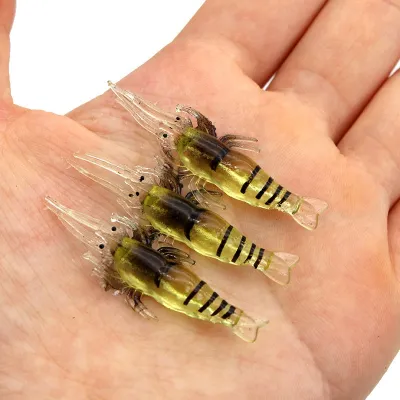
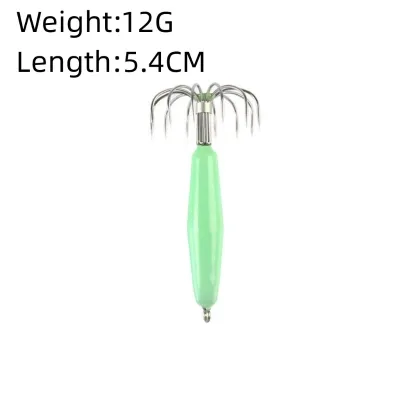
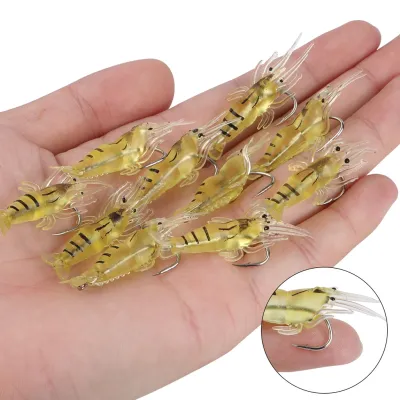
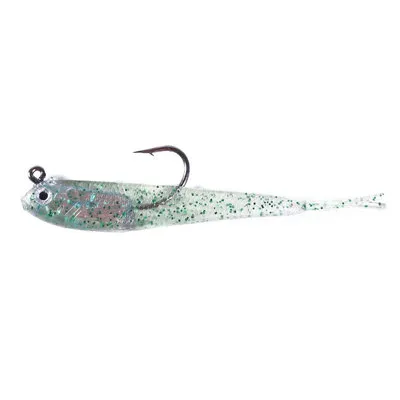
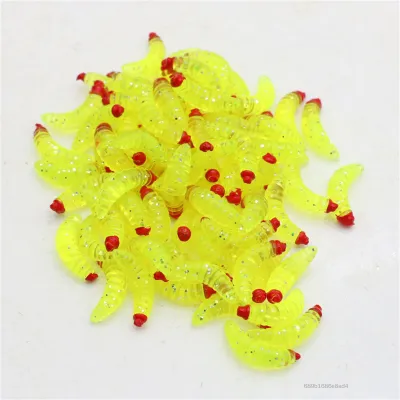


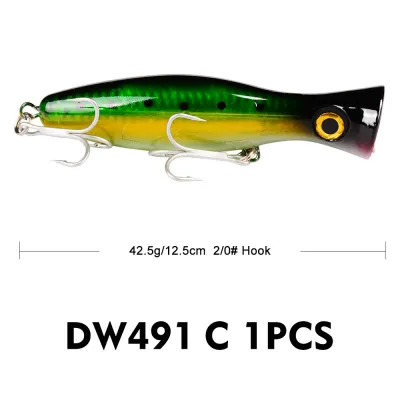
Prices are valid at publication and may change. Please refer to the product page for the latest price.
Because these triggers rely on physical and chemical properties of the water, operational limits can vary significantly between brands and models. Anglers must check the manufacturer’s manual to verify the exact activation depth, sensor sensitivity, and salinity requirements. For instance, some sensors are calibrated specifically for freshwater and may require manual adjustment or a different model when transitioning to highly saline marine environments. Understanding these operational boundaries ensures the lure activates as intended upon hitting the water.
Evaluating Kanama and Other Smart Baits for Your Fishing Needs
Deciding whether to invest in a smart bait like Kanama requires matching the technology to your target species and local fishing venues. These electronic lures are primarily designed for predatory fish that hunt using a combination of sight and their lateral line system—the sensory organ fish use to detect movement and pressure changes in the surrounding water. Species such as groupers (lapu-lapu), mangrove jacks, and snakeheads (haruan) are highly responsive to the localized vibrations and light pulses emitted by smart baits, making them ideal candidates for this technology.

Environmental conditions play a critical role in the effectiveness of electronic lures. Smart baits excel in low-visibility scenarios where traditional lures might go unnoticed. Deep-water structures, murky estuaries, and night fishing sessions are prime environments where an active LED light or a consistent acoustic hum can draw fish from a distance. In crystal-clear, shallow waters, however, the intense flashing or mechanical vibration might occasionally startle wary fish, meaning standard, silent lures may still be preferred in those specific settings.
Anglers must also weigh the practical trade-offs before purchasing. A primary consideration is the initial cost, as smart baits typically command a premium price, often ranging from several hundred to over a thousand pesos (₱) per unit, depending on the complexity of the electronics. Additionally, while the lure does some of the work for you, there is still a learning curve involved in mastering retrieval speeds to prevent the bait from sinking too quickly or snagging on underwater hazards. Finally, your fishing time is strictly limited by the lure’s battery life; unlike a traditional piece of plastic, a smart bait with a depleted battery loses its primary technological advantage and becomes a standard, heavy lure.
Practical Setup, Maintenance, and Limitations
To get the most out of your smart bait and protect your investment, establishing a strict pre-trip and post-trip routine is essential. Before heading out to the water, verify the battery levels according to the manufacturer’s instructions. Many rechargeable smart baits use proprietary magnetic charging clips or USB docks. Ensure the charging contacts are completely clean and dry before connecting them to a power source. A fully charged battery prevents the disappointing experience of casting a dead lure that fails to activate when it reaches the strike zone.
The tropical climate and high humidity of the Philippines, combined with saltwater exposure, create a highly corrosive environment for electronic gear. After every fishing trip—especially those in brackish or marine environments—you must rinse the smart bait thoroughly with clean, fresh water. This rinse removes salt crystals, sand, and organic debris that can clog sensors or corrode the external charging contacts. After rinsing, wipe the lure down and allow it to dry completely in a well-ventilated, shaded area before storing it in your tackle box. Never store a damp electronic lure in an airtight container, as trapped moisture can compromise the internal seals.
Regular visual inspections are your primary defense against catastrophic gear failure. Before and after each use, inspect the integrity of the waterproof seals and any rubber O-rings protecting the battery compartment or charging port. Look for fine cracks in the plastic body, loose joints, or signs of moisture intrusion behind the clear casing. If you observe water droplets inside the electronics chamber, a cracked seal, or damaged contact points, these serve as clear stop-conditions. You should immediately retire the lure from active use and consult the manufacturer’s guidelines to avoid short-circuiting the internal electronics.
Frequently Asked Questions (FAQ)
Do smart baits work better than traditional lures?
Smart baits do not universally outperform traditional lures; rather, they serve as specialized tools for specific fishing scenarios. The electronic lights and vibrations provide a distinct advantage in dark, deep, or highly turbid waters where fish cannot rely on natural light to hunt. However, traditional lures remain indispensable for surface presentations, highly clear waters, and situations where fish are easily spooked by artificial sounds. A balanced tackle box should include both options to adapt to changing water conditions.
Are smart baits like Kanama safe for saltwater fishing?
Many smart baits are designed to withstand saltwater, but compatibility varies by model. You must check the product’s official specifications and packaging to verify its saltwater rating before casting it into marine environments. Saltwater is highly conductive and corrosive, meaning any compromise in the lure’s seals will lead to rapid failure. If the manufacturer confirms saltwater compatibility, immediate freshwater rinsing and thorough drying after use are mandatory to prevent corrosion on the external sensors and hooks.
How do I know when the smart bait battery needs replacing?
Observable signs of battery depletion or degradation include dimming LED lights, weaker or inconsistent vibrations, or a complete failure of the lure to activate when submerged. If the lure features a rechargeable battery, you may notice it takes significantly longer to charge or loses its charge rapidly during use. For models with replaceable batteries, always consult the manufacturer’s manual for the correct replacement procedure to ensure you do not compromise the waterproof seals or void the product warranty.

Community discussion
Share your experience or ask a question. Comments are reviewed before publication.