
To survive the intense downpours and high humidity of the Philippine rainy season, a camp tent must feature a high waterproof rating, a full-coverage rainfly, robust ventilation options to combat condensation, and a durable, wind-resistant frame. Standard tents designed for dry, temperate climates often fail under the weight of tropical monsoons, leading to soaked gear and sleepless nights. Selecting the right shelter requires looking past basic aesthetics and verifying specific technical details, materials, and construction methods that can withstand both heavy rainfall and saturated ground.
Why Tropical Downpours Change Your Tent Requirements
Camping in the Philippines during the wet season, which typically spans from June to November, presents a unique set of environmental challenges that standard outdoor gear rarely encounters in temperate zones. A light afternoon drizzle in a cooler climate is vastly different from a sustained southwest monsoon (habagat) downpour or a sudden tropical depression. In these local conditions, rain does not just fall vertically; it is often driven horizontally by strong gusts of wind, testing every seam, zipper, and fabric layer of your shelter.
The primary difficulty lies in the dual threat of external water intrusion and internal condensation. While a thick, non-breathable plastic tarp might keep the rain out, the high ambient humidity of a tropical forest or coastal campsite means your own breath and body heat will quickly turn the interior into a humid greenhouse. Without proper design, moisture condenses on the inside walls, dripping onto your sleeping bag and gear, leaving you just as wet as if the tent had leaked.
Products mentioned in this guide


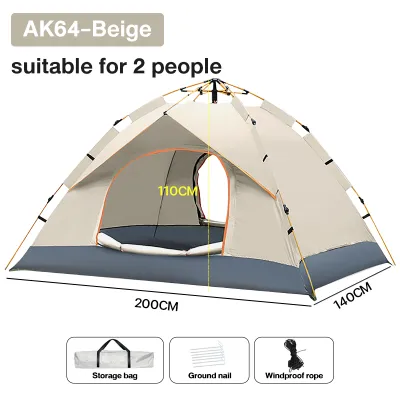
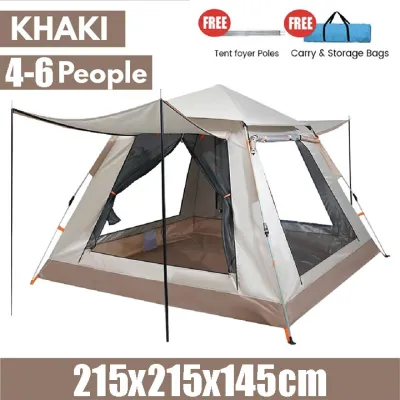
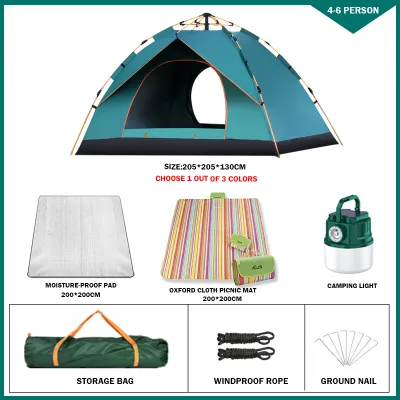
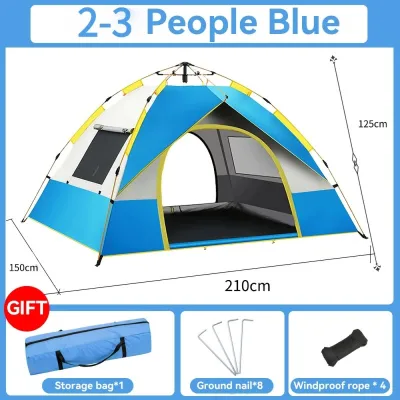
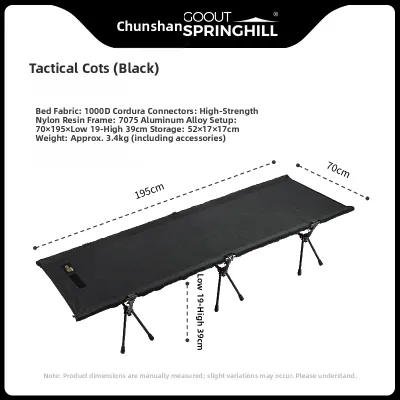
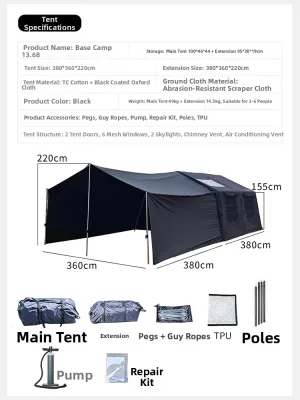
Prices are valid at publication and may change. Please refer to the product page for the latest price.
Furthermore, standard manufacturer weather ratings are often tested in controlled laboratory environments that do not simulate the prolonged, high-volume rainfall of a tropical storm. A tent rated as “water-resistant” might survive a brief shower, but hours of continuous pounding will saturate the fabric if the specifications are insufficient. Understanding how to evaluate these ratings against real-world tropical conditions is the first step in ensuring your safety and comfort in the great outdoors.
Critical Waterproofing and Structural Specifications
When shopping for a camp tent, the most critical technical specification to verify is the hydrostatic head (HH) rating, which is measured in millimeters (mm). This rating indicates the amount of water pressure a fabric can withstand before moisture begins to penetrate. For the Philippine rainy season, look for a rainfly with a minimum rating of 1,500mm to 2,000mm. The tent floor requires an even higher rating, ideally 3,000mm or more, because your body weight exerts physical pressure on the wet ground, forcing water upward through the fabric if the barrier is too weak.

Even the most waterproof fabric will fail if the seams are poorly constructed. Inspect the interior of the rainfly and floor to confirm they feature factory-taped seams, where a waterproof tape is thermally applied over the stitching. If you observe lifting edges, gaps, or untaped seams on a budget tent, you will likely need to apply an aftermarket polyurethane seam sealer before heading into the field. Pay close attention to high-stress areas, such as corner joints and guy-out points, where water is most likely to pool or pull at the fabric.
The structural integrity of your tent depends heavily on its pole material and frame geometry. Aluminum poles are generally highly suitable for wet and windy conditions; they offer an excellent strength-to-weight ratio and bend under pressure rather than shattering. A dome or geodesic frame design distributes wind and rain loads more evenly than a simple cabin-style tent with vertical walls. Ensure the pole sleeves or clips are robust and that the tent includes multiple guy-line attachment points to anchor the structure firmly into the ground.
A full-coverage rainfly is non-negotiable for tropical wet-weather camping. Unlike partial rainflies that only cover the roof, a full-coverage fly extends all the way to the ground, shielding the inner tent body from wind-driven, angled rain. Additionally, look for a design that incorporates a spacious vestibule—an extension of the rainfly that creates a covered porch area outside the inner tent door. This vestibule is essential for storing muddy hiking boots, wet backpacks, and damp cooking gear, keeping the interior sleeping area clean, dry, and uncluttered.
Ventilation and Humidity Management Features
Managing humidity inside a tent during a tropical downpour requires a delicate balance between sealing out the rain and letting the air circulate. Double-wall tents, which consist of a separate inner tent body and an outer rainfly, are highly effective for this purpose. The inner tent should feature generous mesh panels on the walls and ceiling to allow warm, moist air to escape. This design prevents your breath from condensing directly on the inner fabric, directing it instead to the underside of the waterproof rainfly where it can run down to the ground.
To maintain airflow even when the rainfly is fully zipped shut, look for tents equipped with adjustable roof vents or kickstand vents. These vents are shielded by small hoods to keep rain out while allowing rising heat to escape. A good wet-weather tent will also maintain a clear gap of at least a few inches between the inner tent mesh and the outer rainfly. If the two layers touch, water can transfer through capillary action, instantly soaking the interior.
Interior space and wall geometry also play a subtle but vital role in keeping you dry. In a small, cramped tent with steeply sloping walls, you are much more likely to accidentally brush against the sides while sleeping or changing clothes. During a heavy storm, the inner surface of the rainfly or even a damp inner wall can transfer moisture to your skin or sleeping bag upon contact. Choosing a tent with near-vertical walls or a slightly larger capacity (such as using a three-person tent for two campers) provides a comfortable buffer zone away from the wet exterior layers.
Campsite Selection and Setup Adjustments for Heavy Rain
Even the most advanced camp tent will fail if pitched in a poor location. When camping during the rainy season, campsite selection is your first line of defense. Avoid pitching your tent in depressions, dry riverbeds, or at the base of steep slopes where water naturally pools or flows. Look for slightly elevated, well-drained ground, preferably on a gentle slope that allows rainwater to run away from your shelter. Be mindful of the surrounding trees; while they offer some wind protection, dead branches can fall under the weight of heavy rain and wind.
Using a ground tarp or a custom-fit footprint is highly recommended to protect your tent floor from sharp rocks and moisture. However, the footprint must be slightly smaller than the tent floor itself. If the tarp extends beyond the edges of the tent, it will act as a funnel, catching rainwater running off the rainfly and channeling it directly underneath your tent, where it will pool and eventually seep through. Fold any excess tarp material underneath the tent floor to keep it completely hidden from falling rain.
Proper tensioning during setup is critical to maintaining the tent’s waterproof integrity. Use all available stakes and guy-lines to pull the rainfly taut, ensuring there are no sagging areas where water can pool. A sagging rainfly not only reduces wind resistance but can also press against the inner tent, causing leaks. Adjust the tensioners periodically, as some fabrics stretch when they become wet. Ensure the guy-lines are anchored securely into the ground, using specialized stakes for soft mud or sand if necessary.
Finally, always monitor local weather advisories from PAGASA before and during your trip. If a tropical cyclone warning or a severe thunderstorm alert is issued, recognize the limits of your gear and your experience. No tent is designed to withstand landslide-prone slopes or flash floods. If conditions deteriorate rapidly, do not hesitate to abort your camping trip and seek solid, permanent shelter immediately.
Post-Trip Drying and Storage Maintenance
The care you provide after your camping trip is just as important as the preparation before it. Packing away a wet or damp tent is the fastest way to ruin its waterproof coatings and invite mold and mildew. Mildew not only produces a persistent, musty odor but also secretes acids that break down polyurethane coatings and seam tape over time. As soon as you return home, hang the tent, rainfly, and footprint in a well-ventilated, shaded outdoor area or a spacious indoor room to dry completely. Avoid direct sunlight for extended periods, as ultraviolet rays can degrade synthetic fabrics.
While drying, inspect the tent thoroughly for hidden moisture. Pay close attention to the thick seams, zipper tracks, corner pockets, and the carrying bag itself. Even if the main fabric feels dry to the touch, moisture can remain trapped in these double-layered areas. Wipe down the tent poles to prevent corrosion and clean any mud or debris from the stakes before storing them.
Once every component is bone-dry, store the tent loosely in a breathable cotton bag or a large pillowcase rather than stuffing it tightly back into its original compact carrying sack. Tight compression over long periods can crease the fabric, causing the waterproof coatings to crack and peel. Keep your gear in a cool, dry closet away from high humidity and extreme temperature fluctuations, ensuring it remains in excellent condition for your next outdoor adventure.
Frequently Asked Questions (FAQ)
Can I use a standard summer tent during the rainy season?
Standard summer tents are generally designed for maximum breathability in dry, warm weather and often feature minimal rainfly coverage and low waterproof ratings. Using them during the Philippine rainy season is highly risky, as they are easily overwhelmed by heavy downpours and strong winds. Without a full-coverage rainfly and robust waterproofing, water will quickly penetrate the mesh panels and floor, soaking your gear and compromising your safety.
How do I re-waterproof an older camp tent?
If your older camp tent has started to leak, you can often restore its water resistance by applying aftermarket treatments. First, clean the tent thoroughly with a specialized gear cleaner and let it dry. Next, apply a polyurethane seam sealer to the inside of the seams if the original tape is peeling. Finally, spray the exterior of the rainfly with a durable water repellent (DWR) coating to help water bead up and roll off the fabric. Always follow the manufacturer’s specific instructions for application and curing times.

Community discussion
Share your experience or ask a question. Comments are reviewed before publication.