
Choosing a car roof tent for a road trip in the Philippines requires balancing convenience, comfort, and extreme weather resilience. Unlike traditional ground camping, an elevated sleeping setup keeps you away from damp soil, crawling insects, and uneven terrain. However, the unique combination of tropical humidity, sudden torrential downpours, and diverse road conditions means that not just any tent will suffice. To ensure a safe and comfortable journey, you must prioritize specific features that match the local climate and your vehicle’s capabilities.
Evaluating Road Trip and Tropical Climate Demands
Road trips across the Philippine archipelago often involve moving between vastly different microclimates, from the humid coastal roads of Zambales to the cooler, mist-shrouded heights of Benguet. This frequent change of scenery means you will likely relocate your camp almost daily. A tent that takes too long to pitch or pack up will quickly drain your energy and eat into your daylight exploration time. Fast, reliable deployment mechanisms are essential for maintaining a relaxed road trip pace.
Furthermore, the tropical climate presents severe weather challenges. A sudden afternoon thunderstorm can dump inches of rain in minutes, while the midday sun can degrade cheap fabrics rapidly. Your tent must feature high-grade waterproofing, robust UV resistance, and exceptional cross-ventilation to prevent the interior from turning into a humid sauna.
Products mentioned in this guide
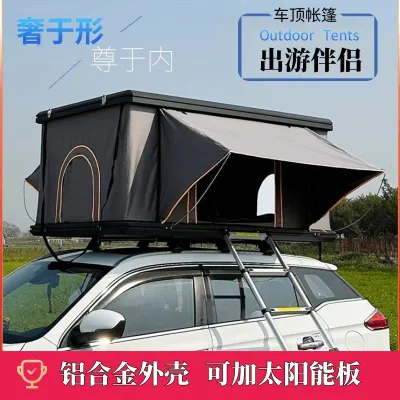
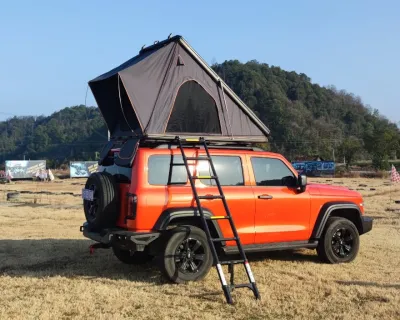
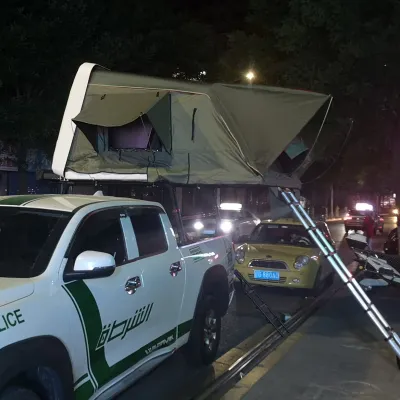
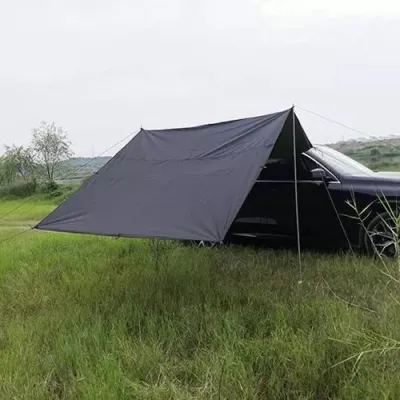
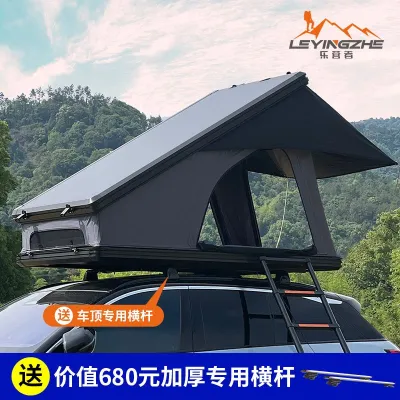
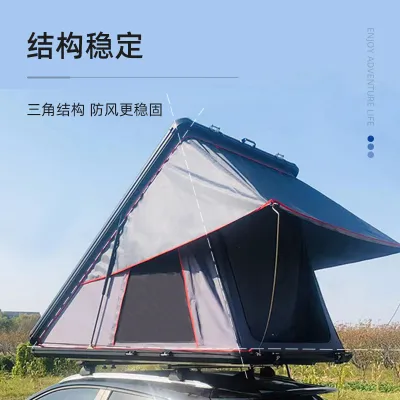
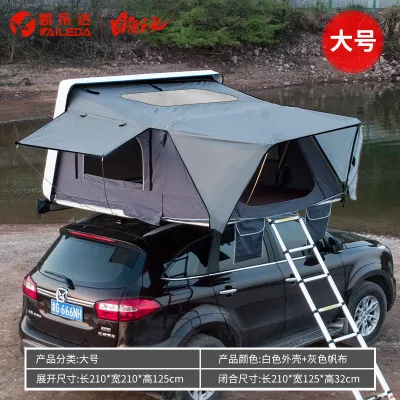
Prices are valid at publication and may change. Please refer to the product page for the latest price.
Finally, navigating provincial roads, gravel tracks, and coastal routes exposes your vehicle to constant vibrations, salt air, and low-hanging foliage. The mounting hardware and outer shell of your tent must be durable enough to withstand these physical demands without rattling loose or corroding over time.
Essential Tent Features for Rain, Heat, and Daily Setup
When comparing tent designs, the choice between a hard-shell and a soft-shell model is your first major decision. Hard-shell tents, which typically utilize gas struts to pop open vertically or on a clamshell hinge, can be set up or packed away in under a minute. This speed is incredibly advantageous when arriving at a campsite after dark or during a sudden downpour. They also offer a more aerodynamic profile when closed, reducing wind resistance on long highway drives. However, they tend to be heavier and carry a higher price tag, often ranging from ₱60,000 to well over ₱120,000 depending on the build quality. Soft-shell tents, on the other hand, fold out to double their footprint, offering more spacious sleeping areas that are ideal for families. While they are lighter and generally more affordable, they require manual unfolding, pole adjustments, and the securing of a heavy-duty travel cover, which can be tedious during daily relocations.

Weatherproofing specifications require close inspection. Look for fabrics with a hydrostatic head rating of at least 1500mm to 3000mm, which indicates the water pressure the material can withstand before leaking. Poly-cotton canvas offers an excellent balance of durability, water resistance, and breathability, making it highly suitable for tropical climates. Ensure the tent has a dedicated, waterproof rainfly that extends well past the window openings, and verify that all seams are heat-taped or double-stitched to prevent water ingress during heavy monsoon rains.
Inside the tent, comfort depends heavily on the mattress and space. Most roof tents come with an integrated high-density foam mattress. Look for a thickness of at least 5cm to 8cm to cushion you from the hard baseplate. Because tropical humidity can cause perspiration and moisture buildup, the mattress cover should be made of a breathable, moisture-wicking material and be fully removable for washing. Ensure the internal head height allows you to sit up comfortably without hunching, which makes changing clothes and relaxing much easier.
Ventilation is perhaps the most critical feature for camping in the Philippines. Without adequate airflow, body heat and respiration will quickly create a stifling interior environment and cause heavy condensation. Prioritize tents with large mesh windows on all sides to facilitate continuous cross-ventilation. These windows must be equipped with fine, high-quality insect mesh to keep out mosquitoes and small biting insects. Awning poles that prop open the window flaps are highly beneficial, as they allow you to keep the windows open for airflow even when it is raining outside.
Verifying Vehicle Compatibility and Roof Rack Limits
Before purchasing any roof tent, you must thoroughly verify your vehicle’s structural limits and roof rack specifications. The most critical concept to understand is the difference between dynamic and static weight limits. The dynamic weight limit is the maximum load your vehicle’s roof can safely support while the car is in motion. This limit is typically specified in your vehicle’s owner’s manual and often ranges from 50kg to 75kg for standard crossovers and SUVs. Your roof tent, along with the crossbars, must weigh less than this dynamic limit to prevent compromising the vehicle’s stability, braking, and handling.
The static weight limit, conversely, is the weight the roof can support when the vehicle is parked and stationary. This limit is significantly higher—usually three to four times the dynamic limit—because the vehicle’s suspension and structural pillars share the load. The static capacity must easily accommodate the combined weight of the tent, the ladder, all occupants, and your sleeping gear.
To mount the tent safely, factory-installed side rails are rarely sufficient on their own. You will need to install heavy-duty, aftermarket crossbars that are specifically rated for off-road or utility loads. Check the manufacturer’s guidelines for crossbar spacing and ensure the mounting brackets provided with the tent are compatible with the shape and width of your crossbars.
Keep in mind that mounting a heavy, bulky object on your roof raises your vehicle’s center of gravity. This change will be noticeable when driving on winding provincial roads, such as those in the Cordillera region, where body roll may increase. Additionally, the increased aerodynamic drag will affect your fuel efficiency, particularly at highway speeds on expressways. Selecting a low-profile, streamlined tent can help minimize these handling and fuel consumption penalties.
Planning for Accessories and Gear Storage
A successful multi-day road trip often requires more than just a place to sleep; you must also consider how you will manage your gear and daily activities around the vehicle. Annex rooms and pull-out awnings are highly valuable accessories. An annex room attaches to the underside of an elevated soft-shell tent, creating an enclosed, ground-level living space. This area is perfect for changing clothes in private, setting up a portable kitchen out of the wind, or storing bulky gear like coolers and storage bins. A vehicle-mounted side awning provides instant shade from the scorching tropical sun or shelter from a passing shower during quick roadside lunch stops.
Inside the tent, smart organization features help maintain a clean and comfortable sleeping area. Look for models with built-in overhead gear lofts, side storage pockets for personal items like phones and glasses, and external shoe bags that slide into the tent’s outer mounting rail. Keeping dirty or damp footwear outside the main sleeping cabin is essential for keeping the interior clean and dry. Some modern tents also feature dedicated sleeves or routing tabs for running LED light strips or power cables from a portable power station.
Finally, evaluate the ladder system. Most roof tents include an aluminum ladder, which can be either telescoping or sliding. Telescoping ladders offer superior flexibility because they can be adjusted increment by increment, allowing you to achieve the optimal 70-degree angle on uneven or sloped ground. Ensure the locking mechanisms are robust and easy to operate, and check that the rungs are wide enough to step on comfortably without shoes.
Frequently Asked Questions (FAQ)
Can I install a car roof tent on any vehicle?
No, not all vehicles are suitable for a roof tent. You must consult your vehicle’s owner’s manual to verify the maximum dynamic roof load capacity. Small compact cars or vehicles with panoramic glass roofs often cannot support the weight of a tent. Additionally, you must upgrade from factory-installed crossbars to heavy-duty aftermarket crossbars that are specifically rated to handle the dynamic weight of the tent and mounting hardware.
How do I prevent condensation inside the roof tent?
To minimize condensation in humid tropical environments, always maintain continuous airflow by keeping the tent’s ventilation ports and mesh windows at least partially open, even during rain. Using a specialized anti-condensation mat—a textured, breathable mesh layer placed directly under the mattress—is highly recommended, as it allows air to circulate underneath and prevents moisture from pooling. Additionally, avoid bringing wet clothes, towels, or damp gear inside the sleeping cabin, and wipe down the interior walls with a microfiber cloth if moisture begins to accumulate.

Community discussion
Share your experience or ask a question. Comments are reviewed before publication.