
Choosing the right kids boxing gloves set for your child requires balancing their age, hand circumference, and the specific training they will perform. Many parents confuse a glove’s weight, measured in ounces (oz), with its physical size, but these are two distinct measurements. While the physical size determines how snugly the glove fits your child’s hand, the weight dictates the level of padding and protection provided. Selecting the correct combination of both is essential to keep your child’s hands safe and comfortable during training.
Understanding Glove Weight (Ounces) for Kids
When browsing for a kids boxing gloves set, you will notice that gloves are categorized by ounces, abbreviated as “oz.” This measurement refers specifically to the weight of the glove and the thickness of the protective padding inside, rather than the physical external dimensions of the hand compartment. A higher ounce rating means there is more foam padding between your child’s knuckles and the target, which helps absorb impact forces during training.
As a general baseline reference, younger children and toddlers typically start with lighter gloves ranging from 4 oz to 6 oz. Older children and pre-teens generally transition to 8 oz, 10 oz, or even 12 oz gloves as their physical strength and hand size develop. However, these general categories are only starting points, and you must always verify the weight recommendations against the specific manufacturer’s guidelines for each model.
Products mentioned in this guide
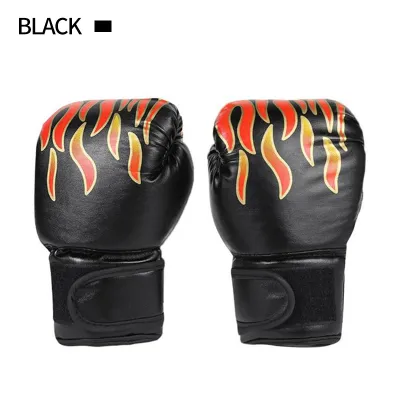
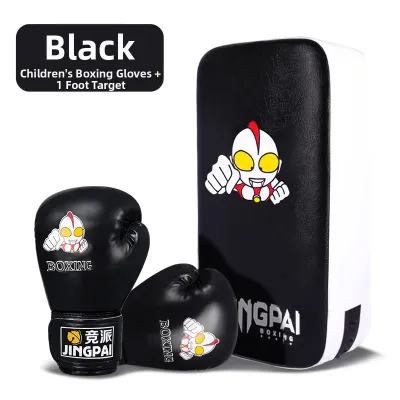
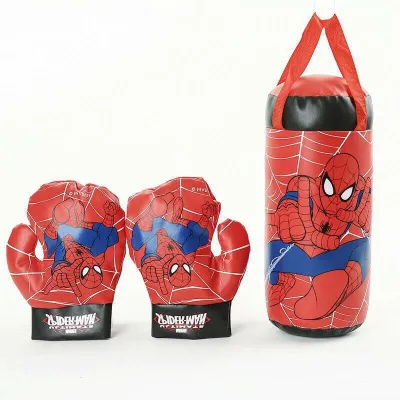

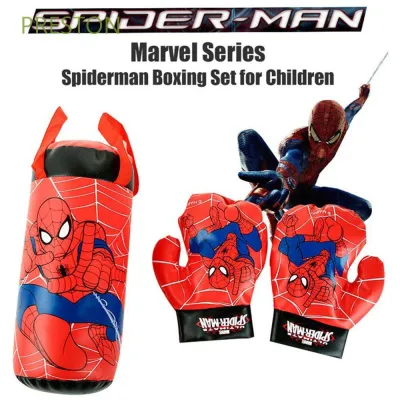
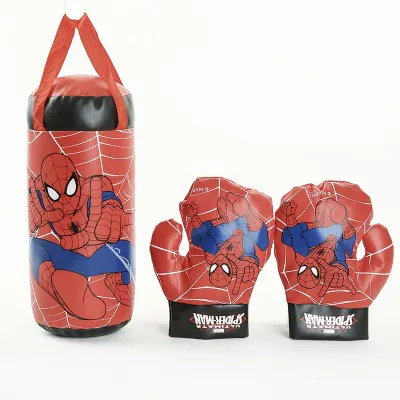
Prices are valid at publication and may change. Please refer to the product page for the latest price.
Choosing the right weight involves a careful trade-off between protection and physical fatigue. Heavier gloves provide superior impact protection for developing joints, but they also require more shoulder and arm strength to keep raised in a proper defensive guard. If the gloves are too heavy for your child’s current physical development, their arms will tire quickly, leading to poor form, dropped hands, and an increased risk of injury. Conversely, gloves that are too light may not offer enough padding to cushion impacts on heavy training equipment.
Finding the Right Glove Size and Fit
To ensure your child can train safely, you must find a glove that physically fits their hand structure. This process begins by measuring your child’s hand circumference using a flexible tape measure. Wrap the tape around the dominant hand just below the knuckles, excluding the thumb, and note the measurement in inches or centimeters.

Once you have this measurement, compare it directly to the manufacturer’s specific sizing chart. Avoid relying on generic physical size labels like Small, Medium, or Large, as these designations vary significantly between different brands and are not standardized across the industry. A “Medium” in one brand might fit like a “Small” in another, making precise measurements crucial.
When your child tries on the gloves, there are several critical fit checkpoints you should evaluate. First, their fingertips should lightly brush the end of the glove’s inner compartment without feeling cramped or bent. If their fingers are forced to curl at the tips, the gloves are too small and will cause discomfort during use.
Next, check the wrist closure to ensure it secures firmly around the wrist joint. The closure should support the wrist and keep it straight, preventing it from bending unnaturally upon impact. However, it must not be so tight that it restricts blood flow or causes pinching. Finally, ensure your child can easily form a natural, tight fist inside the glove without straining their hand muscles.
Matching Gloves to the Intended Activity
The ideal weight and style of a kids boxing gloves set also depend heavily on the specific training activities your child will perform. For general fitness, shadowboxing, or light cardio drills, lighter gloves are often preferred. These allow children to focus on learning proper punching mechanics, speed, and endurance without being weighed down by heavy padding.
If your child is transitioning to heavy bag work or pad drills with a coach, they will require gloves with more substantial padding. Striking a dense heavy bag puts significant stress on developing knuckles, wrists, and finger joints. Adequate padding is necessary to absorb these repetitive impact forces and prevent acute or chronic hand injuries.
For children participating in actual sparring, standard training gloves are not sufficient. Sparring requires specialized, heavily padded sparring gloves designed specifically to minimize impact force on training partners, and these sessions must always be conducted under strict professional coaching and supervision. Equipment alone cannot replace proper training, safety rules, and adult judgment. Before purchasing any gear, check the product description carefully or consult your child’s coach to confirm if the set is approved and safe for their specific class requirements.
Essential Safety and Comfort Features to Verify
When evaluating different options, look closely at the structural design and materials of the gloves to ensure long-term usability and safety. The wrist support system is one of the most critical features to inspect. Look for wide, secure hook-and-loop straps that are easy for parents, coaches, or even the children themselves to tighten and adjust. A high-quality strap keeps the wrist aligned with the forearm, reducing the risk of wrist sprains during impact.
Another vital safety feature is the thumb attachment design. Ensure the thumb of the glove is securely stitched to the main body of the glove, often referred to as an attached thumb or thumb lock design. This structural feature prevents the thumb from bending backward upon impact and protects training partners from accidental eye pokes during drills.
In warm and humid tropical climates, such as in the Philippines, heat and moisture management inside the glove are essential for comfort and hygiene. Look for gloves featuring moisture-wicking inner linings or integrated mesh panels on the palms. These features promote airflow, help manage sweat during intense training sessions, and allow the gloves to dry out more quickly afterward, preventing the buildup of unpleasant odors and bacteria.
Frequently Asked Questions (FAQ)
Can my child use adult boxing gloves if they physically fit?
No, children should not use adult boxing gloves, even if their hands seem large enough to fit inside them. Adult gloves are engineered with wider hand compartments and much denser foam padding designed to withstand the punching power and bone structure of fully grown adults. Because a child’s bones and joints are still developing, the dense padding of an adult glove will not compress properly under a child’s lighter impact, failing to absorb shock and significantly increasing the risk of hand and wrist injuries.
Do kids need hand wraps under their boxing gloves?
Yes, using hand wraps is highly recommended, especially when children are striking heavy bags or focus mitts. Hand wraps provide an extra layer of protection by stabilizing the wrist joint, keeping the knuckles aligned, and filling any empty space inside the glove compartment for a more secure fit. You should consult your child’s boxing coach or review the glove manufacturer’s guidelines to determine the appropriate length and style of wraps for your child’s age and training intensity.

Community discussion
Share your experience or ask a question. Comments are reviewed before publication.