
Quick Answer: Which Cardio Machine Should You Choose?
Choosing between a compact walking pad and a traditional treadmill depends on your available floor space, your primary fitness goals, and your safety requirements. Both machines offer excellent cardiovascular benefits, but they serve very different home workout styles.
Choose the King Smith WalkingPad if your floor space is severely limited, you primarily walk or lightly jog, and you need to store the equipment under a bed or sofa when not in use. This low-profile, foldable design is ideal for apartments, shared living spaces, and active remote workers who want to move while working.
Choose a traditional treadmill if you require high-speed running, incline training, sturdy handrails for balance, and have a dedicated, permanent workout area. Traditional machines are built for high-intensity training and offer robust physical support.
Products mentioned in this guide
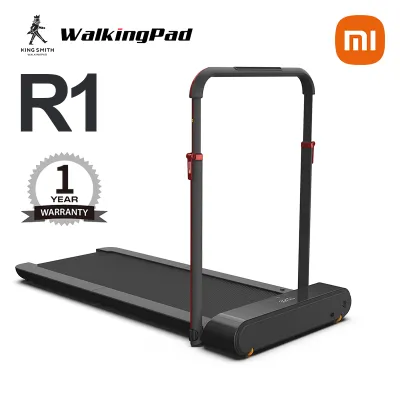
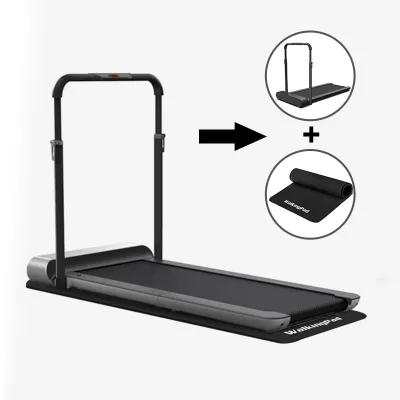
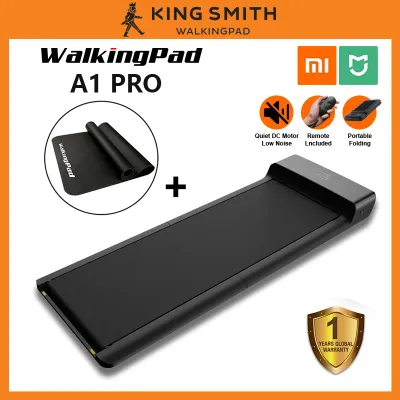
![Xiaomi Kingsmith Walkingpad R2 Foldable Treadmill [ International Edition Exclusive Distribution Brushless Motor CE Certified Running Walking 1.25hp 12km/h Low Noise 110kg Load Capacity LED Display APP Control Remote Control Home Gym ]](https://img.lazcdn.com/g/p/a6ceb707a445e9ca0f3cd948962e282c.jpg_400x400q80.jpg_.webp)
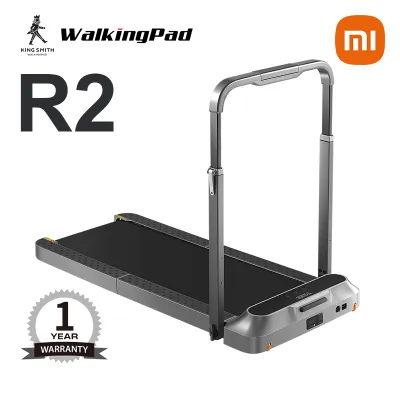
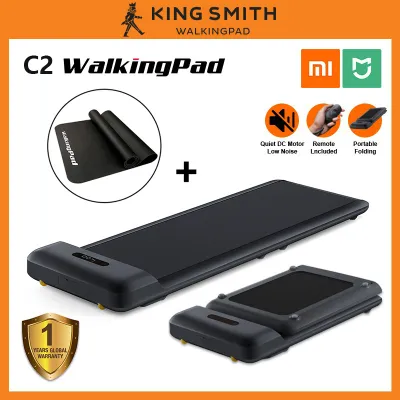
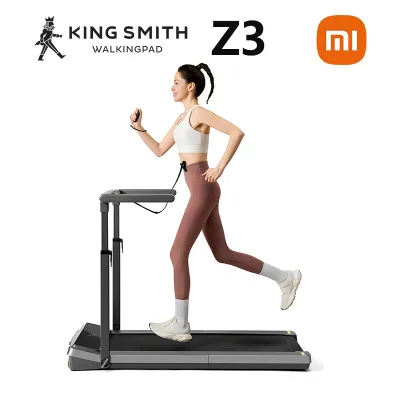
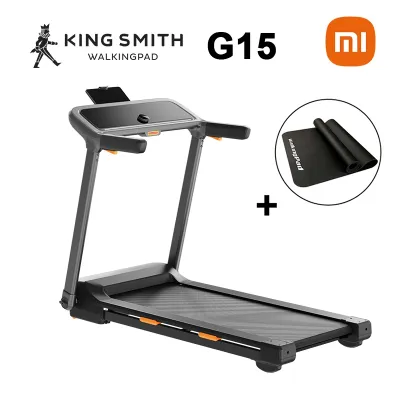
Prices are valid at publication and may change. Please refer to the product page for the latest price.
Before making a purchase, always verify the specific model specifications, such as motor size, continuous horsepower, and maximum speed, on the manufacturer’s label or official product page.
Space, Storage, and Portability
The physical footprint of your fitness equipment determines how easily it integrates into your daily life. Traditional treadmills are large, heavy, and typically require a permanent spot in your home. Even folding traditional treadmills only fold vertically, meaning they still occupy a significant amount of visual and physical space in a room.

In contrast, walking pads are engineered specifically for space optimization. Many models feature a unique double-fold mechanism that allows the deck to fold completely in half. This ultra-compact design makes it possible to slide the machine under a bed, behind a wardrobe, or inside a closet, keeping your living area clutter-free when you are not exercising.
Weight and mobility also differ greatly between these two categories. Traditional treadmills often weigh upwards of 80 kilograms, making them difficult to move without professional assistance. Walking pads are lightweight, typically weighing under 40 kilograms, and come equipped with built-in transport wheels so you can easily roll them across the floor.
To ensure a safe and comfortable setup, use this practical clearance checklist before buying:
- Ceiling Height: Traditional treadmills raise your standing height by 15 to 25 centimeters. In homes with low ceilings or low-hanging ceiling fans, measure your height plus the deck height to ensure adequate head clearance.
- Under-Furniture Clearance: If you plan to store a walking pad under a sofa or bed, measure the exact vertical gap of your furniture and compare it to the folded thickness specified on the product sheet.
- Safety Perimeter: Ensure there is at least 1 to 1.5 meters of clear, unobstructed space behind the running belt. This safety zone is crucial in case you slip or need to step off the machine quickly.
Workout Intensity: Speed, Incline, and Motor Power
Your fitness goals should dictate the mechanical capabilities of the machine you choose. Walking pads and traditional treadmills are designed for different levels of athletic intensity, which is reflected in their motor designs and speed ranges.
Walking pads are built for low-to-moderate intensity workouts. Their speed limits are generally capped at walking or light jogging paces. Because they are designed for lighter use, they feature smaller, quieter motors that run efficiently at lower speeds but are not built for sustained high-speed running.
Traditional treadmills are equipped with powerful motors designed for high-speed running, sprinting, and interval training. These robust motors can handle the high friction and impact of a running stride over long periods without overheating. In warm, humid tropical climates, motor ventilation is especially important; larger motors dissipate heat more effectively during intense sessions.
Incline capability is another major differentiator. Traditional treadmills often feature motorized or manual incline settings, allowing you to simulate hill climbs to increase your heart rate and target different muscle groups. Walking pads are almost exclusively flat, though some specialized models may offer fixed, slight manual inclines.
Before purchasing, check the product manual for the continuous horsepower (CHP) rating rather than the peak horsepower. A higher CHP indicates a motor that can sustain your workout intensity over time. Additionally, verify the maximum user weight capacity to ensure the machine safely supports your body weight during exercise.
Ergonomics, Stability, and Safety Features
Safety and physical comfort are paramount when exercising at home. The structural differences between walking pads and traditional treadmills directly affect how stable you feel while moving.
Traditional treadmills feature sturdy, fixed handrails and a front console. These handrails provide essential physical support for users with balance concerns, those recovering from injuries, or runners moving at high speeds. They also house physical emergency stop buttons and safety key clips that instantly cut power if you lose your footing.
Walking pads prioritize a minimalist design, which means many models do not have handrails at all, or feature a single foldable bar. Without side handrails, you must rely entirely on your natural balance. If you are using a walking pad, you will typically control the speed via a handheld remote control or automatic pressure sensors under the belt, which requires some practice to master safely.
Deck size also plays a critical role in safety. A traditional treadmill offers a wide and long running surface, accommodating a natural, long stride without the risk of stepping off the belt. Walking pads have narrower and shorter decks. While perfectly adequate for walking, a narrower deck requires more focus to maintain a straight path, especially as you transition from a walk to a light jog.
Always locate the safety key on your chosen machine and clip it to your clothing before starting. If your walking pad does not use a physical safety key, familiarize yourself with its emergency stop functions on the remote control or mobile app before stepping onto the belt.
Noise, Tech Features, and Daily Usability
Using fitness equipment at home requires considering your living environment, especially if you share your space with family members or live in a multi-story apartment or condominium. Noise and vibration can easily transfer through floors, causing disruptions.
Traditional treadmills generate significant impact noise from running strides. The thud of a foot strike, combined with a large motor, can create noticeable vibrations. Walking pads operate much more quietly because they are used at lower speeds and support walking rather than high-impact running. However, both types of equipment benefit from a dedicated floor mat to dampen sound and protect your flooring.
Tech integration varies widely between the two styles:
- Traditional Treadmills: These machines often feature large, built-in console screens, pre-programmed workout routines, heart rate monitors, and sometimes built-in speakers or cooling fans.
- Walking Pads: These devices favor a minimalist aesthetic, often displaying basic stats like speed, distance, and time on a sleek LED screen built into the motor cover. They rely heavily on Bluetooth connectivity to sync your workout data with mobile fitness apps.
Daily usability also depends on your home’s electrical setup. Verify the voltage and power requirements of the machine in your user manual. High-power treadmill motors draw significant current; ensure you plug the machine directly into a wall outlet rather than a daisy-chained extension cord to prevent electrical overloads. Keep power cords flat and routed away from high-traffic walkways to eliminate tripping hazards.
Final Decision Framework: Matching Equipment to Your Routine
To make your final decision, evaluate how each machine aligns with your daily routine, physical space, and fitness aspirations.
The Space-Saving Walker: If you live in a compact apartment, want to stay active while working at a standing desk, or prefer to store your equipment completely out of sight, the King Smith WalkingPad is the logical choice. It fits seamlessly into smaller homes and supports a consistent, low-impact daily step goal.
The Dedicated Runner: If you are training for outdoor races, require high-speed intervals, need incline options to build leg strength, or require the physical security of sturdy handrails, invest in a traditional treadmill. It requires a dedicated space but supports the full spectrum of running intensities.
Before finalizing your purchase, verify the warranty terms for both the motor and the frame, as well as the return policies of the retailer. Check if the brand has local service centers in your area to handle potential repairs or maintenance needs. If possible, visit a physical showroom to test the belt cushioning, stability, and folding mechanisms in person before committing your budget.
Frequently Asked Questions (FAQ)
Can I run on a King Smith WalkingPad?
Most walking pads are engineered primarily for walking and light jogging. They feature lower speed limits and smaller motors compared to traditional treadmills. Attempting to run at high speeds on a machine designed only for walking can strain the motor and compromise your safety. Always check your specific model’s user manual to verify its maximum speed limit and recommended duty cycle before attempting faster paces.
Do I need a mat under my treadmill or WalkingPad?
Using a dedicated equipment mat is highly recommended for both walking pads and traditional treadmills. A high-density rubber or PVC mat helps dampen vibrations, reduces noise transfer to lower floors, and protects your tiles or wooden floorboards from scratches. Additionally, a mat prevents carpet fibers, dust, and pet hair from entering the motor compartment, which helps prolong the lifespan of your machine. Check the manufacturer’s guidelines to ensure your mat choice is compatible with your equipment.
How do I maintain the belt on my cardio equipment?
Regular maintenance keeps your machine running smoothly and safely. Visually inspect the belt alignment weekly to ensure it is centered on the deck; if it drifts to one side, adjust the tension bolts at the rear of the machine according to the manual’s instructions. Keep the deck clean by wiping away sweat and dust with a damp cloth. For lubrication, consult your user manual for the recommended schedule and use only 100% silicone lubricant. Avoid using household oils, WD-40, or unauthorized chemicals, as these can degrade the belt material and void your warranty.

Community discussion
Share your experience or ask a question. Comments are reviewed before publication.