
Selecting the right knee support depends on the specific nature of your pain, the location of the discomfort, and the physical demands of your daily activities. A knee sleeve, brace, and strap each serve distinct mechanical functions, meaning that using the wrong type can fail to relieve your symptoms or even alter your natural movement patterns in unhelpful ways. By identifying whether your knee requires compression, structural stabilization, or targeted tendon pressure, you can choose a support that aids your recovery and keeps you moving comfortably.
Assessing Your Knee Pain: Signals and Triggers
To find the right support, you must first observe when and where your knee hurts. Diffuse, dull soreness that spreads across the entire joint often points to general muscle fatigue, mild swelling, or early-stage joint wear. This type of discomfort typically worsens after long periods of walking, standing, or completing a workout, but it rarely limits your joint’s physical range of motion.
In contrast, structural instability feels like your knee is giving way, shifting out of place, or sliding during lateral movements. This sensation often occurs when climbing stairs, stepping off curbs, or attempting to change directions quickly. It suggests that the ligaments supporting the joint may be stretched or compromised, requiring external structural reinforcement rather than simple compression.
Products mentioned in this guide
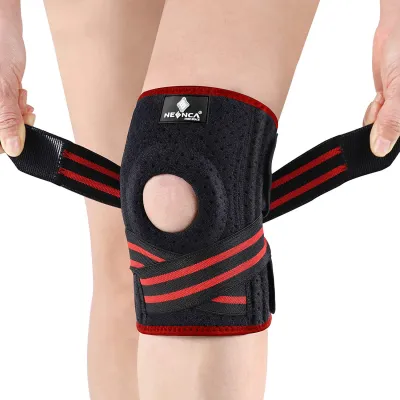
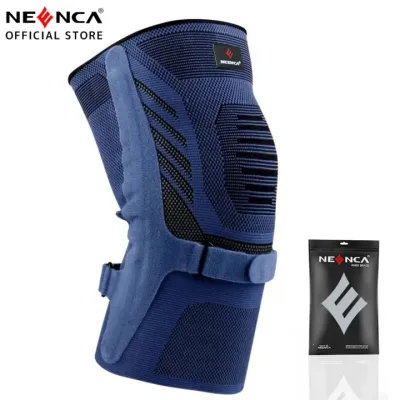
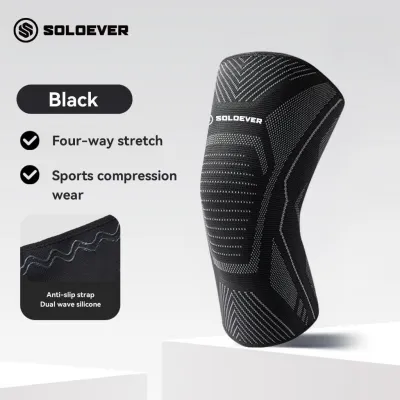
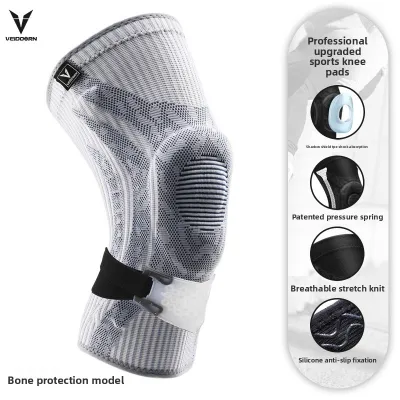
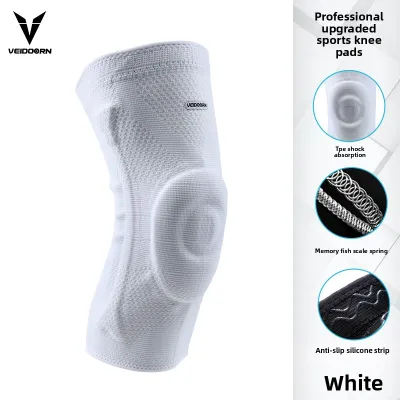
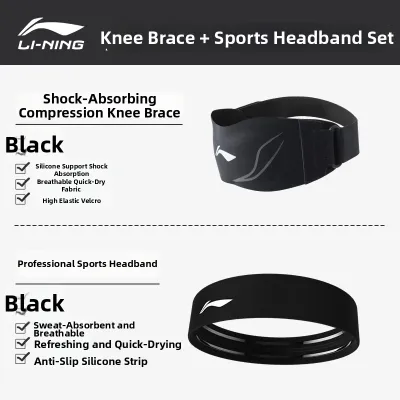
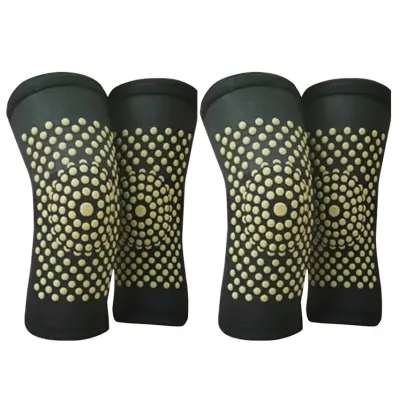
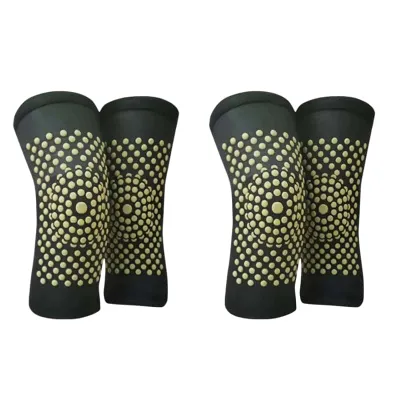
Prices are valid at publication and may change. Please refer to the product page for the latest price.
Localized pain, particularly a sharp or aching sensation directly below the kneecap, usually indicates tendon strain. This discomfort is highly specific and tends to flare up during high-impact activities like running, jumping, or descending steep hills. Pinpointing these triggers helps you categorize your pain into general soreness, structural instability, or localized tendon issues, which directly dictates the type of support you need.
Knee Sleeves: Best for Compression and Mild Soreness
Knee sleeves are elastic, slip-on garments typically made of neoprene, knit fabric, or spandex blends. They work primarily by providing uniform compression around the entire joint, which helps retain local warmth and promotes blood circulation. This mild pressure enhances proprioception—your brain’s awareness of the joint’s position and movement—which can improve stability during basic exercises.

These sleeves are ideal for managing mild, diffuse discomfort, such as the dull ache associated with minor arthritis or general post-workout fatigue. If you experience slight swelling after a long day of walking or light jogging, a compression sleeve can help manage fluid buildup. Many fitness enthusiasts also wear them preventively during squats or lunges to keep the joint warm and responsive.
However, knee sleeves have clear mechanical limitations. They do not feature rigid structures, meaning they cannot prevent the knee from buckling, twisting, or hyperextending. If you have a torn ligament or severe joint instability, a sleeve will not provide the physical barrier needed to protect the joint from harmful lateral movements.
Knee Braces: Best for Stability and Joint Protection
Knee braces are designed to provide structural reinforcement and limit specific, potentially damaging ranges of motion. Unlike simple sleeves, braces often incorporate rigid or semi-rigid components, such as plastic or metal hinges, stays, and adjustable hook-and-loop straps. These elements physically prevent the knee joint from shifting sideways or rotating unnaturally.
A structured brace is highly suitable for individuals recovering from ligament sprains, meniscus tears, or those experiencing noticeable joint instability. If your knee feels weak or “gives out” during daily movements, a hinged brace can help keep the joint aligned. They are also commonly used during heavy lifting or high-contact sports where the risk of lateral impact or sudden twisting is elevated.
The primary trade-offs of a knee brace are its bulkier design and potential restriction of natural movement. Because they are heavier and stiffer, they can cause chafing if not fitted correctly, and wearing them unnecessarily can lead to muscle weakness over time. It is essential to select a brace that matches your specific stability needs, ensuring the hinges align perfectly with your knee’s natural pivot point.
Knee Straps: Best for Targeted Tendon Relief
Knee straps, also known as patellar tendon straps or bands, are narrow, adjustable bands worn directly below the kneecap. Instead of covering the entire joint, a strap applies focused pressure to the patellar tendon. This localized pressure slightly alters the angle at which the tendon pulls on the kneecap, redistributing the mechanical load and reducing strain during repetitive movements.
This targeted approach makes knee straps highly effective for localized pain directly below the kneecap, often referred to as runner’s knee or jumper’s knee. If your discomfort flares up specifically when running on hard pavement, jumping during sports, or walking down stairs, a strap can offer significant relief without the bulk of a full sleeve or brace.
Despite their effectiveness for tendon issues, knee straps offer no support for other areas of the joint. They do not provide compression to reduce overall swelling, nor do they offer any lateral stability to protect weak ligaments. If your pain is located on the sides or back of the knee, or if you experience joint instability, a knee strap will not address the root of the problem.
Finalizing Your Choice: Activity, Fit, and Climate
Once you have identified the correct support type, you must consider how your daily environment and physical activities will affect its performance. In warm, humid climates like the Philippines, heat and sweat accumulation can quickly lead to skin irritation, itching, or slipping. Look for supports made from breathable, moisture-wicking knit fabrics or perforated neoprene to allow heat to escape during outdoor activities.
Achieving the correct fit is critical for both comfort and effectiveness. To find your size, use a flexible measuring tape to measure the circumference of your thigh and calf at the specific distances recommended by the manufacturer’s sizing chart. A support that is too tight can restrict blood circulation and cause swelling in the lower leg, while a loose support will slide down and fail to provide the necessary compression or stability.
Consider your budget and the durability of the materials when shopping on local online marketplaces, as high-quality hinged braces or specialized tendon straps generally require a higher investment than basic compression sleeves. Investing in durable stitching, medical-grade silicone grips, and adjustable straps ensures the support retains its elasticity and stays securely in place during high-impact movements.
Safety Boundaries: When to See a Doctor
While over-the-counter knee supports are excellent tools for managing minor discomfort, they cannot replace professional medical evaluation or physical therapy. Relying on a sleeve or brace to mask severe pain so you can continue playing sports or performing heavy labor can worsen an underlying structural injury. If you experience a sudden pop, severe swelling within hours of an injury, or an inability to bear weight on your leg, seek immediate medical attention.
Other warning signs that require a doctor’s diagnosis include joint locking, where the knee physically cannot bend or straighten, visible deformities, or persistent pain that does not improve after several days of rest. A qualified healthcare professional can perform physical tests or order medical imaging to identify the exact cause of your pain and design a comprehensive recovery plan.
Frequently Asked Questions (FAQ)
Can I wear a knee sleeve or brace all day?
It is generally not recommended to wear a knee support continuously throughout the day unless specifically instructed by a healthcare professional. Prolonged, uninterrupted compression can restrict blood circulation, cause skin irritation from trapped sweat, and lead to muscle dependency, where the surrounding muscles weaken because they rely on the support. Remove the device during periods of rest, while sitting for long intervals, and always before going to sleep to allow your skin and muscles to recover.
Should I wear knee support on both legs if only one hurts?
You should primarily wear the support on the specific leg experiencing pain, instability, or recovering from an injury. Wearing a heavy brace on a healthy knee can alter your natural gait and cause unnecessary strain on your hips or lower back. However, if you are engaging in high-impact, symmetrical activities like heavy squatting or long-distance running, wearing light, preventive compression sleeves on both knees can help maintain balanced warmth and joint awareness.
How do I clean and maintain my knee support?
To prolong the lifespan of your knee support and maintain skin hygiene, check the manufacturer’s care label for specific instructions. Most fabric sleeves and straps should be hand-washed in cold water using a mild detergent to avoid breaking down the elastic fibers. Avoid using bleach or fabric softeners, and never put them in a clothes dryer; instead, lay the support flat to air-dry in a shaded, well-ventilated area away from direct sunlight and high heat.

Community discussion
Share your experience or ask a question. Comments are reviewed before publication.