
Choosing the right basketball depends heavily on where you play, how often you train, and what kind of tactile response you expect from the ball. While a basketball might look standard from a distance, the material covering its surface dictates its grip, bounce consistency, lifespan, and suitability for different courts. Understanding the fundamental differences between genuine leather, composite synthetic blends, and rubber is the first step toward making an informed purchase that matches your playing style and budget.
Each material offers distinct advantages and trade-offs that affect ball control, durability, and overall performance. Selecting the wrong material can lead to premature wear, a slippery grip, or an inconsistent bounce that disrupts your game. By evaluating how these materials behave under different conditions, you can find a ball that enhances your skills and lasts for many seasons.
Understanding Leather Basketball Materials (Full-Grain vs. Composite)
When shopping for a high-quality basketball, you will primarily encounter two types of leather: genuine full-grain leather and composite leather. Genuine full-grain leather is a premium natural material sourced from animal hides. It is the traditional standard for professional indoor leagues worldwide. This material is highly porous, exceptionally durable under the right conditions, and requires a dedicated break-in period before it reaches its optimal texture. Because of its natural properties, genuine leather is strictly designed for indoor hardwood courts.
Products mentioned in this guide
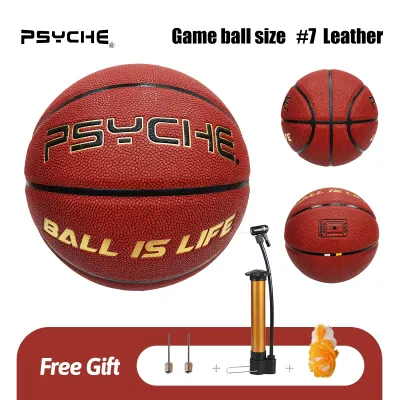
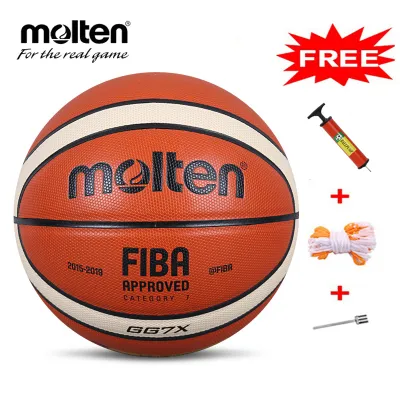
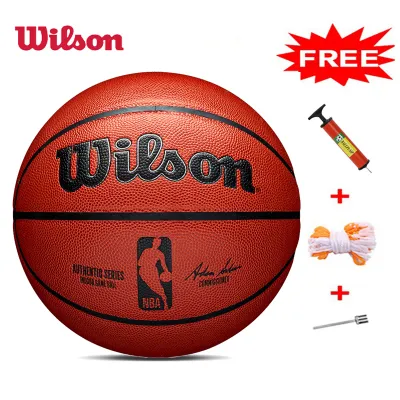
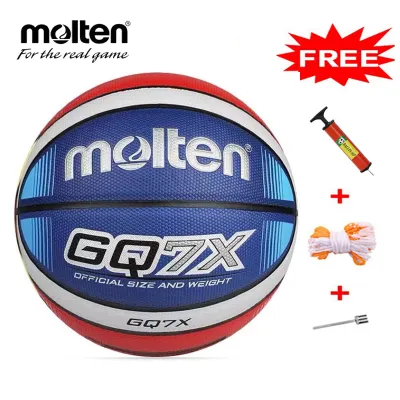
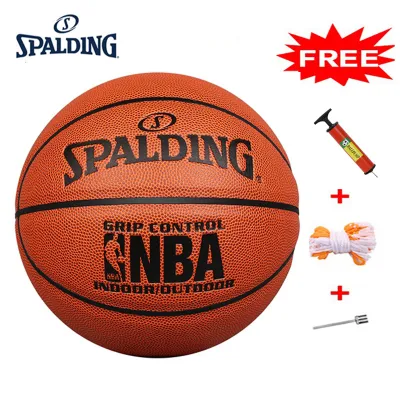
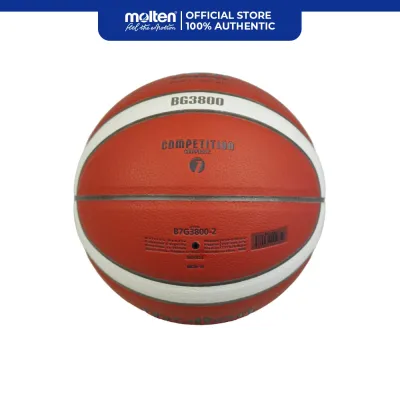
Prices are valid at publication and may change. Please refer to the product page for the latest price.
Composite leather, on the other hand, is an engineered synthetic material designed to mimic the look and feel of real leather. It is constructed by bonding a polyurethane or microfiber skin to a backing material, often incorporating leather fibers or synthetic polymers. Composite balls require virtually no break-in time, offering a soft, consistent grip straight out of the box. They are also highly versatile, with manufacturers producing specific composite blends tailored for either indoor use or hybrid indoor-outdoor play.
To ensure you get exactly what you need, always verify the material specifications before purchasing. Check the product labels, embossed text on the ball itself, packaging details, and manufacturer descriptions. Look for terms like “genuine leather” or “full-grain leather” if you want the traditional natural material, or “composite,” “synthetic,” or “microfiber” if you prefer a modern engineered alternative.
How Material Affects Grip, Feel, and Bounce
The material of a basketball directly influences how it interacts with your hands and the court surface. Moisture management is one of the most critical performance differences between these materials, especially in warm, humid tropical environments. Natural full-grain leather excels at absorbing sweat from a player’s hands during intense games. As the leather absorbs moisture, it actually becomes easier to grip, preventing the ball from slipping during passes or shots.

In contrast, rubber and lower-grade synthetic materials repel moisture rather than absorbing it. When players sweat heavily, moisture pools on the surface of a rubber ball, making it slick and difficult to control. High-quality composite leather sits in the middle; many modern composite balls feature moisture-wicking channels and advanced surface coatings designed to disperse sweat, though they do not absorb it in the same organic manner as genuine leather.
Tactile feedback and bounce consistency also vary significantly across these materials. Genuine leather offers a soft, cushioned feel that conforms slightly to your fingertips, providing precise control and a predictable, dampened bounce. Rubber balls feel much harder and more rigid, resulting in a highly responsive, sometimes erratic bounce that can feel overly lively on hard surfaces. Composite leather provides a balanced middle ground, offering a consistent, uniform bounce and a soft, comfortable grip that appeals to players of all skill levels.
Court Suitability: Indoor vs. Outdoor Performance
Matching your basketball’s material to your primary playing surface is essential to preserve the ball’s integrity and performance. Indoor hardwood courts are the ideal, and often exclusive, environment for genuine full-grain leather balls. The smooth, polished wood surface minimizes friction, allowing the natural leather to wear down evenly and develop a rich patina over time without suffering structural damage.
Outdoor courts, such as asphalt, concrete, or rough cement common in local neighborhoods, are highly abrasive. Bringing a genuine leather basketball onto these rough surfaces will ruin it rapidly. The abrasive ground scrapes away the natural outer fibers, while dirt and dust clog the pores, permanently destroying the grip and causing the seams to split. For outdoor play, rubber or heavy-duty composite balls specifically rated for outdoor use are necessary, as their tough outer shells can withstand constant friction against concrete.
Transitioning an indoor ball to an outdoor court, even for a single casual session, carries high risks of irreversible damage. Once a premium indoor leather or indoor-only composite ball is exposed to outdoor dirt, moisture, and rough surfaces, its surface texture degrades permanently. To get the most value out of your equipment, keep a dedicated indoor ball strictly for hardwood or smooth indoor courts, and use a durable rubber or outdoor composite ball for outdoor games.
Durability, Maintenance, and Break-In Period
The lifespan and care requirements of a basketball depend heavily on its construction. A brand-new genuine leather basketball requires a patient break-in process. Out of the box, new leather feels surprisingly slick, stiff, and light-colored. This is because the natural fibers are tight and may have a protective factory finish. Through regular play, the natural oils from your hands and the friction of the court break down these fibers, darkening the leather and creating a soft, tacky grip that is highly prized by competitive players.
Proper storage and cleaning are vital to maintain a leather ball’s performance. Unlike rubber, which can be easily washed with water, genuine leather must be kept away from excessive moisture, direct sunlight, and harsh chemical cleaners. To clean a leather ball, wipe it down with a damp, soft cloth and let it air dry naturally in a cool, shaded area. Store your basketball in a temperature-controlled room rather than leaving it in a hot car trunk or exposed to humid outdoor air, which can cause the leather to warp or dry out.
Durability trade-offs are clear when comparing these materials over time. Rubber balls are highly resilient and can withstand rain, dirt, and rough concrete for a long time, making them the most cost-effective option for casual outdoor play. However, on indoor courts, a properly maintained genuine leather basketball offers unmatched longevity, often lasting for years and actually improving in feel and grip the more it is played with, whereas synthetic and rubber balls gradually degrade from the moment they are first used.
How to Choose the Right Basketball for Your Needs
Selecting the right basketball requires balancing your playing environment, skill level, and budget. For players who primarily play on outdoor concrete courts, a durable rubber ball or an outdoor-rated composite ball is the most practical choice. These options are highly affordable, with quality rubber balls typically ranging from ₱500 to ₱1,500, and outdoor composite balls ranging from ₱1,500 to ₱3,000. They provide the necessary durability to handle rough surfaces without requiring meticulous maintenance.
If you play exclusively indoors and participate in competitive leagues or high-level training, investing in a premium composite or genuine leather basketball is highly beneficial. High-end indoor composite balls generally cost between ₱2,500 and ₱5,000, offering excellent grip and consistency without a lengthy break-in period. Genuine full-grain leather balls are a premium investment, often priced upwards of ₱6,000. This investment is highly justified for serious players who want the absolute standard of professional play and are committed to the proper break-in and maintenance routine.
Before making your final purchase, always perform a thorough specification check. Verify that the ball matches the official size and weight standards for your age group and league—typically Size 7 for adult men, Size 6 for women and youth, and Size 5 for younger players. Additionally, check the manufacturer’s recommended inflation pressure, usually measured in pounds per square inch (psi), and use a reliable pump and pressure gauge to maintain optimal bounce and prevent structural damage to the bladder.
Frequently Asked Questions (FAQ)
Can I use a leather basketball on an outdoor concrete court?
No, you should not use a genuine leather basketball on an outdoor concrete court. The abrasive nature of concrete and asphalt will rapidly scrape away the natural leather fibers, ruin the grip, and cause the seams to split. Additionally, outdoor dirt and moisture will clog the leather’s pores, permanently damaging its texture. For outdoor courts, choose a durable rubber ball or a composite ball specifically labeled for outdoor use.
Why does a new leather basketball feel slippery at first?
A new genuine leather basketball feels slippery because the natural fibers are tight and often coated with a protective factory finish. Unlike synthetic or rubber balls, genuine leather requires a break-in period. As you play with the ball, the friction from the court and the natural oils from your hands gradually soften the leather, wearing away the slick outer layer to reveal a soft, tacky, and sweat-absorbing grip.

Community discussion
Share your experience or ask a question. Comments are reviewed before publication.