
Selecting the ideal material for your roller skates is a pivotal decision that directly shapes your comfort, performance, and overall skating journey. The choice between genuine leather and synthetic materials is not about finding a universal winner, but rather about aligning the boot’s physical properties with your specific skating environment, frequency, and budget. While leather is celebrated for its longevity and custom-molded fit, synthetic alternatives offer immediate comfort and practical weather resistance.
For skaters navigating diverse environments—from smooth indoor rinks to humid outdoor pathways—understanding how these materials behave under physical stress is essential. Your choice will dictate how long the boots last, how much maintenance they require, and how well they support your feet during complex maneuvers. By evaluating your personal skating style against the distinct characteristics of each material, you can make an informed investment that keeps you rolling safely and comfortably.
Core Differences Between Leather and Synthetic Skate Boots
To make an informed choice, you must first understand the structural differences between genuine leather and its synthetic counterparts. Genuine leather boots are typically crafted from animal hides, categorized into full-grain or split leather. Full-grain leather retains the outer layer of the hide, offering maximum natural density, exceptional tensile strength, and a characteristic stiffness that provides robust ankle support. Split leather, often finished as suede, offers a softer initial feel while maintaining a high degree of structural integrity.
Products mentioned in this guide
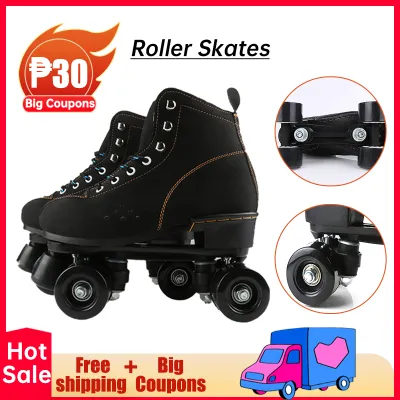
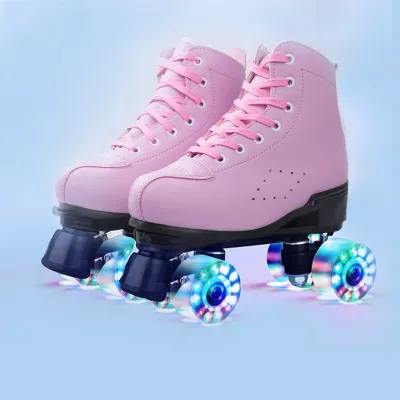
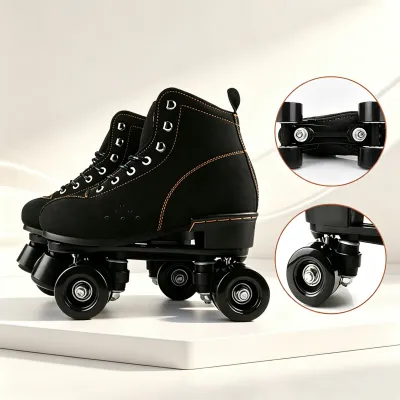
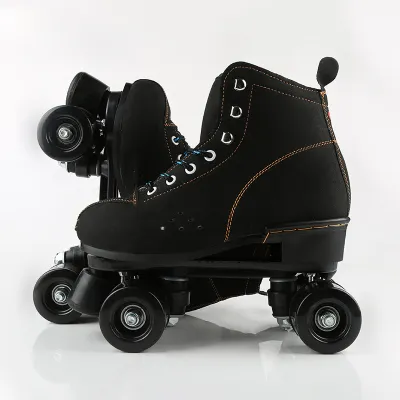
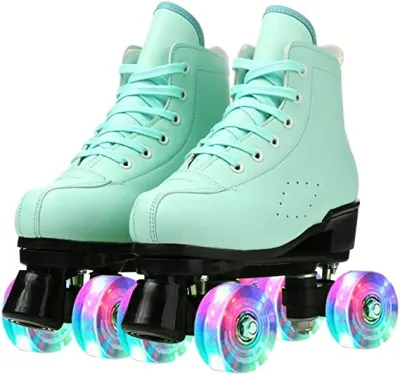
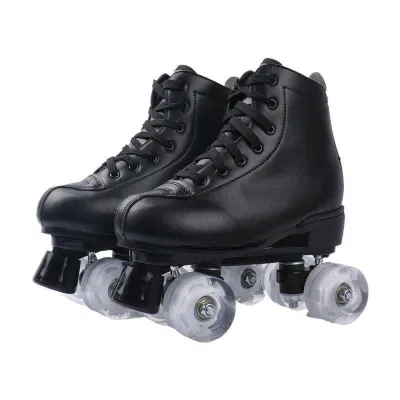
Prices are valid at publication and may change. Please refer to the product page for the latest price.
Synthetic skate boots utilize manufactured materials such as polyurethane (PU), microfiber, vinyl, or canvas. Polyurethane and vinyl are engineered to mimic the appearance of leather but lack its natural fibrous structure, resulting in a more uniform but less pliable boot. Microfiber represents a more advanced synthetic option, designed to offer a lightweight profile with enhanced tensile strength that closely rivals the supportive qualities of mid-grade leather. Canvas, on the other hand, is highly flexible and lightweight, though it offers minimal structural ankle support.
These material differences directly influence the boot’s stiffness and breathability. Leather possesses natural pores that allow heat and moisture to escape, helping to keep your feet cool during intense sessions. Synthetics vary widely in this regard; while basic vinyl boots can trap heat and moisture, high-end microfiber boots often feature engineered moisture-wicking linings and perforated panels to facilitate airflow. Skaters must verify these material specifications based on their local climate and skating intensity.
Durability and Lifespan: What to Expect Over Time
The durability of your roller skates depends heavily on where and how often you skate. Outdoor skating on rough asphalt, concrete paths, or at local skate parks exposes the boots to constant abrasion, debris, and potential scrapes. Genuine leather excels in these demanding environments because of its natural resistance to tearing and scuffing. When leather is scraped, the damage is usually cosmetic; the underlying fibers remain intact, allowing the boot to retain its structural strength over years of active use.

Synthetic materials behave differently under physical stress. While high-grade PU and microfiber can withstand moderate wear, repeated scrapes against rough concrete can cause the outer synthetic layer to peel, crack, or tear. Once the protective outer coating of a synthetic boot is compromised, the inner fabric layers are exposed to moisture and rapid degradation. Canvas boots are particularly vulnerable to tearing when subjected to the high-impact environment of a skate park, making them better suited for casual, smooth-surface cruising.
To maximize the lifespan of your skates, perform regular visual inspections of the boot’s critical stress points. Check the connection where the boot upper meets the sole, as this area experiences intense lateral force during turns and stops. Look for early signs of sole separation, loose stitching along the seams, or deep creases that could signal material fatigue. Catching these issues early allows you to seek professional repair or apply protective toe caps before the damage becomes irreversible.
Comfort, Fit, and the Break-In Period
The experience of putting on a new pair of roller skates varies dramatically depending on the boot material. Genuine leather boots are notorious for their demanding break-in period. Because natural leather is dense and stiff out of the box, it requires several hours of active skating to soften and conform to the unique shape of your foot. During this initial phase, skaters may experience temporary pressure points or minor discomfort as the leather gradually stretches and molds to the heel, arch, and ankle contours.
In contrast, synthetic skate boots generally offer immediate, out-of-the-box comfort. Materials like vinyl and soft PU do not possess the natural elasticity of leather, meaning they will not stretch or change shape significantly over time. This predictable fit is highly advantageous for skaters who want a consistent feel from day one. However, because synthetics do not custom-mold to your feet, any initial fit issues—such as pinching in the toe box or slipping in the heel—are likely to persist throughout the lifespan of the boot.
This lack of stretch makes precise sizing critical when choosing synthetic boots, especially for individuals with wide, narrow, or high-volume feet. While a leather boot can gradually expand to accommodate a slightly wider foot, a synthetic boot will remain rigid, potentially causing chronic discomfort or blisters if the fit is not perfect from the start. Always measure your feet carefully and consult the manufacturer’s specific sizing charts, paying close attention to width recommendations before making a purchase.
Maintenance, Cleaning, and Weather Resistance
Maintaining your roller skates is essential for preserving their performance, especially in tropical climates characterized by high humidity and sudden rain showers. Genuine leather requires a dedicated care routine to prevent it from drying out, cracking, or developing mold. After skating in humid conditions, leather boots must be wiped down to remove sweat and dirt, followed by the application of a specialized leather conditioner to restore natural oils. Neglecting this routine can cause the leather to stiffen and lose its structural integrity.
Synthetic boots offer a much more forgiving maintenance schedule. Because synthetic materials are non-porous, they do not absorb moisture or sweat in the same manner as leather. Cleaning a synthetic boot is typically as simple as wiping the surface with a damp cloth and mild soap to remove dirt and grime. This low-maintenance profile makes synthetics highly appealing to casual skaters who prefer a straightforward, hassle-free cleaning routine after an outdoor session.
Water resistance is another critical factor to consider when skating outdoors. Untreated genuine leather is highly sensitive to water; exposure to puddles or heavy rain can saturate the fibers, causing the boot to warp, stretch, or rot if not dried correctly. Synthetic materials, particularly vinyl and treated PU, naturally repel water, allowing you to skate through damp environments with less risk of immediate damage. Regardless of the material, always store your skates in a cool, dry, well-ventilated space away from direct sunlight to prevent mold growth and adhesive degradation.
Price Points and Long-Term Value
When evaluating the cost of roller skates, it is helpful to look beyond the initial price tag and consider the long-term value and cost-per-wear. Genuine leather skates sit firmly in the premium price bracket, with high-quality options often starting around ₱12,000 and reaching much higher for custom or professional-grade models. While this upfront investment can be substantial, the exceptional durability and rebuildable nature of leather boots mean they can last for many years, making the cost-per-wear highly economical for dedicated, frequent skaters.
Synthetic roller skates dominate the entry-level and mid-range markets, with many reliable options available under ₱6,000. This lower price point makes synthetics the logical choice for beginners who are still exploring the sport, casual recreational skaters who only roll a few times a month, or rapidly growing children who will outgrow their boots within a season. Investing in a premium leather boot makes little financial sense if the skates will spend most of their time stored in a closet.
Ultimately, the best financial value depends on your skating frequency and commitment. If you plan to skate multiple times a week, practice high-impact maneuvers, or participate in structured disciplines like roller derby or artistic skating, the durability of leather justifies the higher initial cost. If your goal is casual weekend cruising along smooth park paths, a well-constructed synthetic boot offers excellent performance and enjoyment without straining your budget.
Final Verdict: Matching Material to Your Skating Style
To choose the right roller skate material, you must weigh your personal skating habits, budget, and maintenance preferences against the unique characteristics of leather and synthetics. There is no single correct choice, but rather a best fit for your specific lifestyle.
Choose leather if you:
- Skate frequently and require a boot that can withstand intense, long-term wear.
- Prioritize a custom, glove-like fit and are willing to navigate a temporary break-in period to achieve it.
- Need maximum structural ankle support for advanced maneuvers, jumps, or technical footwork.
- Are committed to a regular maintenance routine, including conditioning and proper storage, to preserve your investment.
Choose synthetic if you:
- Are a beginner or casual skater looking for an affordable entry point into the sport.
- Prefer immediate, out-of-the-box comfort without a lengthy break-in process.
- Skate in damp, humid, or unpredictable outdoor environments where water resistance is a priority.
- Want a low-maintenance boot that requires only a quick wipe-down after use.
- Prefer animal-free, vegan-friendly materials for your footwear.
Verify first before making your final purchase:
- Check the manufacturer's specific stiffness and support ratings to ensure the boot matches your skill level and skating style.
- Review the brand's sizing guide carefully, especially if you have wide or narrow feet, as synthetic boots will not stretch to fit.
- Confirm the retailer's return and exchange policies so you can test the fit at home before taking your skates to the pavement.
Frequently Asked Questions (FAQ)
Can I use leather conditioner on synthetic roller skates?
No, you should not use leather conditioner on synthetic roller skates. Leather conditioners are formulated to penetrate the natural, porous fibers of animal hide to restore moisture. Because synthetic materials like PU and vinyl are non-porous, the conditioner cannot penetrate the surface and will instead leave a greasy, sticky residue that attracts dirt and dust. To clean and protect synthetic boots, use a damp cloth with mild soap, or products specifically formulated for synthetic materials.
Are vegan leather roller skates as durable as genuine leather?
High-grade vegan leathers, such as premium microfiber, can offer impressive durability and tear resistance that closely rivals mid-grade genuine leather. However, standard synthetic options like basic PU or vinyl generally do not match the long-term lifespan of high-quality, full-grain genuine leather. Over years of heavy use, standard synthetics are more prone to creasing, cracking, and peeling at high-stress flex points, whereas genuine leather tends to soften and age gracefully.
How do I know if my skate boots are too stiff?
A boot is too stiff if it severely restricts your ability to bend your knees and ankles, causes sharp, bruising pain rather than general tightness, or cuts off circulation to your toes. While a normal break-in period involves some initial stiffness and minor discomfort, you should still be able to perform basic skating motions safely. If you experience persistent, severe pain or numbness after several sessions, the boot may be too rigid for your skill level, or the fit may be incorrect, indicating you should consider a more flexible material or a different size.

Community discussion
Share your experience or ask a question. Comments are reviewed before publication.