
Finding the right leg massage roller for yoga recovery in the Philippines requires balancing your personal practice intensity with the unique demands of a tropical climate. High humidity and warm temperatures mean that post-yoga sweat is inevitable, making material selection and hygiene just as important as firmness and texture. Whether you are flowing through a vigorous vinyasa class in Metro Manila or practicing restorative yin yoga at home, a dedicated roller helps ease muscle tension and restore flexibility. By understanding how different roller designs interact with your muscles, you can make an informed purchase that supports your long-term wellness journey.
In the local climate, muscles often feel warm and flexible quickly, but dehydration from sweating can lead to stickier fascia and a higher occurrence of deep muscle knots. This makes a structured post-yoga rolling routine essential for maintaining tissue health and preventing long-term stiffness.
Understanding Muscle Recovery Needs After Yoga
Restorative yoga focuses on passive stretching and nervous system regulation, where muscles are rarely pushed to failure. In contrast, dynamic styles like power yoga, Ashtanga, or hot vinyasa demand intense muscular endurance, leading to microscopic muscle tears and localized tightness that require active myofascial release. Choosing a roller that matches the intensity of your practice ensures you do not under-treat or over-stimulate your recovering muscles. If your routine consists mostly of gentle, meditative poses, a highly aggressive roller is unnecessary and may even cause defensive muscle guarding.
Products mentioned in this guide
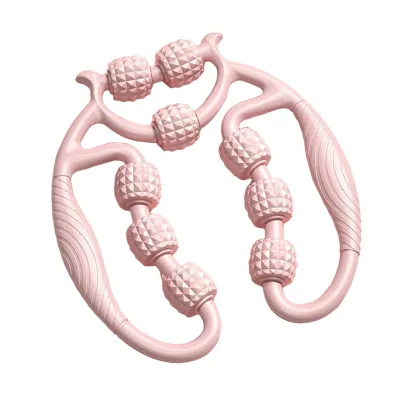
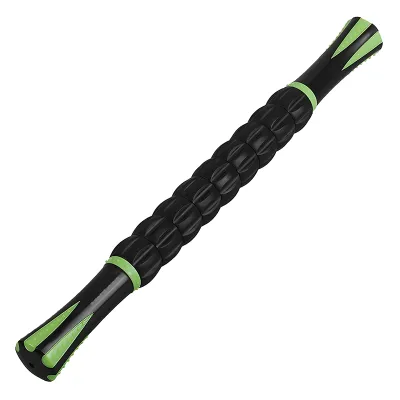
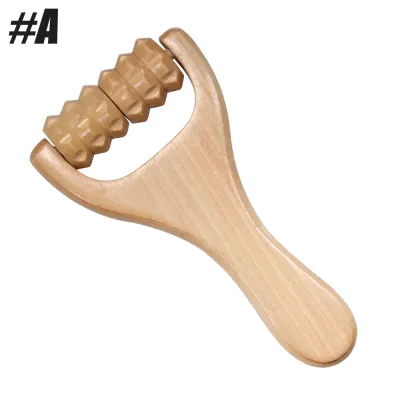
Prices are valid at publication and may change. Please refer to the product page for the latest price.
Different yoga poses target specific lower-body muscle groups that accumulate tension over time. For instance, the repetitive heel-pressing action in Downward-Facing Dog places a continuous stretch on the calves and Achilles tendons. Forward folds intensely engage the hamstrings, while deep lunges and Warrior poses require the quadriceps and hip flexors to stabilize your entire body weight. Identifying which poses dominate your practice helps you pinpoint exactly where to focus your rolling efforts, ensuring a more efficient recovery session.
Everyone experiences muscle soreness differently, meaning a roller that feels therapeutic to one yogi might cause painful bruising to another. Assessing your personal pain tolerance is a crucial first step before purchasing recovery gear. Beginners generally benefit from a gentler, more forgiving surface, while experienced practitioners with dense muscle tissue often require deeper, more direct pressure to achieve relief. Pushing past your pain threshold can cause your muscles to tense up, which completely defeats the purpose of myofascial release.
Core Selection Criteria for Leg Massage Rollers
The physical dimensions of a leg roller dictate where and how you can use it. Full-length rollers measuring 36 inches are highly stable and versatile for home use, allowing you to roll out both legs simultaneously or support your entire spine. However, if you regularly commute to a local yoga studio, a compact travel roller measuring 12 inches or less is far more practical to pack into a tote bag. For those navigating public transportation in busy urban areas, a lightweight, hollow-core travel roller is significantly easier to carry than a solid, heavy-density model.

Roller density directly determines the depth of the massage and how the material responds to your body weight. Soft rollers made from low-density foam cushion the muscles, making them ideal for gentle recovery sessions or sensitive areas. High-density rollers, often constructed from molded polypropylene, do not compress under pressure, delivering a firm, intense massage that targets deep fascial layers. Choosing the wrong density can lead to an ineffective session if it is too soft, or bruising if it is too hard for your current recovery needs.
Traditional cylindrical rollers require you to support your body weight with your arms and core as you move back and forth on the floor. If you suffer from wrist fatigue or shoulder stiffness after a challenging yoga session, this positioning can be uncomfortable. Handheld massage sticks or contoured rollers offer an ergonomic alternative, allowing you to apply targeted pressure to your calves and thighs while sitting comfortably in a chair. This manual control lets you adjust the pressure instantly without putting any strain on your upper body.
Comparing Roller Textures and Surface Patterns
Smooth foam rollers provide a uniform surface that distributes your body weight evenly across the targeted muscle. This design is highly effective for general myofascial release, helping to promote blood circulation and flush out metabolic waste without causing intense localized pain. It serves as an excellent entry-level option for yoga practitioners who prefer a soothing, low-intensity recovery routine. Additionally, smooth rollers are highly recommended for sensitive areas like the IT band, where aggressive textures can easily cause irritation.
Grid rollers feature a textured surface with varying shapes, such as flat areas, tubular channels, and high ridges. These distinct zones are designed to mimic the physical sensations of a massage therapist’s hands, with the flat areas acting like palms and the ridges acting like fingers. This variation allows you to target specific trigger points and work through stubborn fascial adhesions with greater precision. By shifting your body weight slightly, you can transition from a broad, flushing stroke to a highly targeted trigger-point release.
Rollers equipped with pronounced knobs or matrix-like spikes are engineered for deep, localized pressure. These aggressive textures penetrate deep into large muscle groups, making them highly effective for releasing tension in the outer thighs, glutes, and deep calf muscles. Because of the intense pressure they generate, these rollers are best reserved for advanced users who have already built up a tolerance to standard high-density rollers. Using these highly textured models requires careful control to avoid pressing directly into nerves or bone.
Building Your Shortlist: Evaluation and Purchasing Checks
When evaluating options on online marketplaces or in local sports shops, always check the manufacturer’s specified weight capacity. Solid foam rollers can lose their shape or flatten out over time, especially under heavy daily use. Choosing a hollow-core roller reinforced with a strong plastic inner tube ensures the product maintains its structural integrity and roundness for years. If you are shopping in a physical store, try pressing your thumb firmly into the foam; a high-quality roller should offer firm resistance and spring back to its original shape immediately.
The tropical climate of the Philippines makes sweat-resistance a critical factor for any yoga accessory. Open-cell foam rollers tend to absorb moisture, which can lead to bacterial growth, unpleasant odors, and rapid material degradation in high humidity. Opt for closed-cell materials like Ethylene Vinyl Acetate (EVA) or Expanded Polypropylene (EPP), which repel sweat and can be easily wiped clean after each use. This simple material check ensures your roller remains hygienic and odor-free, even after the sweatiest hot yoga sessions.
Before finalizing your purchase, read through customer reviews to identify potential quality issues. Pay close attention to comments regarding chemical odors, as some cheap rollers emit strong off-gassing that can be highly distracting during a peaceful post-yoga recovery session. Look for feedback on whether the foam begins to peel or separate from the inner core after repeated use. A durable roller should not show signs of surface wear or structural cracking within the first few months of regular ownership.
While it is tempting to purchase the cheapest roller available, extremely low-priced options under ₱300 often use low-grade foam that deforms quickly. Mid-range rollers priced between ₱800 and ₱1,500 generally offer the best balance of durability, material safety, and comfort. Premium models exceeding ₱2,000 often feature specialized textures or reinforced cores designed to withstand heavy, long-term use. Investing a bit more upfront saves you from having to replace a flattened, worn-out roller every few months.
Safe Usage and Maintenance for Longevity
Proper technique is essential to prevent injury and ensure your recovery sessions are beneficial. Never roll directly over bony prominences, joints, or the lower back, as this can place dangerous stress on your skeletal structure and nerves. Keep the roller focused on the soft, fleshy parts of your leg muscles, and immediately stop if you experience any sharp, radiating, or numbness-inducing pain. When working on your calves or hamstrings, move slowly and mindfully, allowing the muscle tissue time to adapt to the pressure.
More is not always better when it comes to myofascial release. Limit your rolling sessions to about 10 to 15 minutes in total, spending no more than a minute or two on any single muscle group. Overworking a sore muscle can cause localized bruising, tissue inflammation, and increased muscle tightness, which ultimately defeats the purpose of your recovery routine. Consistency is far more effective than intensity; a brief, gentle daily session yields much better results than an aggressive, painful weekly session.
To keep your roller hygienic and extend its lifespan, establish a simple cleaning routine. Wipe down the surface after every use with a soft cloth dampened with mild soap and warm water. Avoid using harsh chemical solvents, bleach, or leaving the roller in direct sunlight, as extreme heat and strong chemicals can break down the foam and cause it to crumble. In the humid Philippine climate, storing your roller in a well-ventilated, dry indoor area is crucial to prevent mold and mildew from developing in the textured crevices.
Frequently Asked Questions (FAQ)
Can I use a leg massage roller immediately after a hot yoga session?
It is best to wait until your body temperature, heart rate, and blood pressure have returned to normal before using a massage roller after hot yoga. The intense heat of a hot yoga class makes your muscles exceptionally pliable, which can temporarily mask your body’s natural pain signals. Rolling too deeply during this state increases the risk of over-stretching your connective tissues or causing accidental muscle bruising.
If you want to roll immediately after class, stick to very gentle, light strokes to assist with circulation rather than deep tissue trigger-point therapy. Allow at least 30 to 60 minutes for your body to cool down fully before attempting any intense myofascial release on stubborn knots.
How do I clean a textured massage roller without damaging the surface?
Cleaning a textured roller with deep grooves or knobs requires a bit more care than cleaning a smooth one. Use a soft-bristled brush, such as an old toothbrush, along with a microfiber cloth dipped in warm water mixed with a few drops of mild dish soap. Gently scrub inside the crevices to remove accumulated sweat, skin oils, and dust without scratching the foam.
Rinse the soap away using a clean, damp cloth, and avoid submerging the entire roller in water, especially if it has a hollow core where moisture can trap. Let the roller air-dry completely in a shaded, well-ventilated indoor area before storing it away.
Is a vibrating massage roller worth the investment for yoga recovery?
A vibrating massage roller can be a highly effective tool if you experience chronic muscle tightness or have a low tolerance for traditional rolling. The rapid vibrations help to temporarily override pain signals sent to your brain, allowing you to target deep tissue knots with less discomfort. This added stimulation can also help increase local blood circulation more quickly than static rolling.
However, these high-tech rollers come with notable trade-offs, including a much higher price tag in ₱, the inconvenience of charging batteries, and a heavier weight that makes them less portable. For most casual yoga practitioners, a standard, non-vibrating high-density foam roller provides more than enough therapeutic benefit for daily recovery.

Community discussion
Share your experience or ask a question. Comments are reviewed before publication.