
Choosing the right home cardio machine is a significant step toward achieving your personal fitness goals. The ideal choice depends on your physical condition, available floor space, and the specific training outcomes you want to achieve. While LifeGear offers a diverse lineup of treadmills, spin bikes, and rowing machines, no single option is a universal solution for every household. Treadmills provide a classic, weight-bearing workout that mimics natural outdoor movement. Spin bikes offer a compact, high-intensity, low-impact alternative focused on lower-body conditioning. Rowing machines deliver a comprehensive, full-body workout that engages both the cardiovascular system and major muscle groups simultaneously.
By understanding the physiological demands of each machine and evaluating your home environment, you can make an informed decision that supports your long-term health. This guide compares these three popular categories, highlighting key specifications to verify on product listings and outlining how to choose the right equipment for your lifestyle.
Matching Your Fitness Goals to the Right Cardio Machine
To select the most effective equipment, you must first define what you want to achieve during your workouts. Each machine engages your body differently, altering the cardiovascular and muscular demands of your training sessions.
Products mentioned in this guide
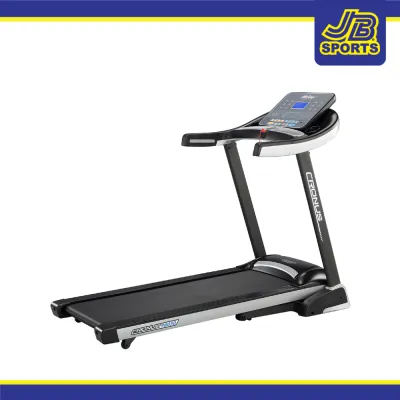
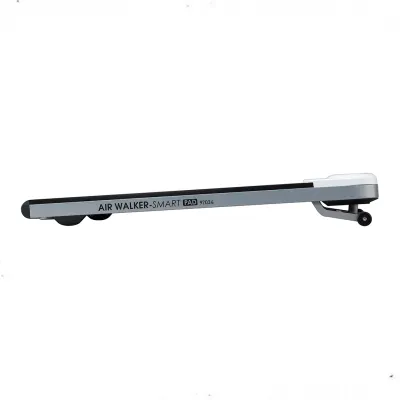
Prices are valid at publication and may change. Please refer to the product page for the latest price.
Treadmills are designed for weight-bearing exercise, which is essential for maintaining bone density and functional strength. Walking, jogging, or running on a treadmill closely replicates natural human locomotion, making it highly practical for daily functional fitness. This type of training primarily targets the calves, hamstrings, quadriceps, and glutes while requiring continuous core stabilization to maintain balance. If your primary goal is to train for outdoor running events, improve your walking endurance, or engage in steady-state cardiovascular exercise, a treadmill provides a direct path.
Spin bikes focus heavily on lower-body endurance and high-intensity interval training (HIIT). Because you are seated, the exercise is non-weight-bearing, which allows you to push your cardiovascular limits with minimal stress on your skeletal system. Cycling primarily targets the quadriceps and hamstrings, with secondary engagement of the calves and glutes. If you want to perform high-energy, rhythm-based workouts or intense interval sessions that elevate your heart rate quickly without joint fatigue, a spin bike is an excellent fit.
Rowing machines offer a unique combination of cardiovascular conditioning and resistance training by engaging a vast majority of your muscles in every stroke. Unlike running or cycling, rowing requires significant upper-body participation, targeting your upper back, shoulders, arms, and core, alongside your legs. The movement is divided into a strong leg push, a core transition, and an upper-body pull. This makes the rowing machine highly efficient for individuals who want a comprehensive, full-body workout in a single session, emphasizing muscular endurance and power output.
Space, Setup, and Daily Usability at Home
Bringing fitness equipment into a home in the Philippines requires careful consideration of your living space, local climate, and daily household routines. High humidity and typical residential layouts influence where and how you should set up your machine.

Before purchasing, verify the physical footprint and clearance requirements of each machine against your intended workout area. Treadmills require substantial floor space and a safety clearance zone of at least two meters behind the deck to prevent injuries in case of a fall. You must also calculate your ceiling height, especially if you plan to use the treadmill’s incline features, as your head will rise closer to the ceiling. Rowing machines have a long, narrow footprint that requires significant horizontal clearance, though many models can be stored vertically when not in use. Spin bikes are the most compact option, making them highly suitable for smaller apartments or shared rooms.
Power infrastructure and utility requirements vary significantly between these machines. Motorized treadmills require a dedicated electrical outlet and draw substantial power, which is an important consideration for your monthly utility bills and home electrical capacity. In tropical climates prone to sudden power fluctuations or storms, using a high-quality surge protector is essential to safeguard the machine’s console and motor. In contrast, many spin bikes and rowing machines utilize manual or magnetic resistance systems that require no external power source, or only use small batteries to power the digital monitor, offering greater placement flexibility.
Noise and vibration are critical factors if you live in a multi-story home or a high-density condominium. Treadmills generate significant impact noise from footfalls, which can easily travel through floors and disturb neighbors or family members. Using a thick, high-density rubber equipment mat is highly recommended to absorb vibrations and protect your flooring from sweat. Spin bikes with magnetic resistance are very quiet, producing only a soft hum during operation. Rowing machines vary in noise level; magnetic rowers are nearly silent, while air resistance rowers generate a steady, wind-like sound that some users find therapeutic but others may find distracting.
Storage and portability features help keep your living space functional when you are not exercising. If you use a multi-purpose room, look for treadmills with hydraulic folding mechanisms that allow the deck to fold upward safely. Ensure any machine you choose features built-in transport wheels, allowing you to roll the equipment out of the way for cleaning or to maximize floor space.
Joint Impact and Safety for Long-Term Use
Your physical history, joint health, and current fitness level should heavily influence your choice of cardio equipment. Selecting a machine that respects your body’s limitations ensures you can train consistently without injury.
Treadmills subject your joints to repetitive impact forces, particularly during running. Every footstrike sends a shockwave up through your ankles, knees, hips, and lower back. While this impact helps build bone density, it can exacerbate pre-existing joint pain or arthritis. When evaluating treadmills, it is crucial to verify the quality of the deck’s shock absorption system, which is designed to cushion the impact compared to running on concrete. If you have a history of joint issues, walking at an incline can provide a high-intensity workout with lower impact forces than flat running.
Spin bikes offer a low-impact alternative that is highly gentle on the weight-bearing joints of the lower body. Because your body weight is supported by the saddle, your knees and ankles are spared from sudden impact forces. However, improper setup can lead to overuse injuries. You must verify that the seat height, seat fore-and-aft position, and handlebar height are fully adjustable to match your body proportions. Riding with a seat that is too low or too far forward can place excessive stress on the patellar tendon, leading to knee discomfort over time.
Rowing machines provide a seated, low-impact workout that minimizes stress on your lower joints. However, rowing requires precise coordination and strict adherence to proper technique to protect your spine. The movement must initiate from the legs, transfer through a braced core, and finish with the arms. If you round your lower back or pull primarily with your upper body, you risk straining your lumbar muscles. If you have a history of chronic lower back pain or spinal disc issues, it is highly recommended to seek medical clearance and professional form instruction before adopting a rowing routine.
Critical Specs to Check on LifeGear Product Pages
When browsing specific LifeGear models on an online marketplace or official retailer site, comparing technical specifications is the most reliable way to ensure the machine fits your physical needs and performance expectations.
For treadmills, pay close attention to the motor’s Continuous Duty Horsepower (CHP) rather than the peak horsepower. The CHP rating indicates the motor’s ability to maintain a consistent speed under load during prolonged workouts. A higher CHP is generally required for running compared to walking. Additionally, verify the running belt dimensions; taller users or those with longer strides require a longer and wider deck to run comfortably without stepping off the belt. Always check the maximum user weight capacity to ensure safe operation and longevity of the motor and frame.
When evaluating spin bikes, the flywheel weight is a key indicator of ride quality. A heavier flywheel helps maintain momentum, creating a smoother, more road-like pedaling feel. You should also check the resistance mechanism. Friction resistance uses felt pads that wear down over time and require replacement, while magnetic resistance offers smooth, maintenance-free adjustments. Ensure the bike frame offers multi-directional adjustments for both the saddle and handlebars to accommodate different user heights in your household.
For rowing machines, identify the type of resistance used. Magnetic rowers provide quiet, adjustable resistance that remains constant regardless of how hard you pull. Air rowers create dynamic resistance that increases the harder you pull, mimicking the feel of water, but they generate more noise. Water rowers use an actual paddle in a water tank to provide a realistic rowing sensation and sound. Additionally, verify the monorail length to ensure it is long enough to accommodate your full leg extension, and check that the digital monitor tracks key metrics such as strokes per minute, time, and estimated distance.
Decision Framework: Choose the Right Equipment
To finalize your decision, match your household conditions and physical preferences to the strengths of each machine type.
Choose a treadmill if you prefer natural, weight-bearing movement, want to improve your walking or running endurance, and have ample floor space with high ceilings. Ensure you have a dedicated electrical outlet and a suitable surge protector to handle the power requirements in your home.
Choose a spin bike if you have limited floor space, live in a shared apartment where noise must be kept to a minimum, and want a highly effective, low-impact workout for cardiovascular health and lower-body conditioning. Verify that the model offers comprehensive seat and handlebar adjustments to ensure a proper ergonomic fit.
Choose a rowing machine if you want to maximize muscle engagement across your entire body in a single workout, prefer a seated exercise that minimizes joint impact, and have the horizontal space to accommodate a longer rail. Be prepared to dedicate time to learning and maintaining proper rowing form to protect your lower back.
Before making any purchase, verify your home’s electrical capacity, measure your available floor space including safety clearances, and consult a healthcare professional if you are managing any pre-existing joint or cardiovascular conditions.
Frequently Asked Questions (FAQ)
Can I use these machines for weight loss?
Yes, all three machines can support a weight loss program when combined with a balanced diet that maintains a caloric deficit. Weight loss is driven by consistent physical activity and overall energy expenditure rather than the specific type of equipment you use. Spin bikes and rowing machines are highly effective for high-intensity interval training, which can elevate your heart rate quickly and burn calories in shorter sessions. Treadmills are excellent for longer, steady-state cardiovascular workouts that help build endurance and burn calories over a sustained period. Choose the machine that you enjoy using most, as consistency is the most critical factor in long-term weight management.
How do I maintain a LifeGear cardio machine at home?
Regular maintenance is essential to protect your investment and ensure safe operation, especially in humid tropical climates. After every workout, use a soft, damp cloth to wipe down sweat and moisture from the handlebars, console, seat, and frame to prevent corrosion. Periodically check and tighten all bolts, screws, and pedals, as regular use can cause them to loosen over time. Keep the area around the machine free of dust and debris, which can accumulate in treadmill motors or bike flywheels. Always consult your specific LifeGear user manual for detailed instructions on belt lubrication, tension adjustments, and authorized servicing guidelines.

Community discussion
Share your experience or ask a question. Comments are reviewed before publication.