
Choosing the right race bib holder depends on your running apparel, budget, and how much you care about preserving your gear. For casual runners using standard event shirts, traditional safety pins are a functional, zero-cost option. However, if you regularly wear expensive, lightweight singlets in hot and humid tropical climates like the Philippines, mechanical clips or magnetic holders offer a damage-free alternative that prevents rust stains and fabric tears.
In high-humidity environments, heavy sweating can cause safety pins to rust or pull against wet, stretched fabric. Mechanical bib clips grip the edges of your shirt or utilize pre-existing eyelets to secure the bib without piercing the weave. Meanwhile, magnetic bib holders use powerful, lightweight magnets to sandwich the bib and fabric together, providing a flat, secure fit that eliminates bouncing and fabric damage entirely. By understanding how each attachment method performs under movement and moisture, you can select the best option to keep your race number secure from the starting line to the finish arch.
Understanding the Core Attachment Methods
Every runner is familiar with the pre-race ritual of pinning a paper or Tyvek number to their chest. The traditional safety pin remains the most common method because organizers distribute them freely with every race kit. These pins rely on physically piercing both the bib and the shirt fabric, creating small holes that can expand under the stress of running. While reliable and highly adjustable, they require careful alignment to avoid pinning the shirt closed or placing the bib crookedly.
Products mentioned in this guide
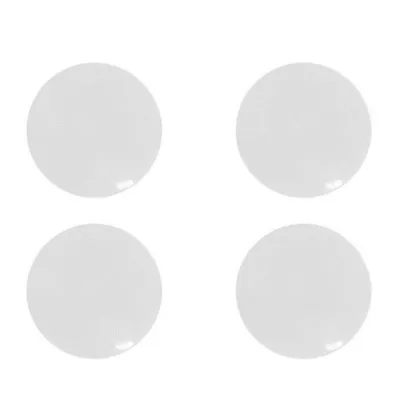
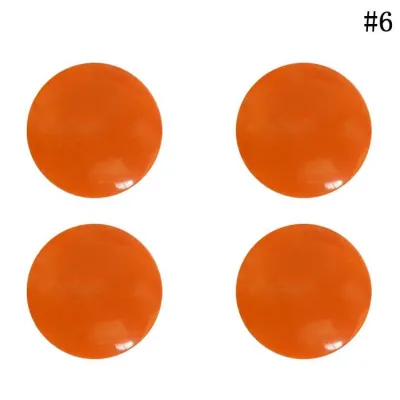
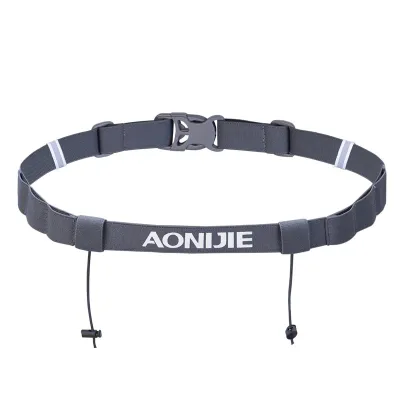
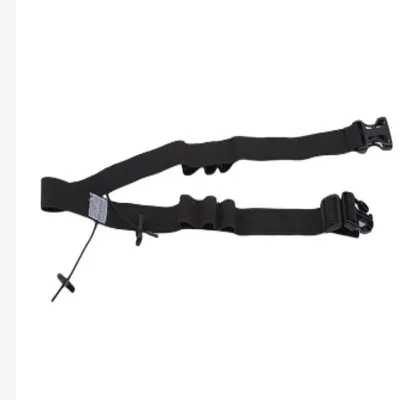
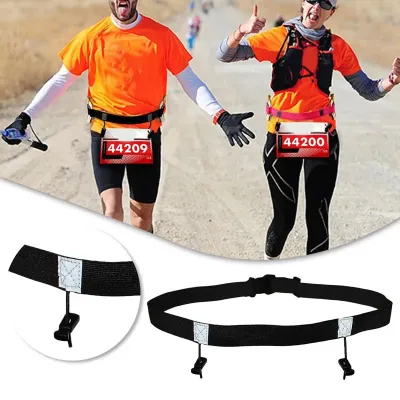
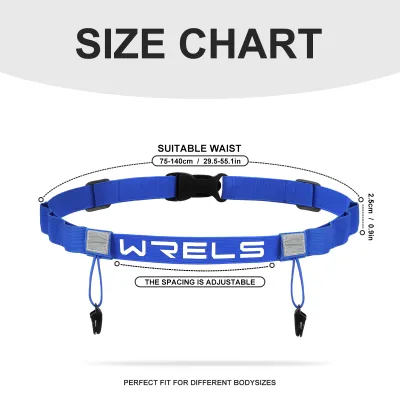
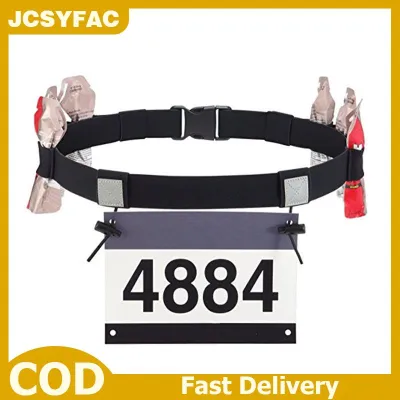
Prices are valid at publication and may change. Please refer to the product page for the latest price.
Bib clips and toggles offer a mechanical alternative designed to grip the fabric without puncturing it. Some clips function like miniature clamps that snap onto the hem or seams of your shirt, while others require you to thread the fabric through a small plastic ring and lock it with a matching plug. These devices are completely reusable and eliminate the risk of pricking your fingers on race morning. They are particularly popular among multi-sport athletes who need to transition their bibs quickly between different layers of clothing.
Magnetic bib holders represent the modern, premium approach to bib attachment. These systems consist of four pairs of small, high-strength magnets that clamp the bib to your shirt from both sides of the fabric. One magnet sits on the outside of the bib, while its partner sits directly underneath on the inside of your shirt. The magnetic attraction holds the bib firmly in place, distributing the clamping force over a wider surface area than a sharp pin, which prevents sagging and eliminates fabric stress.
Key Comparison Dimensions for Runners
When evaluating these three attachment methods, fabric protection is often the primary concern for runners who invest in high-end athletic wear. Safety pins inevitably leave permanent holes in delicate technical fabrics, and over time, these punctures can fray or run, especially when subjected to the friction of a hydration vest. Clips and magnets do not pierce the fabric, but they apply pressure in different ways. Clips rely on friction and edge-gripping, which can sometimes stretch out thin hems, while magnets distribute pressure evenly across a flat surface, making them the gentlest option for premium singlets.

Security and bounce reduction are equally critical, particularly during long-distance events like half marathons or full marathons. A flapping bib is not only distracting but can also cause chafing as it rubs against your skin. Safety pins provide a highly secure hold, but if they are not pinned flat, the bib can bubble and catch the wind. Magnetic holders offer an exceptionally flat profile that minimizes wind resistance and bounce, provided the magnets are strong enough to withstand sudden movements. Clips offer moderate security but may slide along smooth, seamless shirts if the fabric lacks texture.
Ease of use and speed of attachment can make a significant difference during the hectic minutes before a race starts. Pinning a bib straight while wearing a shirt is notoriously difficult and often requires the help of a friend. Magnetic holders are much easier to adjust on the fly, as you can slide them into position without removing your shirt. Clips fall somewhere in the middle, requiring a bit of manual dexterity to snap them onto the fabric edges or pre-punched bib holes.
| Comparison Dimension | Safety Pins | Bib Clips & Toggles | Magnetic Holders |
|---|---|---|---|
| Fabric Damage Risk | High (creates permanent holes) | Low (may stretch thin hems) | None (uses flat magnetic clamping) |
| Security & Bounce | High (rigid but can bubble) | Moderate (can slide on smooth fabric) | High (keeps bib flat and flush) |
| Ease of Adjustment | Low (requires unpinning and repinning) | Moderate (requires snapping/unsnapping) | High (easily slides into position) |
| Reusability | Low (pins bend, rust, or get lost) | High (durable plastic construction) | High (long-lasting magnetic strength) |
| Average Cost | Free (included in race kits) | Low to Moderate (reusable packs) | Moderate to High (premium accessory) |
Note: Specific weight, dimensions, and magnetic grip strength vary by brand and should be verified on individual product packaging before purchase.
Detailed Breakdown: Pros, Cons, and Best Use Cases
Safety Pins
Safety pins are the undisputed baseline of the running world because they are universally accessible and cost nothing. For runners who only participate in occasional fun runs or those who prefer to wear basic cotton or durable polyester t-shirts, safety pins are perfectly adequate. They hold the bib securely in place through wind, rain, and heavy sweat, ensuring your race number remains visible to course photographers and timing sensors throughout the event.
However, the drawbacks of safety pins become apparent when using modern, ultra-lightweight racing singlets. The sharp metal point can easily snag fine mesh weaves, leading to unsightly runs and ruined apparel. In hot, humid climates, sweat can cause cheap steel pins to rust rapidly, leaving orange stains on light-colored shirts that are difficult to wash out. Additionally, if a pin accidentally pops open during a run, it poses a risk of scratching your skin or causing painful chafing against your chest.
Bib Clips and Toggles
Bib clips and toggles provide a smart, mid-range solution for runners who want to protect their clothing without spending a fortune. Because they do not pierce the fabric, they are excellent for preserving expensive technical singlets and compression wear. Many designs utilize a simple snap-together mechanism that is easy to operate even with cold or sweaty fingers, making them highly convenient for quick adjustments in the starting corral.
The main limitation of mechanical clips is their dependence on fabric thickness and placement. Some clip designs require you to attach them to the hem or collar of your shirt, which can limit where you can position your bib. If you try to clip them to the middle of a very thin, stretchy shirt, the weight of the bib can pull the fabric downward, causing the shirt to sag uncomfortably. It is important to check the clip tension against your specific running shirt before race day to ensure they will not slip off during high-cadence running.
Magnetic Bib Holders
Magnetic bib holders are the preferred choice for competitive runners and gear enthusiasts who prioritize comfort and apparel care. By using powerful rare-earth magnets, these holders clamp the bib securely to any part of your shirt without requiring hems or seams. The resulting fit is completely flat, which improves aerodynamics and prevents the bib from catching the wind or flapping against your torso during fast workouts or races.
Despite their excellent performance, magnetic holders require a few precautions. They are heavier than safety pins or plastic clips, and while the weight is negligible for most runners, minimalists may notice the difference. You must also ensure that you store them carefully, as the small magnets can easily stick to keys or get lost in your gear bag. Most importantly, runners must verify manufacturer specifications regarding magnet strength and ensure they do not wear them near sensitive medical devices like pacemakers.
Decision Matrix: Which Holder Fits Your Running Style?
To choose the right attachment method, consider your typical running wardrobe, budget, and how often you race. If you are a casual runner who primarily participates in local community runs, wears standard event-provided shirts, and wants to avoid spending extra money on accessories, safety pins are the most practical choice. They are reliable, require no preparation, and are always available at the registration table on race morning.
If you race frequently and have a collection of favorite running singlets that you want to keep in pristine condition, investing in a set of reusable bib clips or toggles is highly beneficial. They offer a reliable, puncture-free hold at a very affordable price point. This option is ideal for runners who want a simple, mechanical solution that easily transfers from one shirt to another without any risk of fabric tearing.
For marathoners, trail runners, and those who wear high-end, delicate compression gear, magnetic bib holders offer the ultimate combination of fabric protection and comfort. They keep the bib perfectly flat against your body, eliminating the distraction of bouncing or chafing over long distances. While they represent a higher initial investment, their durability and ease of adjustment make them a worthwhile addition to a dedicated runner’s gear kit.
Before making your final choice, always perform a few quick safety and compatibility checks. If your race uses a bib with an integrated timing chip, ensure that your chosen holder does not cover or compress the sensor strip. If you choose magnetic holders, verify that you do not have any medical implants that could be affected by magnetic fields, and always follow the manufacturer’s guidelines for safe handling and storage.
Practical Tips for Race Day Attachment
Proper bib placement is essential for ensuring that your race time is recorded accurately and that you look good in your race photos. Always position your bib flat on your torso, making sure not to cover any integrated timing chips, barcodes, or sponsor logos. Covering these elements can interfere with the electronic timing mats at the start and finish lines, potentially resulting in a missing or inaccurate race time.
When securing your bib, pay close attention to the tension of the fabric. If you pull the shirt too tight while attaching the holder, the bib will buckle and flap when you start running. Conversely, if the attachment is too loose, the bib will sag and pull your neckline down, causing discomfort. Try putting your shirt on first, then have a friend help you position the bib, or lay the shirt flat on a table and secure the holders while keeping the fabric naturally relaxed.
Finally, always check your garment’s care label and fabric thickness before applying any clips, clamps, or pins. Extremely delicate mesh or seamless shirts may require extra care, even when using magnetic holders. If you notice any fabric stretching or indentation during a quick test run at home, adjust the placement or switch to a lighter attachment method to prevent irreversible damage to your favorite running gear.
Frequently Asked Questions (FAQ)
Can magnetic bib holders interfere with race timing chips?
Most modern race timing chips utilize passive Radio Frequency Identification (RFID) technology, which is generally unaffected by the small, low-power magnets used in commercial bib holders. The magnetic field from these holders is not strong enough to disrupt the radio signals transmitted between the chip and the timing mats on the ground. However, to ensure complete reliability, you should avoid placing the magnets directly on top of the timing strip or foam spacer on the back of your bib. Always check the specific race organizer’s instructions to confirm compatibility before heading to the starting line.
How do I prevent my race bib from tearing during a long run?
To prevent your race bib from tearing, especially during long-distance events or in windy conditions, avoid using safety pins on lightweight or fragile bib materials. Using magnetic holders or plastic clips distributes the pulling force over a larger surface area, significantly reducing the risk of the bib ripping off. If safety pins are your only option, you can reinforce the corners of the bib by applying a small piece of clear packing tape or duct tape to the back of each corner before piercing it. Additionally, make sure to use the pre-punched holes in the bib if they are provided, as these are designed to handle the tension better than a fresh puncture.
Are there DIY alternatives to commercial race bib holders?
If you want to avoid safety pins but do not have commercial clips or magnets on hand, there are a few simple DIY workarounds you can use. Small binder clips from an office supply store can be clamped onto the bottom hem of your shirt to hold a bib, though they can feel heavy and bounce during a run. Another option is to loop small hair ties or elastic bands through safety pins, allowing the pins to attach to your shorts or hydration vest straps rather than directly piercing your shirt. While these temporary solutions can work in a pinch, they generally offer less security, a bulkier profile, and a higher risk of chafing compared to purpose-built running gear.

Community discussion
Share your experience or ask a question. Comments are reviewed before publication.