
Paddling through the scenic waterways of the Philippines—whether navigating the coastal swells of Batangas, exploring the quiet mangrove channels of Siargao, or cruising across the expansive waters of Laguna de Bay—comes with the inevitable challenge of managing water inside your vessel. Whether from sudden tropical downpours, wind-driven spray, or a minor hull leak, water accumulation threatens your stability and safety. Choosing the right bilge pump is one of the most critical gear decisions you will make to keep your watercraft buoyant and manageable.
The choice between a manual and an electric bilge pump depends entirely on your watercraft type, trip duration, and existing onboard power. Manual bilge pumps are highly recommended for small, unpowered kayaks, sit-inside designs, and short day trips due to their extreme portability and zero reliance on batteries. Conversely, electric bilge pumps are better suited for larger inflatable boats, rigid-hulled inflatable boats (RIBs), or long-distance expeditions where a 12V marine battery is already integrated into your equipment setup. Neither option is universally superior; the ideal choice is the one that aligns with your specific boating environment and physical capabilities.
Core Differences: How Manual and Electric Bilge Pumps Work
To choose the best system for your adventures, it is essential to understand the mechanical principles that govern how these two pump types operate.
Products mentioned in this guide
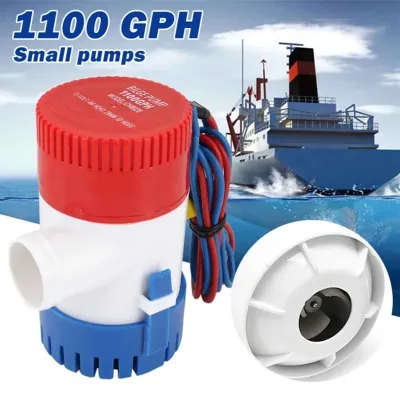
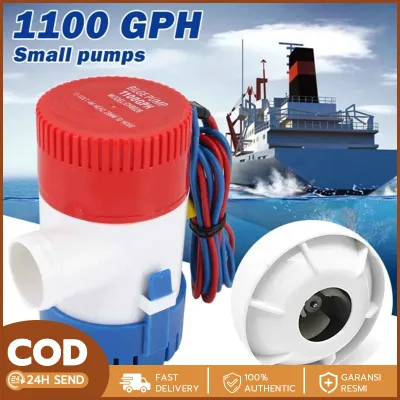
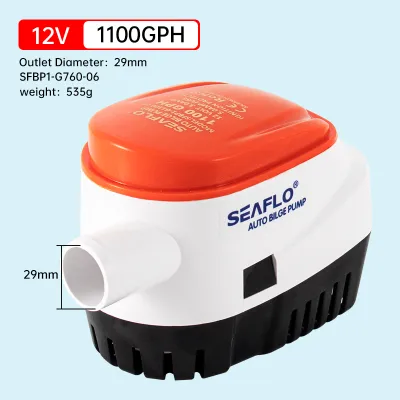
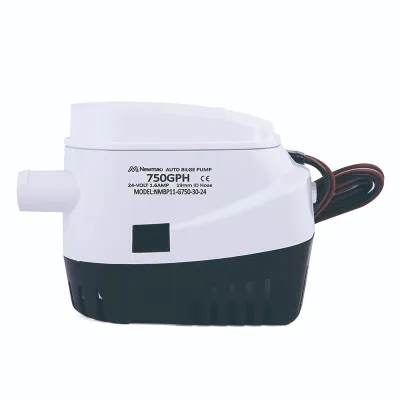
Prices are valid at publication and may change. Please refer to the product page for the latest price.
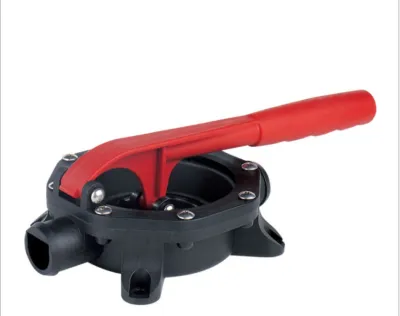
Manual bilge pumps are hand-operated piston or diaphragm devices, with many modern designs utilizing a double-action stroke. A double-action pump draws water into the chamber and expels it simultaneously on both the upward pull and the downward push, maximizing the volume of water moved with every movement. These units are completely self-contained and rely entirely on your physical effort to generate the suction required to lift water out of the hull and discharge it over the side via a flexible hose.
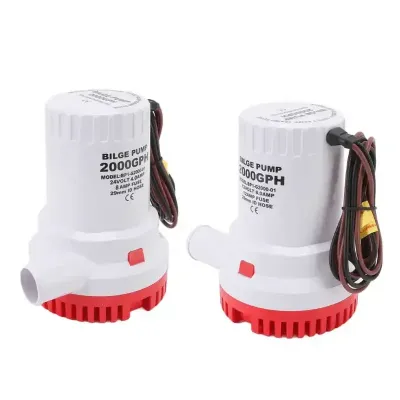
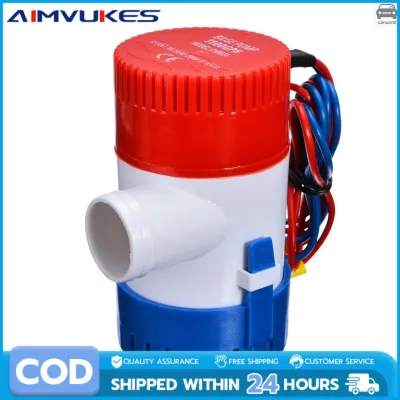
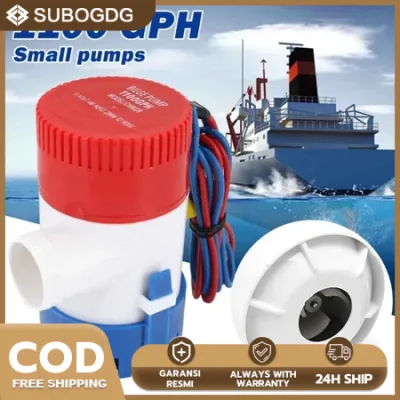
Electric bilge pumps are submersible, motorized units designed to run on a 12-volt direct current (DC) electrical system. They feature an internal electric motor that spins a high-speed impeller, creating centrifugal force to push water through the pump housing and out of the discharge port. These pumps are typically controlled by a manual dashboard switch, an automatic float switch that activates when water reaches a certain level, or a combination of both. Because they run on electricity, they require a continuous connection to a compatible battery source.
Key Comparison Dimensions for Kayaks and Inflatable Boats
To evaluate how these systems perform in real-world scenarios, we must examine several critical performance and practical dimensions.

Pumping Capacity and Water Removal Speed
The speed at which a pump can evacuate water from a flooded hull is a primary safety consideration, particularly when you are dealing with a sudden breach or heavy waves. Electric bilge pumps are rated by their flow rate, measured in Gallons Per Hour (GPH). Standard recreational marine sizes typically range from 350 GPH to 1,100 GPH. Because the electric motor runs at a constant, high-speed rate, it delivers a steady and high-volume flow of water without requiring any physical effort from you, allowing you to focus your attention on steering, paddling, or maintaining balance in rough water.
Manual bilge pumps, on the other hand, are limited by human physical capacity and endurance. While a high-quality manual hand pump can theoretically move between 5 to 10 gallons of water per minute (equivalent to 300 to 600 GPH) under vigorous operation, maintaining this rate is physically exhausting. In a high-stress emergency, muscle fatigue sets in rapidly, and your pumping speed will naturally decline. Furthermore, operating a manual pump requires you to stop paddling or navigating, which can leave your watercraft drifting helplessly in hazardous conditions.
Power Dependency and Battery Requirements
The absolute independence of manual pumps is their greatest strength. Because they require no electrical power, manual pumps are completely unaffected by dead batteries, water-damaged electronics, or corroded wiring. This makes them exceptionally reliable in remote, isolated environments where help is far away and equipment failure is not an option. For solo kayakers or packrafters, a manual pump provides peace of mind, knowing that it will function instantly regardless of how wet or cold the conditions become.
Electric pumps introduce a complex layer of power dependency. To operate an electric bilge pump, you must carry a dedicated 12V marine battery, such as a sealed lead-acid (SLA) battery or a lightweight lithium iron phosphate (LiFePO4) battery pack. This power source must be housed in a robust, waterproof battery box to protect it from splashing water and corrosive salt spray. Additionally, you must run marine-grade wiring from the battery to the pump and switch, creating multiple potential failure points if the connections are not perfectly sealed against the high humidity and salty air common in tropical climates.
Weight, Storage, and Portability
On small watercraft like kayaks and inflatable boats, every square centimeter of space and every gram of weight matters. Manual hand pumps excel in this category due to their compact, streamlined, and lightweight designs. Most manual pumps weigh less than a kilogram and can be easily stashed under deck bungee cords, tucked inside a dry bag, or lashed securely next to your seat. Their portability makes them incredibly easy to transfer between different vessels or pack away when not in use.
Electric bilge pump setups are significantly bulkier and heavier. The pump itself is relatively small, but the accompanying battery, waterproof box, wiring looms, and mounting hardware add substantial weight—often several kilograms. For a lightweight inflatable kayak or a packraft, this extra weight can negatively affect the vessel’s draft, speed, and maneuverability. However, on larger inflatable boats, rigid transoms, or motorized dinghies, there is usually ample space and load capacity to accommodate an electric setup without compromising performance.
Reliability and Maintenance Needs
The simplicity of a manual pump translates directly to long-term reliability. With very few moving parts, there is very little that can go wrong with a manual hand pump. The primary components that require attention are the internal O-rings, plunger seals, and one-way valves. Over time, these rubber components can dry out or become abraded by sand and salt crystals. Maintenance is straightforward and can be performed in minutes, requiring only a thorough rinse with clean fresh water after use and an occasional application of silicone grease to keep the seals pliable.
Electric bilge pumps require a more rigorous and consistent maintenance routine due to their mechanical and electrical complexity. The spinning impeller is highly susceptible to clogging from debris, sand, seaweed, or fishing line, which can lock the motor and cause it to burn out. Additionally, electrical connections are prone to corrosion, and float switches can become stuck in either the “on” or “off” position due to grime accumulation. Regular inspections are mandatory; you must clean the intake strainer, verify that the wiring terminals are clean and tight, test the switch mechanism, and keep the battery fully charged and maintained.
Manual vs Electric Bilge Pump: Feature Comparison Table
| Feature | Manual Bilge Pump | Electric Bilge Pump |
|---|---|---|
| Power Source | None (Human-powered) | 12V Marine Battery |
| Ideal Watercraft | Small kayaks, packrafts, canoes | Inflatable boats, RIBs, motorized vessels |
| Setup Complexity | Extremely low (Ready to use) | Moderate to high (Requires wiring and mounting) |
| Weight & Portability | Lightweight, highly portable | Heavy, bulky battery and wiring required |
| Maintenance Focus | Simple freshwater flush and seal lubrication | Regular electrical checks, impeller cleaning, battery charging |
| Best Use Case | Short trips, unpowered boats, emergency backup | Long expeditions, motorized boats, hands-free operation |
How to Choose Based on Your Boating Style
Selecting the right pump requires evaluating your specific watercraft, typical paddling environments, and physical capabilities.
Choose a Manual Bilge Pump if:
- You paddle a sit-inside kayak or a small packraft: These compact vessels have limited deck space and weight capacity, making a lightweight manual pump the most practical choice.
- You prioritize minimalist, reliable gear: If you prefer to avoid the hassle of charging batteries, managing wires, and worrying about electrical failures, the simplicity of a hand pump is unmatched.
- You go on short day trips or calm-water excursions: For recreational paddling on sheltered lakes, slow-moving rivers, or calm bays, a manual pump is more than adequate to handle minor splashes.
- You need an affordable safety solution: Manual pumps are highly cost-effective and require no additional purchases like batteries or waterproof boxes.
Choose an Electric Bilge Pump if:
- You operate a larger inflatable boat or RIB: These vessels have larger bilge areas that can hold significant amounts of water, making manual bailing extremely tedious and exhausting.
- You already have a 12V battery system onboard: If your boat is equipped with a battery for a trolling motor, fish finder, or navigation lights, integrating an electric pump is highly efficient.
- You embark on multi-day expeditions or open-ocean crossings: When navigating challenging coastal waters where weather conditions can deteriorate rapidly, hands-free water removal is a critical safety feature.
- You fish or navigate solo in rough conditions: An electric pump allows you to clear water from the hull while keeping both hands firmly on your paddle, oars, or motor tiller to maintain control of your vessel.
Verify first if:
- Your watercraft has self-draining features: Many modern sit-on-top kayaks and inflatable boats feature built-in scupper holes or transom drain plugs. If your boat drains itself efficiently while in motion, you may only need a simple manual pump or sponge for minor pooling.
- Your inflatable boat's floor valves are clear: Ensure that your boat's self-bailing valves are functioning properly and free of debris, as this can eliminate the need for continuous pumping during normal recreational use.
Installation and Setup Considerations
Properly installing and securing your bilge pump ensures that it will perform reliably when an emergency arises.
For manual bilge pumps, the setup process is simple but requires strategic placement. Ensure that your pump’s discharge hose is long enough to route water completely over the gunwale of your kayak or the inflatable tubes of your boat. Store the pump in a highly accessible location where you can reach it instantly from your seating position. Many kayakers secure their hand pump under deck bungees directly in front of the cockpit, while inflatable boat users often lash it to a seat frame or store it in an easily accessible bow bag.
For electric bilge pumps, the installation is more involved and must be executed with precision to withstand the harsh marine environment. Mount the pump at the lowest point of the bilge or floor where water naturally accumulates. Use high-quality, marine-grade tinned copper wire to resist corrosion, and seal all electrical connections with adhesive-lined heat shrink tubing to prevent water intrusion. Always install an appropriate inline fuse close to the positive battery terminal to protect the pump’s motor from electrical surges. Secure your 12V battery inside a rugged, waterproof battery box, and fasten the box securely to the boat’s deck or frame to prevent it from shifting or tipping over in rough water.
Safety Warning: Always strictly follow the manufacturer’s wiring diagrams, voltage requirements, and fuse ratings. If you are unsure about marine electrical installations, consult a qualified marine professional to perform the wiring. Incorrect connections can lead to short circuits, equipment damage, or electrical fires, which are exceptionally dangerous when you are out on the water.
Frequently Asked Questions (FAQ)
Do I need a bilge pump for a sit-on-top kayak?
Sit-on-top kayaks are generally designed to be self-draining through built-in scupper holes, which allow water that splashes onto the deck to drain out naturally via gravity. Under normal recreational conditions, a bilge pump is not necessary for these vessels. However, if you choose to plug the scupper holes to keep your cockpit dry, or if you plan to paddle in highly turbulent, choppy waters where waves constantly flood the deck faster than the scuppers can drain, carrying a manual hand pump is an excellent safety precaution to quickly clear standing water.
Can I use a manual hand pump as a backup for my electric pump?
Yes, keeping a compact manual hand pump or a large marine sponge onboard as a backup is highly recommended for any boater relying on an electric system. Electric bilge pumps are vulnerable to unexpected failures, such as a drained battery, blown fuse, corroded wire, or an impeller jammed by debris. Having a manual backup ensures that you can still clear water from your hull and maintain stability, allowing you to safely navigate back to shore even if your primary electrical system fails completely.
How do I prevent my bilge pump from clogging?
To prevent your bilge pump from clogging, always ensure that your electric pump is fitted with a clean strainer or filter base, and regularly inspect the intake area to clear away sand, leaves, seaweed, or fishing line. For manual pumps, get into the habit of flushing the internal chamber with clean, fresh water after every outing, especially if you have been paddling in sandy, muddy, or salty coastal waters. This simple step prevents abrasive particles from wearing down the internal rubber seals and keeps the one-way valves operating smoothly.

Community discussion
Share your experience or ask a question. Comments are reviewed before publication.