
Finding the right Arena goggles for swimming depends entirely on where you swim and what you aim to achieve in the water. Arena designs its eyewear across distinct categories—primarily training, open water, and racing—each prioritizing different balances of comfort, field of vision, and hydrodynamics. Whether you are looking at entry-level options around ₱1,000 or high-performance racing models over ₱3,000, matching the goggle’s physical characteristics, such as lens tint, gasket softness, and profile height, to your specific swimming environment is key to a leak-free swim.
Define Your Primary Swimming Environment
Categorizing your primary swimming activity is the first step to narrowing down your options. Different environments demand specific design priorities to ensure your goggles perform reliably.
Lap Swimming and Pool Training: Focus on comfort and durability. In the Philippines, many lap swimmers train in outdoor pools exposed to the elements or indoor facilities with varying chlorine levels. For these long, repetitive sessions, comfort is paramount. Look for Arena models designed for fitness and training, which typically feature thicker, hypoallergenic liquid silicone gaskets. These soft seals distribute pressure evenly around the orbital bone, preventing the deep, painful red rings that can form during an hour-long workout.
Products mentioned in this guide
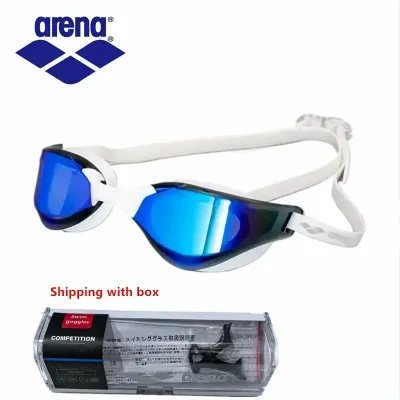
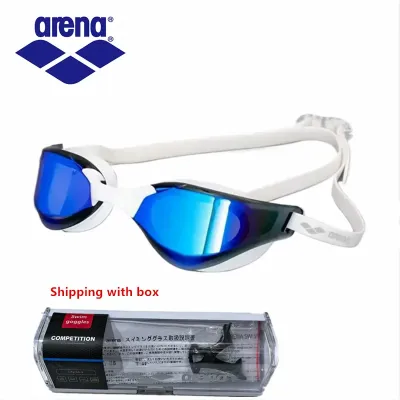
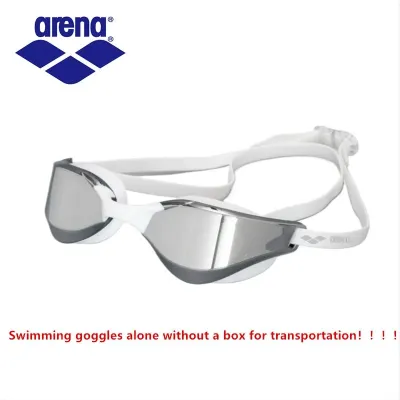
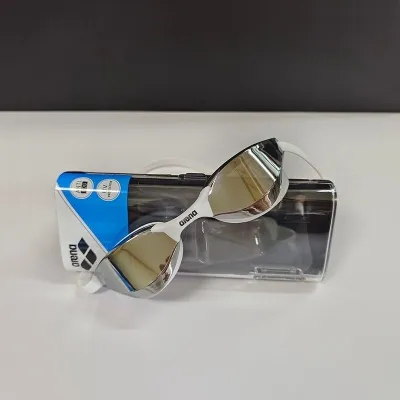
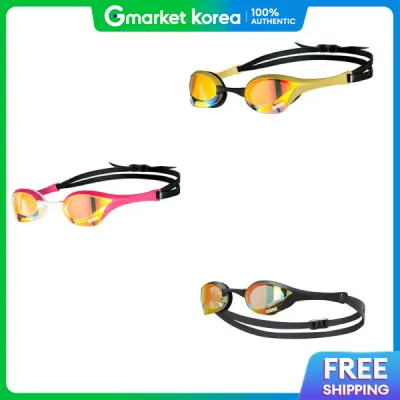
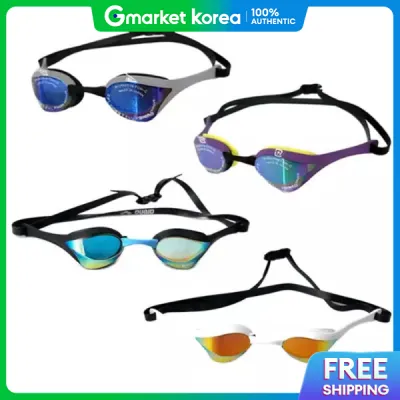
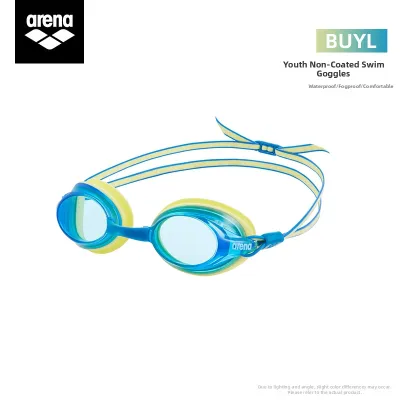
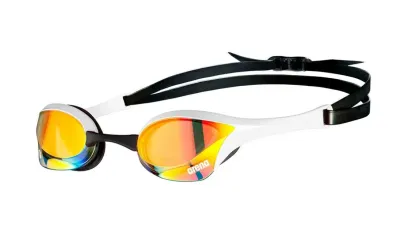
Prices are valid at publication and may change. Please refer to the product page for the latest price.
Open Water Swimming: Focus on visibility and security. Swimming in the sea or open lakes presents unique challenges, such as navigating waves, sighting landmarks, and dealing with intense tropical sunlight. Open-water goggles require a wider frame to maximize peripheral vision, allowing you to spot buoys and other swimmers without turning your head excessively. They also need robust UV protection and secure, easily adjustable strap systems to handle sudden waves.
Competition and Racing: Focus on hydrodynamics. When every millisecond counts on the starting block, racing goggles prioritize an ultra-low-profile design that sits tightly within the eye socket to minimize water resistance. These models feature rigid, minimal gaskets—or sometimes no gasket at all—to keep the lenses as close to the face as possible. While this streamlined shape is excellent for reducing drag during explosive starts and fast turns, it sacrifices long-term cushioning.
Match Goggle Features to Your Activity Needs
Once you have identified your primary swimming environment, you can look for specific technical features and label claims that align with those needs.

Lens Tints and Coatings: The choice of lens tint directly affects your visibility and eye comfort. If you swim primarily in outdoor pools under the bright midday sun or in open water, mirrored or polarized lenses are highly beneficial. Mirrored coatings reflect harsh light away from your eyes, while polarized lenses filter out the blinding glare bouncing off the water’s surface. Conversely, if you train in indoor pools or during early morning or evening hours, clear or light-tinted (such as blue or yellow) lenses are preferable. These allow maximum light transmission, helping you see the pool lines and pace clocks clearly in low-light conditions.
Gasket Materials and Profiles: The gasket is the critical interface between the goggle and your skin. Arena utilizes various silicone formulations to balance seal reliability with comfort. Low-profile racing gaskets are typically made of harder, high-density silicone or thermoplastic elastomer (TPE). This rigidity prevents the gasket from distorting under high water pressure during dives, maintaining a watertight seal at high speeds. For daily fitness swimming, look for soft, flexible gasket materials that mold easily to diverse facial contours with minimal strap tension.
Field of Vision: The physical shape of the lens dictates how much of your surroundings you can see. Racing goggles often feature tilted or streamlined lenses that optimize forward and downward vision—crucial for maintaining proper head alignment and spotting the pool floor—while narrowing lateral vision to keep the design compact. Open-water and triathlon-specific models feature curved, panoramic lenses. This curved geometry expands your lateral field of view, making it much easier to sight landmarks or navigate around other swimmers in crowded race starts without disrupting your stroke rhythm.
Evaluate Fit, Adjustability, and Comfort
Even the most advanced goggles will fail if they do not fit your unique facial structure. Taking the time to evaluate fit and adjustability before your first swim prevents leaks and discomfort.
Nose Bridge Adjustability: No two faces are identical, and the distance between your eyes plays a massive role in whether a goggle will leak. Many Arena models come with interchangeable nose bridges of varying lengths (typically labeled small, medium, and large) or a self-adjusting, flexible nose bridge. When trying on goggles, ensure the nose piece does not pinch the bridge of your nose or pull the lenses too close together, which can cause the outer edges of the gaskets to lift and let water in.
Strap Configurations: The strap system keeps the goggles secure, but its design should match your activity level. Single-strap systems with quick-adjust buckles are highly convenient for casual lap swimmers who want to make rapid adjustments on the pool deck. However, for competitive starts, flip turns, or rough open-water swims, a split-strap or dual-strap design is highly recommended. By positioning one strap high on the crown of your head and the other lower down, you distribute the tension more securely, preventing the goggles from shifting or flipping down when you hit the water.
The Suction Test: Before committing to a purchase, always perform a dry-face suction test to verify the fit. Gently press the goggle lenses against your eye sockets without putting the strap over your head. If the goggles stick to your face for a few seconds through a light, natural vacuum seal, it indicates that the gasket shape is compatible with your facial structure. If they fall off immediately or require hard pressing to stick, the frame shape or nose bridge width is likely incorrect for your face, and they will likely leak once you enter the water.
Care and Maintenance for Different Environments
Chlorine, salt, and sweat are highly corrosive to the delicate materials used in swimming goggles. Proper maintenance is essential to extend the lifespan of your gear, especially in tropical climates.
Post-Swim Rinsing: After every swim, rinse your goggles thoroughly in clean, cool, fresh water. This is especially critical in tropical climates where salt buildup from ocean swims or sweat from high humidity can quickly degrade the silicone gaskets and strap. Avoid using hot water, dish soap, or abrasive detergents, as these can strip away protective coatings and dry out the silicone.
Protecting Anti-Fog Coatings: The inner surface of Arena goggle lenses is treated with a specialized anti-fog coating. This layer is incredibly delicate. Never wipe, rub, or touch the inside of the lenses with your fingers, a towel, or a microfiber cloth. Even a gentle wipe can scratch or completely rub off the anti-fog treatment, leading to permanent fogging issues. Simply rinse the goggles and allow them to air dry completely in a shaded area.
Proper Storage: Leaving your goggles loose in a swim bag or exposed to the elements is a quick way to ruin them. High temperatures and direct sunlight—common hazards in the Philippines—can warp silicone gaskets, crack straps, and yellow clear lenses. Always store your dry goggles in a hard protective case or a soft breathable pouch. Keep them out of direct sunlight, and avoid leaving them inside a hot car or a damp, unventilated gear bag where mold and heat damage can occur.
Frequently Asked Questions (FAQ)
Can I use competition-style goggles for everyday lap swimming?
While you can wear competition goggles for daily lap swimming, it is generally not recommended for long sessions. Racing goggles feature a very low profile and rigid, narrow gaskets designed to minimize drag during short races. When worn for extended training sessions, this rigid design can put intense pressure on the delicate bones around your eyes, leading to discomfort, headaches, and deep red marks. For daily fitness and lap swimming, a dedicated training goggle with a softer, cushioned silicone gasket will provide a much more comfortable and enjoyable experience.
How do I restore the anti-fog coating on my Arena goggles?
When the factory-applied anti-fog coating eventually wears off, you can restore it using a dedicated anti-fog spray or liquid drops designed specifically for swim eyewear. Before applying, check your specific model’s product manual for any manufacturer-approved care instructions. Apply the anti-fog solution to the inside of the clean, dry lenses according to the product directions, rinse lightly if instructed, and let them air dry. Never use household glass cleaners, saliva, or harsh chemicals, as these can permanently damage the lens material and cause severe eye irritation when you return to the water.

Community discussion
Share your experience or ask a question. Comments are reviewed before publication.