
Selecting the ideal Deukio fishing reel requires a clear understanding of your target species, your preferred fishing environment, and your personal skill level. In the Philippines, where angling environments range from the tranquil freshwater of inland lakes to the highly corrosive, high-salinity waters of coastal shores, choosing the wrong reel can lead to missed catches or rapid gear deterioration. By matching the reel’s structural design, sizing, and material specifications to your specific fishing style, you can ensure a reliable and enjoyable experience on the water.
Different fishing styles demand distinct mechanical features. Whether you are casting lightweight lures for snakehead in local reservoirs or battling powerful marine predators from a rocky shoreline, understanding how to evaluate a reel’s specifications is the first step toward making a smart purchase. This guide breaks down the essential factors to consider when choosing a Deukio reel, helping you maximize the value of your investment and improve your success rate on your next angling adventure.
Understanding Deukio Reel Series and Core Specifications
Spinning reels and baitcasting reels represent two fundamental structural designs, each suited to different skill levels and fishing techniques. Spinning reels feature an open-face design with a stationary spool, making them highly versatile and exceptionally user-friendly. They are the recommended choice for beginners and intermediate anglers because they minimize line tangles and excel at casting light lures or live bait. Baitcasting reels, which feature a rotating spool mounted on top of the rod, offer superior casting accuracy and direct control over heavy lines, but they require a higher level of skill to prevent backlash during casting.
Products mentioned in this guide
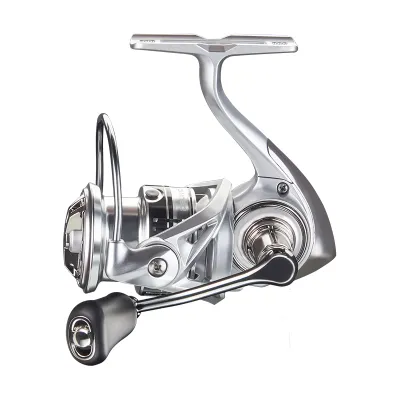
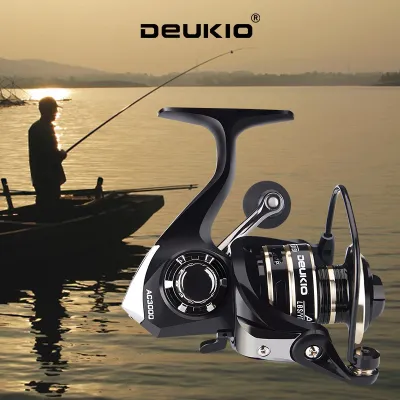
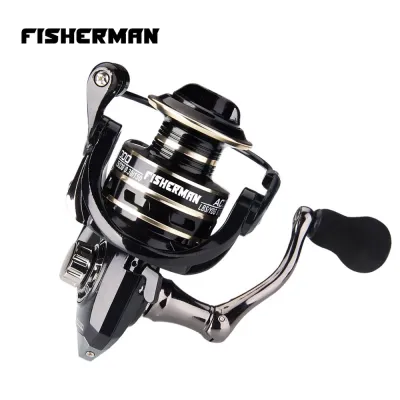
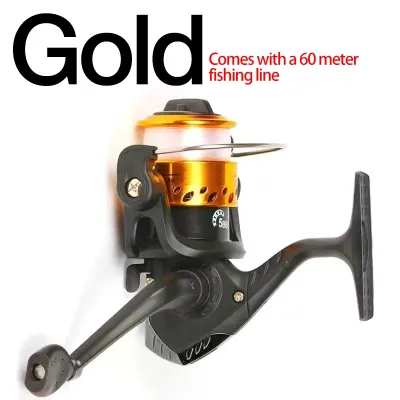
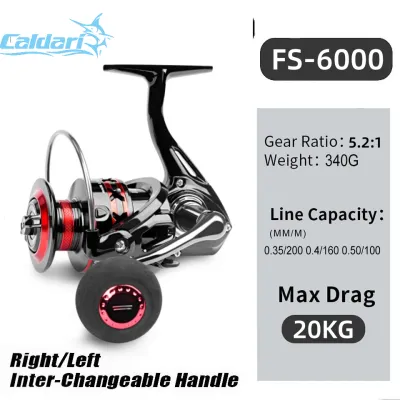
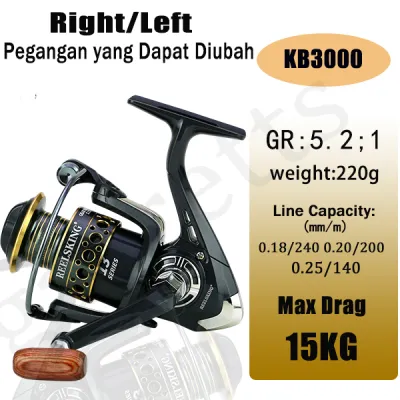
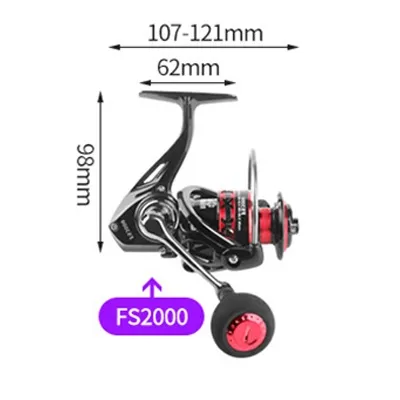
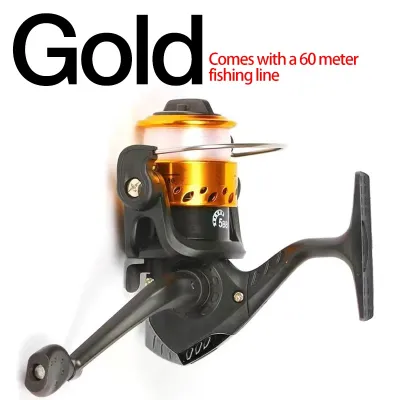
Prices are valid at publication and may change. Please refer to the product page for the latest price.
Deukio reels utilize a standard numerical sizing system, typically ranging from 1000 to 10000, which indicates the reel’s physical size and line capacity. Understanding these size classifications is crucial for balancing your rod setup and ensuring you have enough line to handle your target fish.
Sizes from 1000 to 2000 are ultra-lightweight, designed for thin lines and small freshwater species like tilapia or local perch. These smaller reels are perfect for short rods and delicate presentations in streams, small ponds, or quiet river bends.
Sizes from 3000 to 4000 represent the versatile middle ground, offering a balanced compromise between line capacity, drag power, and physical weight. This size range is highly popular among local anglers as it is suitable for both freshwater lakes and light estuary casting, easily handling species like milkfish or mangrove jack.
Sizes from 5000 to 6000 are built for medium-heavy applications, such as shore casting along sandy beaches or light offshore fishing. These reels provide the extra line capacity and structural strength needed to handle longer runs from stronger coastal fish.
Sizes from 7000 to 10000 are heavy-duty workhorses designed for deep-sea angling, surf casting in rough seas, or targeting large pelagic species. These large reels accommodate thick, high-test lines and offer massive line capacities to prevent powerful marine predators from stripping the spool.
Build materials significantly influence both the durability and weight of the reel. Graphite bodies are highly resistant to corrosion and incredibly lightweight, which helps reduce arm fatigue during long casting sessions. However, under extreme loads, graphite can flex, potentially causing the internal gears to misalign slightly. Aluminum bodies offer superior rigidity and strength, keeping the internal gears perfectly aligned under heavy pressure, but they are heavier and require meticulous cleaning to prevent galvanic corrosion in saltwater environments.
Matching Reel Features to Your Fishing Environment
The tropical climate and high humidity of the Philippines create a challenging environment for fishing gear, making it essential to match your reel’s features to where you plan to fish. Saltwater is highly corrosive and can ruin a reel’s internal mechanisms in a single season if the gear is not properly protected. When selecting a Deukio reel for saltwater use, verify the manufacturer’s specifications for corrosion-resistant features, such as sealed drag systems, stainless steel ball bearings, and anodized aluminum spools.

For freshwater environments like lakes, reservoirs, and rivers, corrosion is less of a concern, allowing you to prioritize lightweight designs and high sensitivity. When casting repeatedly for hours in search of snakehead or introduced black bass, a lightweight graphite reel will keep your setup balanced and reduce fatigue. High sensitivity is crucial in freshwater angling, as it allows you to feel the subtle vibrations of your lure and detect faint bites from cautious fish.
Regardless of any “waterproof” or “saltwater-resistant” marketing claims, regular maintenance is essential to preserve your reel’s lifespan and performance. After every saltwater trip, rinse the reel under a gentle stream of fresh water to remove salt deposits and sand. Never submerge the reel or use a high-pressure hose, as this can force water and salt past the seals and into the main gear chamber. After rinsing, wipe the reel dry with a soft cloth and apply a drop of specialized reel oil to the line roller, handle joints, and main shaft.
Selecting the Right Gear Ratio and Drag System for Target Species
A reel’s gear ratio determines how many times the spool rotates for every single turn of the handle, directly affecting your retrieval speed and pulling power. Low gear ratios, such as 4.8:1 to 5.2:1, provide high torque and pulling power, acting like a low gear in a vehicle. This is ideal for bottom fishing, retrieving heavy lures, or pulling stubborn fish out of underwater structures like rocks or submerged branches. High gear ratios, such as 6.2:1 to 7.2:1, retrieve line very quickly, making them essential for active lure fishing, topwater techniques, or quickly collecting slack line when a fast-swimming fish runs toward your position.
The drag system is the reel’s braking mechanism, allowing a fish to pull line off the spool under tension without breaking the line or the rod. It is critical to match the maximum drag rating to your target species and line strength. For light freshwater fishing, a maximum drag of 3kg to 5kg is more than enough. For powerful saltwater species or estuary predators, look for reels with a maximum drag of 8kg to 15kg, and verify if the reel uses carbon fiber drag washers, which offer superior heat dissipation and smoother performance under heavy loads compared to traditional felt washers.
While manufacturers often advertise high bearing counts as a sign of quality, the placement and material of the bearings are far more important than the quantity. A reel with five high-quality, shielded stainless steel bearings will perform better and last longer than a reel with ten cheap, unshielded steel bearings. Look for bearings placed at critical friction points, such as the main gear shaft and the line roller, to ensure smooth operation under load.
Building Your Shortlist: Key Checks Before Purchasing Online
When shopping for Deukio reels on online marketplaces, verifying the seller’s credentials is the first step to ensuring a successful purchase. Look for official brand stores, preferred seller badges, or listings with high positive feedback ratings. Be cautious of listings with generic store names, extremely low prices that seem too good to be true, or poorly translated product descriptions, as these can be signs of counterfeit or low-quality imitation gear.
Online listings can sometimes contain copy-paste errors or inaccurate specifications. Always cross-reference the listed weight, gear ratio, line capacity, and bearing count with the manufacturer’s official catalog or trusted fishing forums. Ensuring these specifications match will help you avoid purchasing a reel that is too heavy or lacks the necessary line capacity for your intended fishing style, helping you maximize the value of your hard-earned ₱.
Instead of relying solely on overall star ratings, which are often influenced by delivery speed rather than product performance, dive into the written reviews. Filter for three-star and two-star reviews to identify any recurring mechanical issues, such as drag slippage, handle play, bail arm stiffness, or premature rust. Pay close attention to reviews from local anglers who describe using the reel in specific Philippine environments, such as brackish fishponds or coastal surf, as their experiences will give you a realistic idea of the reel’s durability and performance.
Frequently Asked Questions (FAQ)
How often should I service my Deukio reel after saltwater fishing?
You should rinse your reel with low-pressure fresh water after every single saltwater outing to prevent salt crystals from forming on the exterior. For deeper maintenance, apply a drop of specialized reel oil to the line roller and handle bearings every three to five trips. A full teardown, cleaning, and regreasing of the internal gears should be performed at least once or twice a year, or immediately if the reel is accidentally submerged in saltwater or starts making a grinding noise.
Can I use a freshwater Deukio spinning reel for light saltwater fishing?
Yes, but with extreme caution and strict post-trip care. Freshwater reels lack the advanced seals and corrosion-resistant alloys of dedicated saltwater models, meaning salt crystals will quickly accumulate in the unsealed bearings, leading to rust, grinding, and eventual gear failure. If you must use a freshwater reel in saltwater, rinse it thoroughly with fresh water immediately after use, dry it completely, and lubricate all moving parts. For regular saltwater angling, upgrading to a dedicated saltwater-rated model is highly recommended to prevent irreversible damage.

Community discussion
Share your experience or ask a question. Comments are reviewed before publication.