
Quick Answer: Which Mikasa Ball Fits Your Game?
Choosing the right Mikasa volleyball ball depends on where you play, how often you play, and your competitive goals. To make the best choice, consider this simple decision framework:
- Choose an indoor match ball if you play primarily on polished wooden or synthetic courts, participate in organized leagues, and require maximum flight consistency, advanced aerodynamic control, and a soft, cushioned feel.
- Choose a beach ball if your games take place on outdoor sand courts, beach resorts, or open-air environments where wind, moisture, and sand require a water-resistant cover, a softer impact, and high-visibility panel colors.
- Opt for a training model if you need a durable, budget-friendly ball for high-repetition drills, individual practice, physical education classes, or casual recreational games where long-term durability matters more than elite match performance.
While indoor balls prioritize specialized grip textures and aerodynamic stability on polished courts, beach balls focus on water resistance, a larger circumference for wind stability, and a softer touch to prevent skin abrasion. Because specific model availability and naming conventions change over time, you should use the core structural criteria in this guide to verify current product labels rather than relying solely on memorized model numbers.
To find the perfect fit, focus on three core decision-defining dimensions: your playing surface (indoor court versus sand), your usage frequency (competitive match play versus daily training drills), and any required official certifications for league compliance.
Products mentioned in this guide
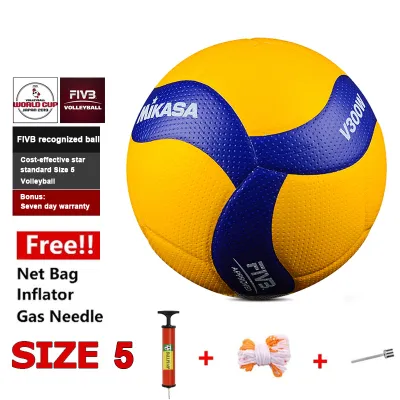
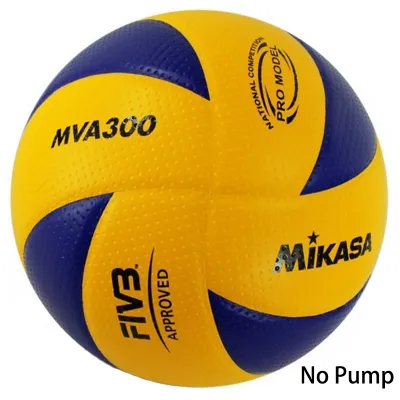
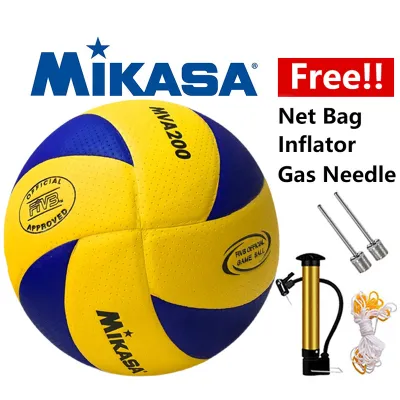
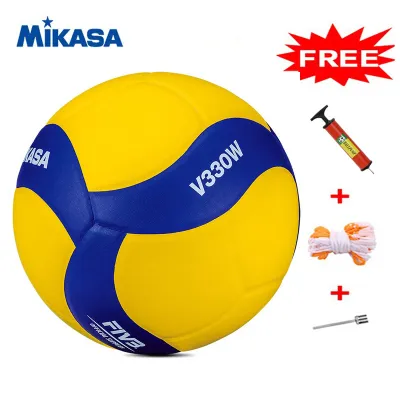
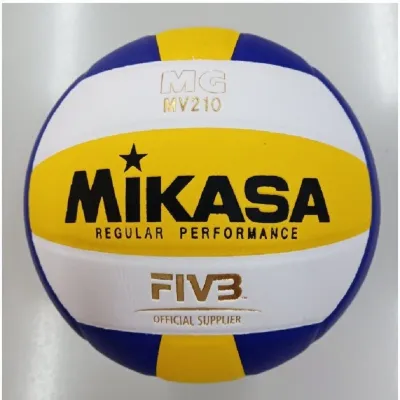
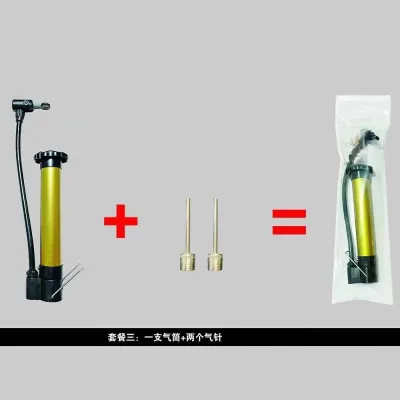
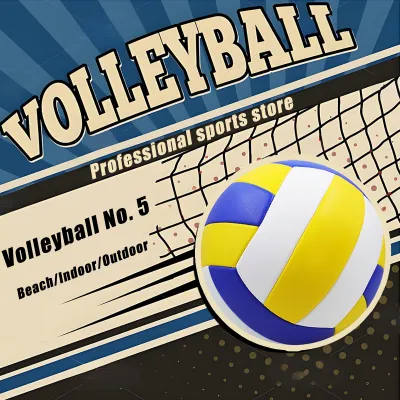
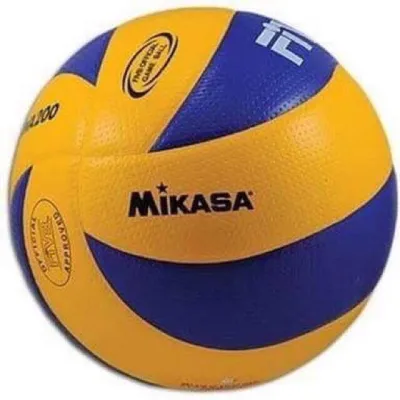
Prices are valid at publication and may change. Please refer to the product page for the latest price.
Indoor vs. Beach: Core Design and Material Differences
Indoor and beach volleyballs are engineered for entirely different environments, making them non-interchangeable if you want to maintain proper playability and protect your equipment.

Surface Texture and Grip
Indoor models typically feature advanced panel designs with specialized dimple patterns, such as double-dimple surfaces. These dimples create micro-turbulence in the air to stabilize the ball’s flight and help manage sweat from players’ hands on polished courts. In contrast, beach volleyballs feature smoother or lightly textured panels. This design prevents abrasive sand from getting trapped in micro-grooves, which would otherwise act like sandpaper against your skin during repetitive digs and sets.
Material Composition
Indoor balls utilize premium micro-fiber synthetic leathers designed to absorb minimal moisture from sweat while maintaining a soft, consistent grip. Beach balls, however, must withstand harsh outdoor conditions, utilizing water-resistant, softer synthetic materials or nylon covers. This specialized construction prevents the ball from absorbing water from damp sand or sea spray, which would make it heavy and unbalanced. Always check the manufacturer’s label for specific water-resistance claims rather than assuming every branded ball is weatherproof.
Pressure and Flight Characteristics
Beach volleyballs are slightly larger in circumference and are inflated to a lower pressure compared to indoor balls. This softer, larger design allows them to float more naturally in windy outdoor environments and absorb the impact of sand. Indoor balls are smaller, firmer, and built for high-speed, predictable flight paths, allowing for precise sets and powerful spikes on draft-free indoor courts.
Verification Step
Before purchasing, always look for the explicit “Indoor” or “Beach” designation printed near the inflation valve or on the product packaging. This ensures you do not accidentally use an indoor model in a sandy environment, which can quickly ruin the ball.
Official Match vs. Training: Understanding the Performance Gap
Understanding the structural differences between premium official match balls and durable training balls helps you allocate your budget effectively based on your actual playing needs.
Panel Construction and Seams
Premium official match balls utilize advanced thermal bonding or high-precision adhesive panel construction. This minimizes seam gaps and ensures a perfectly spherical shape, resulting in highly predictable aerodynamic behavior. Training balls, on the other hand, often feature stitched or molded seams. While these seams are highly durable and can withstand rough surfaces, they do not offer the same aerodynamic consistency or soft touch as bonded panels.
Certification Marks
Official match balls carry prestigious sanctioning logos, such as the Fédération Internationale de Volleyball (FIVB) “FIVB Approved” or “FIVB Official Game Ball” stamps. These marks guarantee the ball has passed rigorous testing for weight, circumference, roundness, bounce, and pressure retention. Training balls may carry a lower-tier “FIVB Inspected” mark or no official competition stamps at all, reflecting their focus on basic utility rather than competitive standardization.
Durability vs. Feel
Premium match balls prioritize a soft, cushioned touch, excellent grip, and precise rebound. However, this high-performance design can make them more susceptible to wear if used on rough outdoor surfaces or subjected to excessive high-volume training machines. Training models are built with thicker, more resilient outer layers that sacrifice some of that delicate, premium touch in exchange for a significantly extended lifespan under harsh, high-repetition conditions.
Decision Rule
Invest in an official match ball if you are preparing for sanctioned tournaments, playing in competitive indoor leagues, or conducting serious team practices where replicating real match conditions is vital. Choose a training model for individual skill development, physical education classes, or casual recreational play where the ball will frequently contact rough surfaces.
How to Verify Authenticity and Specifications Before Buying
With many counterfeit sports goods circulating on online marketplaces, knowing how to verify your ball’s authenticity is crucial to ensure you get the performance and safety you pay for.
Inspecting the Valve and Label
A genuine Mikasa volleyball ball features clean, precise printing around the inflation valve. This area should clearly display the official model number, the recommended air pressure range (typically specified in kgf/cm², bar, or PSI), and the country of manufacture. Blurry text, misaligned print, or spelling errors in this region are immediate red flags.
Checking Panel Seams and Print Quality
Authentic models exhibit exceptional craftsmanship. The panel seams should be perfectly aligned, with no visible glue residue, loose threads, or peeling edges. The printed brand logos, certification stamps, and model names must be sharp, centered, and resistant to rubbing off during normal handling.
Navigating E-commerce Listings
When browsing online marketplaces or ecommerce platforms, do not rely solely on the product title or generic stock images, which can easily be copied from official catalogs. Instead, carefully review the seller’s detailed specifications, including the exact weight, circumference, and material composition. Cross-reference these details with the official Mikasa brand website or authorized retail catalogs to ensure they match.
Avoiding Counterfeits
Be highly skeptical of listings offering premium match balls at unusually low prices (e.g., significantly below the standard market rate of several thousand Philippine Pesos). Counterfeit balls often lack authentic certification stamps, have poor pressure retention due to cheap internal bladders, and use hard, unyielding synthetic materials that can cause pain or bruising to your arms during play.
Surface-Specific Care and Maintenance
Proper care and maintenance prolong the life of your volleyball, preserving its grip, shape, and aerodynamic properties over many seasons.
Cleaning Protocols
To maintain the grip and lifespan of an indoor ball, wipe it down after every session with a slightly damp, soft microfiber cloth to remove sweat, skin oils, and court dust. Avoid using harsh chemical detergents or soaking the ball. For beach volleyballs, brush off all dry sand immediately after play. If the ball has been exposed to saltwater or wet sand, rinse it gently with fresh, lukewarm water to prevent salt crystals and grit from degrading the seams and panel adhesive.
Drying and Storage
Always allow your ball to air-dry naturally in a shaded, well-ventilated indoor space. Never expose the ball to direct sunlight for extended periods, leave it inside a hot vehicle trunk, or store it while damp inside a sealed gym bag. Extreme heat and trapped moisture can warp the panels, melt the adhesives, weaken the bladder, and promote mold growth.
Proper Inflation
Always use a reliable, calibrated pressure gauge to avoid over-inflation, which can stretch the panels and damage the internal bladder. Before inserting the inflation needle into the valve, apply a drop of silicone lubricant or glycerin to the needle. This simple step prevents the needle from scratching or tearing the delicate rubber valve, which is a primary cause of slow air leaks. Always stay within the manufacturer’s recommended PSI or bar range printed on the ball.
Frequently Asked Questions (FAQ)
Can I use an indoor Mikasa volleyball on the beach?
While physically possible, using an indoor Mikasa volleyball on the beach is highly discouraged. Indoor balls are designed specifically for polished, debris-free courts and are made of materials that absorb sweat but fail to repel heavy moisture. Exposure to sand, wind, and saltwater will quickly degrade the premium synthetic leather, ruin the specialized grip texture, and weaken the adhesive holding the panels together. Additionally, without water-resistant properties, an indoor ball will absorb moisture from damp sand, becoming heavy, waterlogged, and difficult to play with safely.
How do I know the correct air pressure for my specific Mikasa ball?
The correct air pressure range is printed directly on the surface of the ball, typically located immediately adjacent to the inflation valve. This specification is usually listed in bar, pounds per square inch (PSI), or kilograms-force per square centimeter (kgf/cm²). To ensure accuracy, always use a pump equipped with a calibrated pressure gauge. Under-inflating the ball leads to sluggish bounces and unpredictable flight, while over-inflating can permanently warp the panels, stretch the seams, damage the internal bladder, and make the ball uncomfortably hard to hit.

Community discussion
Share your experience or ask a question. Comments are reviewed before publication.