
Choosing between a military poncho tent and a regular camping tent depends on your priority—whether you value multi-functional, ultralight adaptability or dedicated, weather-sealed comfort. A military poncho tent serves as rainwear, a tarp, and a minimalist shelter, making it ideal for experienced solo hikers who want to minimize weight in humid, tropical climates. Conversely, a regular camping tent provides a structured, insect-free, and fully enclosed space that shields you from heavy downpours and wind, making it the preferred choice for multi-day trips, group camping, or unpredictable weather.
In tropical environments where sudden afternoon downpours, high humidity, and active insect populations are the norm, your choice of shelter directly impacts your safety and sleep quality. No single shelter is perfect for every scenario; instead, you must match the gear to your specific activity, skill level, physical capacity, and the expected weather conditions of your venue. Understanding the distinct design philosophies behind these two shelter types allows you to make an informed decision that keeps you safe and comfortable on the trail.
Core Differences in Design and Versatility
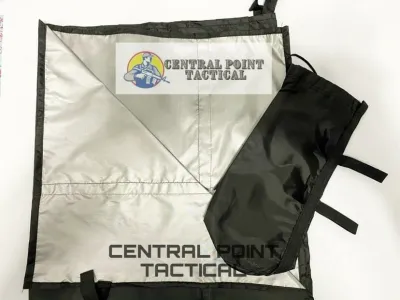
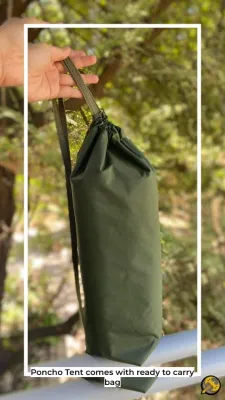
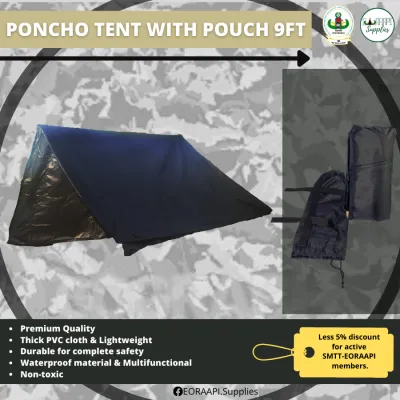
The fundamental distinction between a military poncho tent and a regular camping tent lies in their design philosophy and structural versatility. A military poncho tent is engineered as a multi-purpose survival tool. It features a simple, rectangular sheet of waterproof fabric with a hood in the center, reinforced grommets along the edges, and snap fasteners along the sides. This design allows you to wear it as a rain cape while hiking, snap multiple ponchos together to form a larger tarp, or pitch it as a minimalist A-frame shelter using trekking poles or nearby trees. This multi-functional capability eliminates the need to carry separate rain gear and a dedicated tent, significantly reducing your overall pack volume.
Products mentioned in this guide
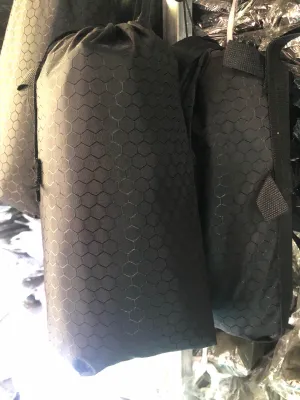
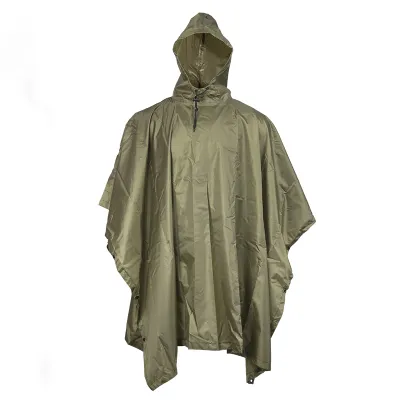
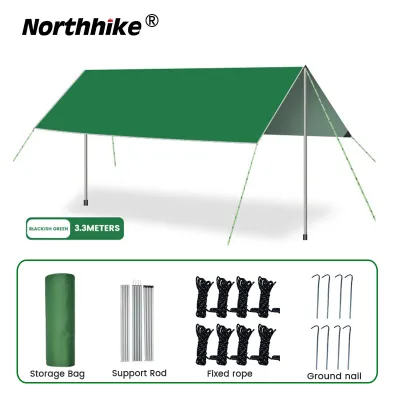
Prices are valid at publication and may change. Please refer to the product page for the latest price.
In contrast, a regular camping tent is a dedicated, single-purpose structure designed solely to provide a secure sleeping environment. It typically features a double-wall construction consisting of an inner tent made of breathable mesh and fabric, a separate waterproof rainfly, and a set of specialized, pre-bent poles. This dedicated structure creates a reliable, self-supporting, or semi-self-supporting dome or tunnel shape. While a regular tent cannot be worn as rainwear or easily adapted into different configurations, its specialized design excels at isolating you from the external environment, providing a consistent and predictable shelter regardless of where you pitch it.
Evaluating versatility requires you to analyze your specific trip goals and your willingness to accept gear redundancy. If your trek involves fast-paced movement, minimal gear, and a high likelihood of changing weather where you need quick rain protection on the move, the poncho tent’s adaptability is highly valuable. However, if your trip involves establishing a base camp from which you plan to day-hike, a regular camping tent serves as a secure home base where you can leave your sleeping gear, extra clothing, and valuables protected from the elements while you explore.
Weight, Packability, and Setup Speed
When preparing for a trek, managing your backpack load and understanding your physical capacity are critical for a safe and enjoyable experience. A military poncho tent is often celebrated for its weight-saving potential, but you should always verify the manufacturer’s specification labels rather than relying on generalized assumptions. Some heavy-duty military-issue ponchos made of thick polyvinyl chloride (PVC) or rubberized canvas can weigh upwards of one kilogram, which may equal or exceed the weight of a modern, ultralight technical camping tent. To make an accurate comparison, check the exact weight in grams on the product packaging and consider whether the combined weight of a separate raincoat and an ultralight tent is more efficient for your carrying method.

Setup speed and the required skill level differ significantly between these two options. A regular camping tent is designed for intuitive, straightforward assembly. Most modern models utilize color-coded aluminum or fiberglass poles that slide into sleeves or clip onto the inner canopy, allowing even beginners to pitch the shelter in minutes without needing complex outdoor skills. A poncho tent, on the other hand, demands a higher level of field craft and practice. Because it lacks a dedicated frame, you must rely on trekking poles, adjustable accessory poles, or natural supports like trees and branches. You must also master essential knots, such as the taut-line hitch and bowline, to secure the guylines and maintain proper fabric tension.
Your weight distribution strategy also changes depending on whether you are hiking solo or in a group. For solo hikers, a lightweight poncho tent represents a highly efficient way to streamline gear, as it serves as both your primary rain jacket and your night shelter. For group camping scenarios, however, a regular multi-person camping tent often provides better weight efficiency. Group members can split the components—one person carrying the poles and stakes, another carrying the inner tent, and a third carrying the rainfly. This collaborative approach reduces the individual carrying burden while allowing everyone to enjoy the superior comfort and protection of a fully enclosed tent.
Weather Protection and Comfort Trade-offs
In tropical climates, weather resistance and insect protection are paramount to preventing exhaustion and maintaining health on the trail. A regular camping tent offers superior protection against the elements due to its fully enclosed, double-wall design. The integrated bathtub floor—a waterproof ground sheet that wraps several inches up the sides of the tent—prevents pooling rainwater from seeping into your sleeping area. Furthermore, the built-in fine mesh netting acts as an impenetrable barrier against mosquitoes, sandflies, and crawling pests, which is essential for preventing insect-borne discomfort and ensuring a restful night’s sleep.
A military poncho tent presents distinct limitations in severe weather that require active management and advanced campsite selection skills. Because it is typically pitched as an open-sided tarp, it lacks a built-in floor and insect netting, leaving you exposed to ground moisture, crawling insects, and wind-driven rain. If a sudden tropical storm brings sideways rain, a poncho tent pitched too high can allow water to spray directly onto your sleeping bag. To mitigate these risks, you must learn to select campsites on elevated, well-drained ground, utilize natural windbreaks like large boulders or dense vegetation, and pitch the poncho low to the ground in a steep A-frame configuration to shed wind and rain effectively.
Interior space and comfort thresholds also vary widely between the two shelter types. Regular tents provide ample headroom, allowing you to sit up comfortably, change clothes, and organize your gear within a dry, protected environment. They also feature dedicated vestibules—sheltered areas outside the inner tent but under the rainfly—where you can store muddy boots and wet backpacks. A poncho tent offers very limited interior space, often requiring you to lie flat and keep your gear packed tightly beside you. Because space is tight, any contact with the single-wall fabric can cause condensation to transfer to your clothing or sleeping gear, making active ventilation and careful movement essential.
Durability and Material Considerations
To ensure your shelter lasts through multiple seasons and demanding trail conditions, you must understand how to evaluate material specifications and perform routine maintenance. When shopping, check the product labels for specific fabric types and denier (D) ratings. Most modern shelters are constructed from ripstop nylon or polyester. Ripstop nylon is highly valued for its excellent strength-to-weight ratio and elasticity, which helps it absorb wind loads. Polyester, while slightly heavier, resists UV degradation better and does not stretch when wet, keeping your pitch taut during prolonged rain. The denier rating indicates the thickness of the individual fibers; a higher denier, such as 70D or 150D, offers greater resistance to punctures from sharp twigs and rocky ground.
In addition to the fabric type, you must inspect the waterproof coatings and seam construction before making a purchase. Look for specifications indicating a polyurethane (PU) or silicone (sil) coating, which is measured in millimeters of hydrostatic head. A rating of 1,500mm to 3,000mm is generally sufficient for tropical downpours. For a military poncho tent, pay close attention to the central hood design. Because the hood is a potential entry point for water when the poncho is pitched as a flat tarp, ensure it features a reliable drawcord, a secure snap-down closure, or a dedicated pocket to seal the opening completely. Verify that all seams are factory-taped or sealed to prevent water droplets from seeping through the stitching.
Proper maintenance is critical to preventing material degradation, especially in hot, humid climates where mold and mildew thrive. After returning from a trip, never leave your shelter packed tightly in its stuff sack while damp. Hand-wash the fabric using cool water and a mild, non-detergent soap specifically formulated for outdoor gear. Avoid harsh detergents or washing machines, which can strip away waterproof coatings and damage seam tape. Rinse the shelter thoroughly and hang it to air-dry completely in a shaded, well-ventilated outdoor area. Once dry, store it loosely in a breathable mesh bag or a cool, dry closet to preserve the integrity of the waterproof barriers and fabric fibers.
Decision Framework: Which Shelter Fits Your Trip?
Choosing the right shelter requires a realistic assessment of your experience level, the expected environment, and your personal comfort requirements. Equipment cannot replace training, physical preparation, or sound judgment on the trail. If you encounter severe weather conditions that exceed your skill level or your gear’s capabilities, you must be prepared to abort the trek or seek sturdier shelter.
You should choose a military poncho tent if you meet the following criteria:
- You are an experienced hiker or survival trainee who possesses strong knot-tying and tarp-pitching skills.
- You are embarking on an ultralight backpacking trip or a short-distance solo hike where minimizing pack weight and volume is your primary goal.
- You are comfortable sleeping in an open-sided shelter and have alternative methods for insect protection, such as a lightweight bivy sack or personal insect repellent.
- You have verified that your trail gear is compatible, including having adjustable trekking poles and extra high-strength guylines to secure the pitch.
You should choose a regular camping tent if you meet these criteria:
- You are planning a family camping trip, a multi-day trek in unpredictable mountain areas, or are hiking with beginners who require a straightforward setup.
- You prioritize a comfortable, fully enclosed sleeping environment that guarantees protection from mosquitoes, crawling insects, and ground moisture.
- You expect heavy, sustained rainfall or strong winds where a stable, double-wall structure with a bathtub floor is necessary to stay dry.
- You prefer a spacious interior with dedicated gear storage areas and do not mind carrying the additional weight of poles and a dedicated rainfly.
Before finalizing your decision, always perform a pre-trip gear check. Pitch your chosen shelter in a local park or your backyard to inspect the fabric for tears, verify that you have all the necessary stakes and poles, and ensure you can set it up efficiently under simulated trail conditions.
Frequently Asked Questions (FAQ)
Can I use a military poncho tent without trekking poles?
Yes, you can pitch a military poncho tent without trekking poles by utilizing natural features in your environment. You can tie the hood or ridge guylines to sturdy tree branches, or use strong, fallen branches trimmed to the appropriate length as makeshift poles. However, natural supports offer less adjustability and may have sharp edges that can puncture the fabric. Ensure you inspect any wooden branches for splinters and wrap the ends in a cloth or sock to protect the poncho material.
How do I prevent condensation inside a poncho tent?
Preventing condensation in a single-wall poncho tent requires strategic site selection and maximizing airflow. Avoid pitching your shelter in low-lying damp areas, near water bodies, or directly over wet grass, as these locations have high ambient moisture. Pitch the poncho slightly higher off the ground to allow a breeze to pass underneath, and ensure the hood or designated vents are kept open. Additionally, use a waterproof ground tarp or bivy bag to separate your sleeping gear from ground moisture, and avoid touching the inner walls of the poncho during the night.

Community discussion
Share your experience or ask a question. Comments are reviewed before publication.