
Equipping a kayak or inflatable boat with a mini outboard motor transforms how you navigate local waterways, extending your range and saving your energy for fishing or exploring. Choosing the right motor requires balancing the physical limits of your watercraft with the specific environmental demands of tropical coastal waters, lakes, and rivers. A mismatched motor can compromise your vessel’s stability, damage the transom, or leave you stranded against strong currents.
To make an informed decision, you must evaluate how a motor’s specifications align with your watercraft’s design, compare the practicalities of electric and gas power systems, and understand the mounting requirements for a secure installation. Additionally, operating a motorized craft in the Philippines comes with specific safety responsibilities and local regulatory considerations that every boater must address before heading out on the water.
Matching Motor Specifications to Your Watercraft
Selecting the right mini outboard motor begins with understanding the physical relationship between your watercraft and the motor’s output. Unlike larger boats, kayaks and small inflatable boats are highly sensitive to changes in weight, balance, and propulsion forces. Installing a motor that is too powerful or too heavy can lead to dangerous handling characteristics, while an underpowered motor will struggle against wind and tides.
Products mentioned in this guide
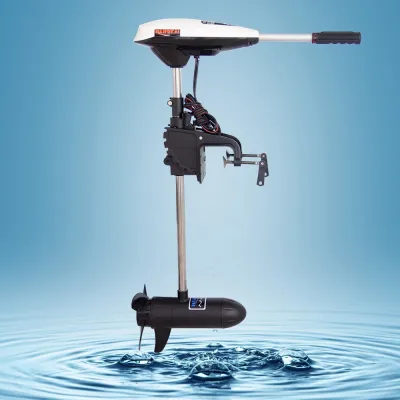
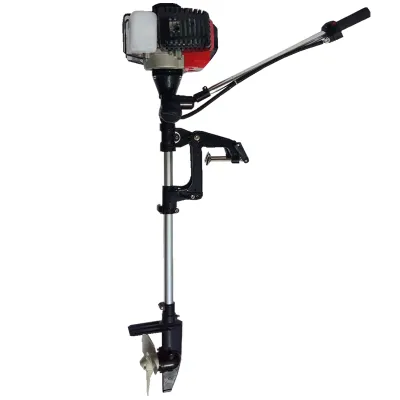
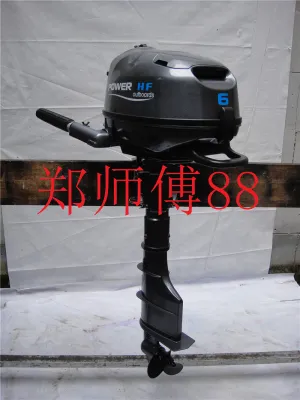
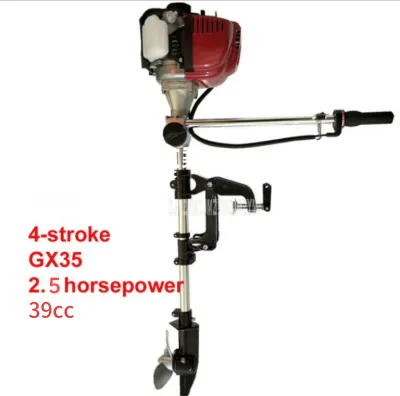
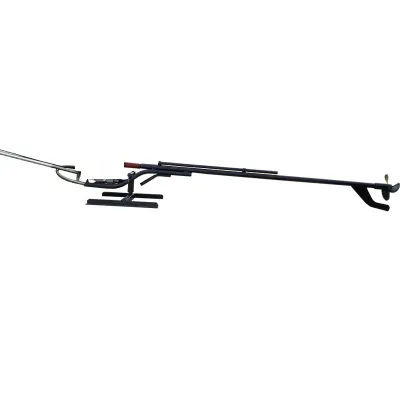
Prices are valid at publication and may change. Please refer to the product page for the latest price.
Calculating the required thrust or horsepower is the first step in this process. For electric trolling motors, thrust is measured in pounds. A reliable baseline for calm water conditions is to verify that you have at least two pounds of thrust for every 100 pounds of total loaded weight. Total loaded weight must include the dry weight of the kayak or inflatable hull, the motor itself, batteries or fuel, all onboard gear, and the weight of all passengers. If you plan to navigate coastal areas with active tidal currents or open lakes prone to sudden wind chops, you should increase this baseline to ensure you have enough power to maintain steerage.
Measuring your watercraft’s transom height is equally critical to ensure the propeller operates at the correct depth. The shaft length must be long enough to keep the propeller fully submerged under all operating conditions, yet short enough to avoid unnecessary drag or groundings. To find the correct shaft length, measure the distance from the top of your transom mount down to the bottom of the hull. For most small inflatables and kayaks, the ideal propeller depth is between six and ten inches below the water’s surface. If the shaft is too short, the propeller will draw in air from the surface—a phenomenon known as cavitation—which destroys thrust and can cause the motor to over-rev. Conversely, an excessively long shaft increases draft, making it difficult to navigate shallow reefs or mangrove channels, and exerts extra leverage stress on your mounting bracket.
Finally, you must carefully evaluate the weight of the motor and its power source against your watercraft’s payload capacity. Lightweight, human-powered watercraft are designed to carry weight distributed evenly along the centerline. Placing a heavy motor and a heavy battery or fuel tank at the extreme stern shifts the center of gravity backward. This shift can cause the bow to rise excessively, a condition known as plowing, which reduces steering control and makes the vessel highly vulnerable to swamping from stern waves. Always check your watercraft’s manufacturer specifications for the maximum allowable transom weight and ensure your combined motor and battery setup falls well within those limits.
Choosing Between Electric and Gas-Powered Mini Motors
Deciding between an electric mini outboard and a small gas-powered motor depends on your typical trip duration, your tolerance for maintenance, and where you plan to launch. Both power sources offer distinct advantages, but they also come with operational trade-offs that affect your experience on the water.

Electric trolling motors are highly favored for their quiet operation, instant starting, and low maintenance requirements. They allow you to glide silently through shallow flats and mangrove estuaries without disturbing wildlife or other anglers. However, electric setups are strictly limited by battery capacity and weight. Standard lead-acid marine batteries are heavy and require careful handling to prevent acid spills, while lighter lithium iron phosphate batteries offer longer runtimes but require a higher initial investment and specialized waterproof housing. Additionally, you must consider the logistics of recharging these batteries, especially if you live in or travel to remote coastal areas where access to a stable power grid may be limited.
Gas-powered mini outboards, typically ranging from 1.5 to 4 horsepower, offer virtually unlimited range as long as you carry extra fuel. They are highly effective for long-distance travel, island-hopping in protected bays, or navigating rivers with sustained currents. However, gas motors introduce several maintenance and operational challenges. Two-stroke models are relatively lightweight and mechanically simple, but they require you to mix oil and gasoline precisely, and they produce noticeable exhaust fumes and noise. Four-stroke models run cleaner and quieter but are heavier, more complex, and must be transported in specific orientations to prevent engine oil from leaking into the cylinder or your vehicle’s trunk.
When matching the power type to your environment, consider the typical water conditions you will encounter. Calm inland lakes and slow-moving rivers are ideal environments for electric motors, where quiet propulsion enhances the outdoor experience. For coastal waters, open bays, or areas with strong tidal rips, a small gas outboard provides the sustained, high-torque output needed to make headway against challenging environmental forces. Equipment cannot replace training or judgment; regardless of your motor type, you must always assess whether the water conditions exceed your motor’s capabilities before launching.
Mounting Systems and Structural Compatibility
Securing a motor to a watercraft that was originally designed for paddling requires careful attention to mounting systems and structural integrity. The thrust generated by even a small motor exerts significant twisting force, or torque, on the hull, which can damage the craft if not properly distributed.
For inflatable boats, the mounting method depends on whether the vessel has an integrated rigid transom or a soft stern. Inflatables with built-in wooden, fiberglass, or heavy composite transoms are highly robust and can easily support standard clamp-on motors. However, you should always use marine-grade reinforcement pads or backing plates on both sides of the transom. These pads distribute the clamping pressure of the motor screws, preventing them from gouging the transom material or slipping off due to engine vibration. If your inflatable has a soft stern and uses an add-on metal or plastic motor mount kit, verify that the kit’s structural straps and frame are rated for the weight and torque of your specific motor.
Kayaks and stand-up paddleboards require specialized aftermarket brackets to accommodate a motor. Stern-mount brackets attach directly to the rear deck, often utilizing existing rudder mount holes or accessory tracks. This positioning keeps the motor aligned with the centerline, preserving the kayak’s natural tracking and balance. However, stern mounts require you to set up a steering linkage, such as foot pedals or hand-operated pull cords, to control your direction. Side-mount brackets clamp across the cockpit behind the seat, positioning the motor to one side of the hull. While side mounts allow you to reach the motor’s tiller handle directly for easy steering and tilting, they create asymmetrical drag and can cause the kayak to list to one side, requiring constant steering correction.
Regardless of the mounting style you choose, you must verify that you have adequate clearance for all steering mechanisms and control cables within your cockpit. In a confined kayak or small inflatable, a long tiller handle can easily strike your seat, gear crates, or bait wells when you attempt to make tight turns. Ensure that you can fully rotate the motor to reverse and tilt it completely out of the water to clear shallow hazards without obstructing your seating area or interfering with your ability to paddle manually if the motor fails.
Safety Boundaries and Local Waterway Regulations
Operating a motorized watercraft, even a small kayak or inflatable, elevates your speed and potential distance from shore, which increases your exposure to environmental hazards. Safety on the water relies on recognizing your equipment’s limits, carrying mandatory safety gear, and complying with local maritime rules.
Mini outboard motors are designed for propulsion assistance in moderate conditions; they are not survival engines capable of rescuing you from severe weather. Strong offshore winds, sudden tropical squalls, and rapid tidal changes can easily overpower a small electric motor or a low-horsepower gas engine. Before heading out, always check local marine forecasts and pay close attention to wind speed and wave height. Establish clear stop conditions: if you notice whitecaps forming, or if you find yourself struggling to make headway against the current, turn back immediately. Always practice the rule of thirds for fuel or battery management: use one-third of your capacity to travel out, one-third to return, and keep one-third in reserve for emergencies.
Safety equipment is non-negotiable when operating a motorized vessel. Every passenger on board must wear a properly fitted, high-buoyancy personal flotation device (PFD) at all times. Because motorized craft travel faster and further, you should also carry a manual bilge pump or hand bailer to quickly clear any water taken on from waves or spray. Additional essential safety gear includes a loud signaling device (such as a marine whistle or horn), a waterproof flashlight, a basic tool kit with spare parts, and a reliable paddle or oar as a manual backup.
Adding a motor to a previously human-powered vessel changes its legal classification. In the Philippines, motorized vessels are subject to specific safety guidelines and registration requirements managed by the Philippine Coast Guard or local municipal government units. Before launching your motorized kayak or inflatable, you must verify the local registration thresholds and restricted zones in your area. Many municipal waters have specific ordinances regarding motorized vessels near swimming beaches, marine sanctuaries, or traditional fishing grounds. Ensuring compliance with these local rules helps protect fragile marine ecosystems and prevents costly fines.
Final Verification Checklist Before Purchase
Before finalizing your purchase of a mini outboard motor, conducting a thorough verification of the product, the seller, and your local support network will prevent costly mistakes and ensure long-term satisfaction with your equipment.
First, verify the manufacturer’s warranty terms and the availability of authorized local service centers. Marine environments are exceptionally harsh on mechanical and electrical components due to salt corrosion, high humidity, and heat. Purchasing a motor from a brand that has established service technicians and a reliable supply of spare parts in major urban hubs ensures that you can easily source replacement seals, gaskets, shear pins, or propellers when wear and tear inevitably occur.
Second, confirm exactly what accessories are included in the purchase price. Some mini outboard packages are sold as bare motors, requiring you to purchase essential components separately. Ensure you know whether the motor comes with a propeller, mounting hardware, safety kill-switch lanyards, and heavy-duty battery connectors or fuel lines. If you are purchasing an electric motor, verify the compatibility of the battery connectors with your intended battery system to avoid wiring issues during installation.
Finally, carefully review the seller’s shipping and handling policies, especially if you are ordering through online marketplaces or specialized marine retailers located in another province. Heavy items like marine batteries and gas engines often face strict transport restrictions on domestic flights and inter-island ferries. Confirm the shipping fees, estimated delivery times, and return policies for oversized or hazardous goods to ensure your motor arrives safely and without unexpected logistical delays.
Frequently Asked Questions (FAQ)
Do I need to register a kayak with a mini outboard motor?
Yes, adding a mini outboard motor to a kayak typically changes its classification from a human-powered paddlecraft to a motorized vessel. In the Philippines, motorized vessels are generally subject to registration and safety guidelines enforced by the Philippine Coast Guard or local government units. You should consult your local maritime authority or municipal hall to verify the specific registration thresholds, required safety equipment, and permit fees applicable to motorized small craft in your local waterways.
Can I use a standard car battery for an electric mini outboard?
Using a standard car battery for an electric trolling motor is not recommended and can damage your equipment. Automotive starting batteries are designed to deliver a high burst of current for a few seconds to start an engine, after which they are immediately recharged by an alternator; they are not built to handle continuous, low-current discharge over several hours. Repeatedly draining a car battery with a trolling motor will rapidly degrade its internal plates, leading to premature battery failure. Instead, you should always use a dedicated deep-cycle marine battery, which is specifically engineered to handle deep discharges and recharges in wet, vibrating marine environments.

Community discussion
Share your experience or ask a question. Comments are reviewed before publication.