
Choosing the right fishing line in the Philippines is not about finding a single, universally superior option, but rather matching the material to your specific target species, water clarity, and fishing environment. Whether you are casting for snakehead (haruan) in freshwater lakes, jigging for groupers (lapu-lapu) around deep coastal reefs, or trolling for mahi-mahi in open blue waters, your line is the critical link between you and your catch. The three primary types of fishing lines—monofilament, fluorocarbon, and braided line—each possess distinct physical properties, strengths, and limitations. Understanding these differences allows you to spool your reel with the exact tool needed for your specific angling conditions.
Core Characteristics of the Three Main Fishing Lines
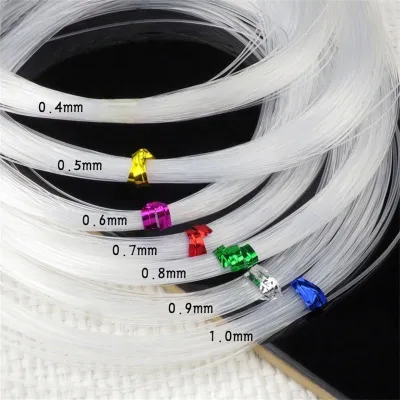
Monofilament fishing line is constructed from a single strand of nylon material extruded into a continuous, uniform thread. It remains one of the most popular choices globally due to its affordability, ease of handling, and forgiving nature. Nylon naturally absorbs water over time, which slightly alters its handling characteristics and knot strength during a long day on the water. Additionally, monofilament is highly susceptible to ultraviolet (UV) degradation, meaning prolonged exposure to the intense tropical sun will gradually weaken its structural integrity. It possesses inherent stretch, acting like a built-in shock absorber, and has a near-neutral buoyancy that causes it to sink very slowly.
Fluorocarbon fishing line is also a single-strand line, but it is extruded from polyvinylidene fluoride (PVDF), a much denser polymer than nylon. This high density causes fluorocarbon to sink rapidly through the water column, making it highly effective for deep-water presentations. Unlike nylon, fluorocarbon does not absorb water, ensuring its tensile strength and handling characteristics remain completely consistent from the first cast to the last. Its molecular structure is highly resistant to UV rays and chemical degradation, which significantly extends its lifespan when exposed to harsh sunlight and saltwater environments.
Products mentioned in this guide
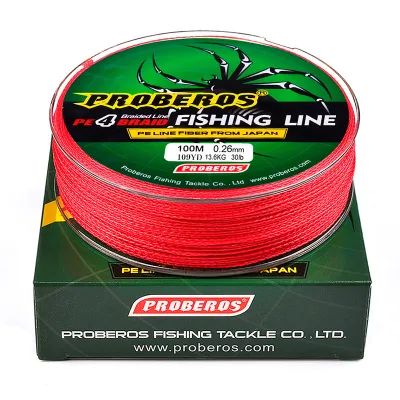
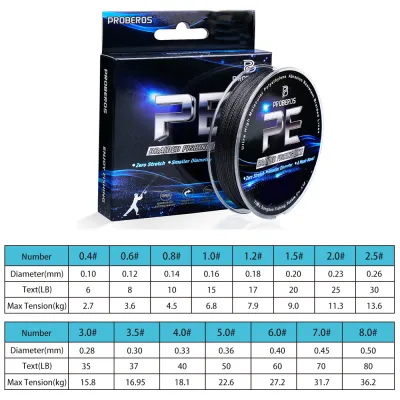
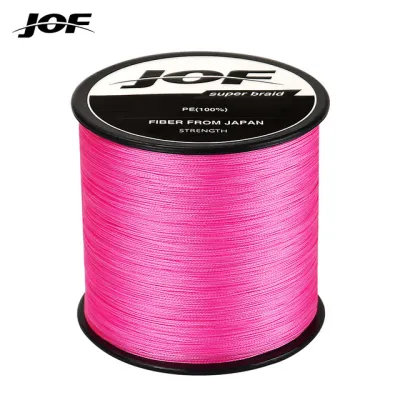
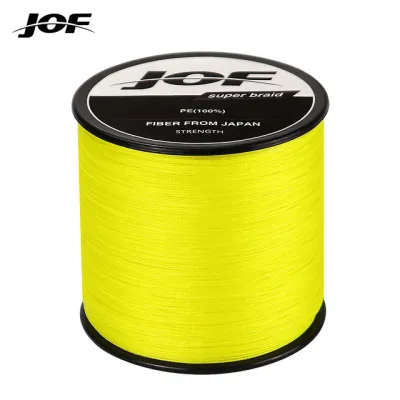
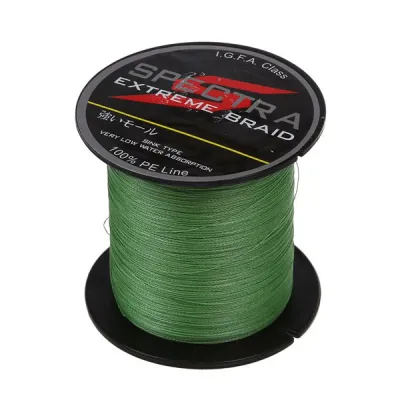
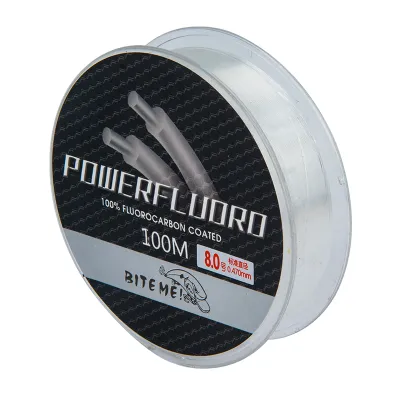
![[COD]500M Fishing Line Super Strong 5 Colors Nylon Fishing Line Original Tansi Nylon For Fishing Nylon String](https://img.lazcdn.com/g/p/8dfe46f0bf7daa401bb4b0b482c47581.jpg_400x400q80.jpg_.webp)
Prices are valid at publication and may change. Please refer to the product page for the latest price.
Braided fishing line is constructed by weaving multiple strands of high-strength synthetic fibers, such as Dyneema or Spectra, into a single, ultra-thin rope. This multi-strand construction creates a line with an incredibly high strength-to-diameter ratio, allowing you to pack much heavier test weight onto a smaller spool. Braided line has virtually zero stretch, providing unmatched sensitivity and direct contact with your lure or bait. However, because it is made of woven fibers, it is completely opaque, highly visible in clear water, and lacks the smooth, slick surface of single-strand lines.
Performance Comparison Across Critical Fishing Dimensions
Visibility and Light Refraction
Water clarity and depth play a massive role in how fish perceive your line. Fluorocarbon has a refractive index of approximately 1.42, which is remarkably close to the refractive index of water (1.33). This physical property allows light to pass through the line rather than reflecting off it, making fluorocarbon nearly invisible underwater and highly effective when targeting line-shy species in clear coastal waters. Monofilament has a slightly higher refractive index, making it moderately visible, while braided line is completely opaque and highly visible to fish, meaning it often requires a clear leader to avoid spooking wary targets.

Stretch and Sensitivity
The amount of stretch in a line directly impacts bite detection and hook-setting power. Monofilament can stretch up to 25% or more under heavy load, which provides a forgiving cushion that prevents hooks from tearing out of soft-mouthed fish during sudden runs. However, this stretch dampens vibrations, making it difficult to feel subtle bites at greater depths. Braided line offers virtually zero stretch, delivering immediate feedback to your rod tip and allowing for instant hook sets, though it requires a properly adjusted drag to prevent line breakage or gear damage. Fluorocarbon sits in the middle, offering minimal stretch under light tension but providing a small amount of shock absorption under heavy loads.
Abrasion Resistance
When fishing around sharp structures like volcanic rocks, coral reefs, or submerged timber, abrasion resistance is paramount. Fluorocarbon features a hard, dense outer surface that resists scraping and nicking better than standard nylon or braid. Monofilament is moderately resistant but can suffer structural weakness from minor surface nicks. Braided line, despite its high tensile strength, can shear easily when rubbed against sharp, abrasive edges under tension, as the individual micro-fibers are easily cut by sharp coral or rock.
Diameter and Line Capacity
Braided line is incredibly thin for its breaking strength, often having a diameter that is a fraction of an equivalent-strength monofilament or fluorocarbon line. This thin profile reduces water drag, allows for longer casts, and significantly increases the line capacity of your reel, which is crucial when battling fast-running pelagic fish. Monofilament and fluorocarbon are much thicker, which limits spool capacity but provides a thicker physical cushion against wear and tear.
Matching Line Types to Target Species and Environments
Inshore and Reef Fishing
Anglers targeting species like mangrove snapper (mangagat) or bluefin trevally (talakitok) around shallow reefs and rocky shorelines face constant threats from sharp structures. In these environments, a hybrid approach is often best, but if you must choose a single line, a heavy fluorocarbon or a braided mainline paired with a thick fluorocarbon leader is ideal. The braid provides the casting distance and sensitivity needed to work lures, while the fluorocarbon leader protects against the abrasive coral edges.
Offshore and Pelagic Trolling
Trolling for fast-moving pelagic species like tuna, wahoo, or sailfish requires a line that can handle high-speed runs and sudden, violent strikes. Monofilament is highly favored here as a mainline or a long top-shot. Its inherent stretch acts as a shock absorber when a massive fish hits a lure at 30 knots, preventing the line from snapping instantly under the sudden load. Additionally, its buoyancy helps keep trolling lures running at the correct depth near the surface.
Freshwater and Estuary Fishing
When targeting freshwater species like mudfish (haruan) or introduced largemouth bass in weedy lakes and estuaries, braided line is often the top choice. The zero-stretch property allows you to pull fish out of thick vegetation quickly before they can wrap your line around submerged roots. In murky estuary waters where visibility is low, the high visibility of braided line is not a deterrent to the fish, and its thin diameter helps cut through water currents.
Practical Decision Framework: Which Line Should You Spool?
Choose Monofilament if:
- You are fishing on a budget, with quality spools often available for under ₱300 at local tackle shops.
- You are using topwater lures like poppers or frogs and need a line that floats to maintain proper lure action.
- You require maximum shock absorption for aggressive, hard-hitting fish or when teaching beginners who may set the hook too aggressively.
Choose Fluorocarbon if:
- You are fishing in crystal-clear water where fish are easily spooked by visible lines.
- You are targeting bottom-dwelling species and need a fast-sinking line to get your bait into the strike zone quickly.
- You need a highly abrasion-resistant leader material to survive contact with rocks, coral, or toothy fish.
Choose Braided if:
- You need to maximize your reel's line capacity to handle long, powerful runs from large fish.
- You require extreme sensitivity for deep-water jigging or detecting subtle bites in deep water.
- You are fishing in heavy vegetation where you must cut through weeds to retrieve your catch.
Verify First if:
- You plan to combine different line types. Always check manufacturer specifications for diameter compatibility when tying a braid-to-leader knot, as extreme differences in thickness can cause knots to slip under tension.
Essential Rigging, Knots, and Maintenance Rules
Knot Selection
Different materials require different knots to maintain structural integrity. Monofilament is highly forgiving and works well with standard knots like the Clinch or Palomar. Fluorocarbon is stiffer and more slippery, requiring careful knot tying; the San Diego Jam knot or the Trilene knot are highly recommended to prevent slippage. For joining braided line to a fluorocarbon leader, specialized connection knots like the FG knot or the Double Uni knot are essential to ensure a slim profile that passes smoothly through rod guides.
Spooling Tension
When spooling braided line, it must be packed onto the reel under significant tension. If spooled too loosely, the outer layers of line can dig into the underlying wraps under load, causing severe tangles or line breakage during a cast. Additionally, because braided line is slippery, it can spin on a bare metal spool; always use a few meters of monofilament backing or a spool with a rubber band grip to prevent the entire line package from slipping.
Inspection and Replacement
The tropical climate in the Philippines accelerates line degradation. Inspect your line before every trip. Run your fingers along the last few meters of line to feel for nicks, rough spots, or flat areas. Monofilament should be replaced regularly—often every few months if fished frequently—due to UV damage and water absorption. Fluorocarbon lasts longer but should be checked for kinking. Braided line can last for years, but you should periodically cut off the first few meters if they become faded or frayed.
Frequently Asked Questions (FAQ)
Can I use braided line as a mainline with a fluorocarbon leader?
Yes, this is widely considered one of the most effective setups for both inshore and freshwater fishing. By spooling your reel with braided line as the mainline, you gain maximum casting distance, high line capacity, and incredible sensitivity. Adding a one-to-two-meter leader of fluorocarbon at the business end provides the necessary invisibility and abrasion resistance where it matters most. Ensure you use a reliable connection knot like the FG knot or the Albright knot, and test the connection strength before casting.
How often should I replace my monofilament or fluorocarbon line?
Monofilament line should generally be replaced every three to six months of active use, or sooner if you notice excessive coil memory, stiffness, or a chalky appearance from UV exposure. Fluorocarbon is much more resistant to the elements and can often last a full year or more, provided it is kept free of deep nicks and kinks. To maximize the lifespan of both materials, store your reels and spare line spools in a cool, dark place away from direct sunlight and extreme tropical heat.

Community discussion
Share your experience or ask a question. Comments are reviewed before publication.