
Flying a saranggola is a cherished outdoor tradition in the Philippines, bringing families together in open fields, windy hillsides, and coastal beaches. When preparing your kite for flight, the connection between your hands and the soaring frame is entirely dependent on your choice of kite thread. Choosing between nylon and cotton thread is not about finding a single superior material, but rather about matching the specific physical properties of the line to your kite’s design, the local weather, and your personal handling preferences. Nylon provides exceptional strength and moisture resistance, making it the go-to choice for larger kites and humid coastal winds, while cotton offers a classic, high-friction grip that excels in dry conditions and smaller, traditional builds. By understanding how these materials behave under tension and environmental stress, you can ensure a stable, safe, and highly responsive flying experience.
Understanding the Physical Traits of Nylon and Cotton
To make an informed decision, you must first examine the structural differences between synthetic nylon and natural cotton fibers. Nylon is a synthetic polymer known for its high tensile strength relative to its thickness. When you hold a spool of nylon kite line, you will immediately notice its smooth, slightly glossy texture. This smoothness allows the line to glide effortlessly through the air, reducing aerodynamic drag during high-altitude flights. Additionally, nylon is inherently hydrophobic, meaning it does not absorb water, allowing it to maintain its structural integrity and lightweight profile even when exposed to heavy mist or humid air. It also possesses a controlled amount of elasticity, which acts as a shock absorber when sudden gusts of wind strike your saranggola.
Cotton, on the other hand, is a natural plant fiber that offers a completely different tactile and mechanical profile. A spool of cotton kite thread feels noticeably textured and matte, providing a natural grip that is easy to hold without slipping. Unlike nylon, cotton is highly absorbent, meaning it will readily soak up moisture from the air or damp ground. While this absorption can increase the line’s weight and reduce its strength when wet, cotton offers a very predictable, low-stretch performance in dry conditions. The natural fibers have a slight, organic give, but they do not stretch under tension in the same manner as synthetic polymers, giving the flyer a highly direct and tactile connection to the movements of the kite.
Products mentioned in this guide
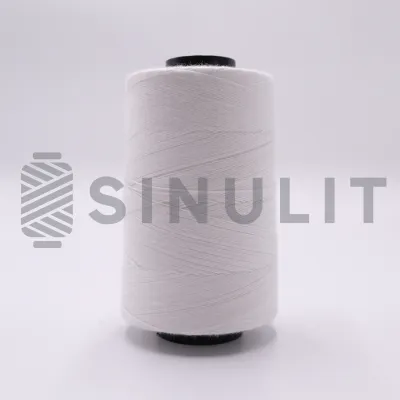
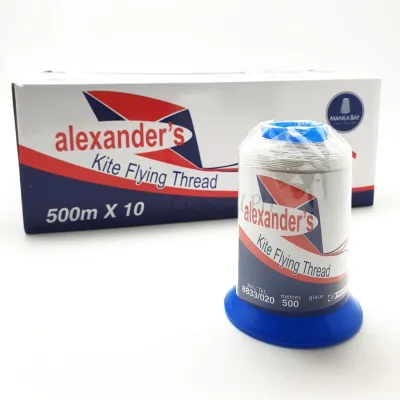
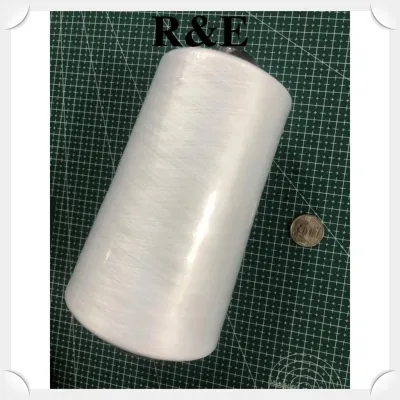
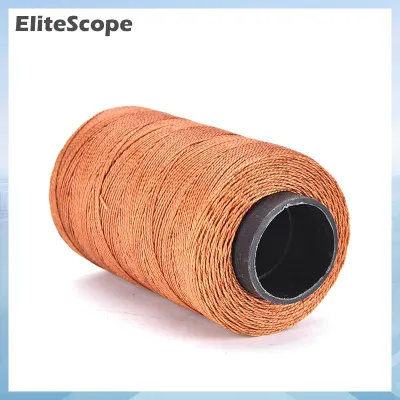
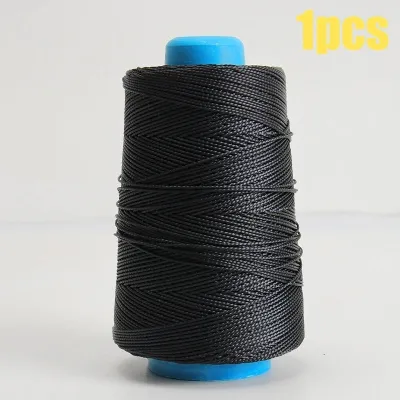
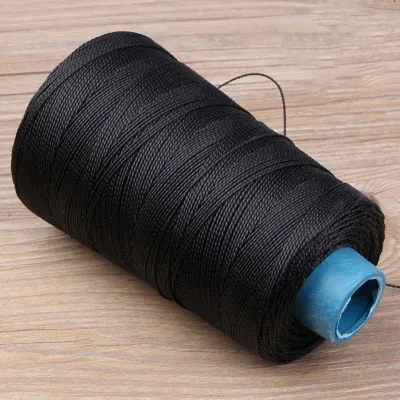
Prices are valid at publication and may change. Please refer to the product page for the latest price.
Before purchasing your thread from a local hobby shop or an online marketplace, it is essential to verify the material composition. You can inspect the packaging labels for clear material listings, looking for terms like “100% mercerized cotton” or “braided nylon.” If you are dealing with unlabelled spools, a simple physical inspection can help: nylon fibers will feel exceptionally smooth and will melt into a hard, dark bead if exposed to a small flame, whereas cotton fibers will feel slightly rougher and will burn cleanly to ash with the smell of burning paper. Always check the thread for consistent thickness and the absence of fraying or knots along the spool before committing to a purchase.
Matching the Thread to Your Local Weather and Wind
The tropical climate of the Philippines introduces unique environmental factors that directly impact how your kite line performs in the sky. High humidity, sudden rain showers, and salty sea breezes are common challenges that can quickly compromise an unsuitable thread. In wet or highly humid conditions, nylon is the clear choice. Because nylon does not absorb water, it will not sag, stretch excessively, or become heavy when flying near the ocean or during a humid afternoon. A water-logged line can drag your saranggola downward, making it difficult to maintain altitude, but nylon’s water resistance ensures that the line remains light and responsive throughout your flight.

Conversely, dry and dusty environments present a different set of challenges where cotton can show its strengths. In dry conditions, synthetic lines like nylon can accumulate static electricity or become incredibly slippery when coated in fine dust or sand. Cotton thread handles dry dirt and dust exceptionally well, maintaining its natural, high-friction grip even when dragged across dry grass or sandy soil. It does not become stiff or difficult to handle in dry heat, making it a reliable option for inland flying fields during the dry season.
Wind strength is another critical variable that dictates your choice of material and line thickness. Light, steady breezes require a lightweight line that does not add unnecessary weight to your setup, where thin cotton or light nylon can both perform well. However, when facing strong, unpredictable gusts, the wind exerts immense dynamic force on your saranggola. Nylon’s inherent elasticity allows it to stretch slightly under sudden loads, absorbing the energy of a violent gust rather than snapping instantly. If you choose cotton for windy days, you must opt for a significantly thicker ply to compensate for its lower elasticity and tensile strength, which in turn increases the weight and wind resistance of your line.
Sizing the Line for Your Kite's Weight and Pull
Selecting the correct thread thickness and strength is vital to prevent your saranggola from snapping its line and drifting away, while also ensuring the line is not so heavy that it prevents the kite from lifting. Small to medium-sized kites, such as traditional paper-and-bamboo saranggola or light plastic designs, generate relatively low pull. For these lightweight models, a thin cotton thread or a low-diameter nylon line is ideal. These lines provide sufficient strength to hold the kite secure without adding excessive weight that would drag the nose of the kite downward or prevent it from catching light thermal currents.
For large or heavy-lift kites, such as the traditional guryon or large modern delta kites, the structural pull increases exponentially. These larger frames catch vast amounts of wind, generating a continuous, heavy tension that can easily snap standard sewing thread or thin cotton lines. High-tensile braided nylon is generally necessary for these applications. Nylon’s superior strength-to-weight ratio allows you to use a line that is strong enough to withstand several kilograms of continuous pull while remaining thin enough to minimize wind drag.
To ensure a safe flight, always check the specifications provided by your kite’s manufacturer or builder. Look for recommended line weights, which are typically measured in pounds or kilograms of breaking strength. If you are flying a custom-built traditional saranggola, you can estimate the required strength by observing the kite’s behavior in a light breeze; if the frame bows significantly or pulls hard against your hand, you will need to step up to a thicker, higher-tensile nylon line. Never exceed the recommended line weight for your specific kite, as an overly heavy line will severely limit your flying altitude and responsiveness.
Handling Comfort, Grip, and Line Safety
The physical experience of managing your kite line is not just a matter of comfort; it is a critical safety consideration. When a saranggola is high in the air, the line is under constant tension, and sudden movements can cause the thread to slip rapidly through your fingers. Smooth synthetic lines like nylon pose a significant risk of friction burns or deep cuts if they slide quickly across bare skin. Because nylon is incredibly strong and thin, a fast-moving line can act like a blade under high tension, making careful handling and proper safety precautions absolutely mandatory.
Cotton thread offers a much more forgiving handling experience, especially for younger flyers or casual hobbyists. The textured surface of cotton provides natural friction against your skin, allowing you to maintain a secure grip with less physical effort. If the line does slip, the softer natural fibers are less likely to cause severe friction burns compared to synthetic alternatives. Additionally, cotton is much easier to knot securely and untangle when loops inevitably cross over during storage or flight, as the natural friction prevents knots from slipping loose while allowing you to trace and undo tangles more easily than with slick nylon.
Regardless of the thread material you choose, using protective gear is highly recommended for anyone flying medium to large kites. Wearing lightweight, durable gloves or wrapping your holding fingers in protective athletic tape can prevent painful line burns and cuts. Before launching your kite, inspect your flying area to ensure there are no bystanders, power lines, or trees nearby. Always maintain a firm grip on your spool, and never attempt to catch a fast-running line with your bare hands if the kite begins to dive or pull away rapidly.
Final Verdict: Choosing the Right Thread for Your Saranggola
To make your final decision, evaluate your typical flying conditions, the size of your kite, and your comfort level with handling different materials. Choose nylon if you frequently fly in humid, coastal, or damp environments, use larger or heavier kites that generate significant pull, or prioritize a high-tensile, low-drag line that can withstand strong gusts. Nylon’s durability and weather resistance make it an excellent long-term investment for serious flyers who want to push their kites to higher altitudes.
Choose cotton if you prefer a traditional, tactile flying experience, primarily fly smaller paper-and-bamboo kites in dry weather, or prioritize a comfortable grip and easy knot management. Cotton is highly accessible, gentle on the hands, and perfect for casual family outings in local parks where extreme wind resistance is not required.
Before heading out to fly, always verify your equipment setup. Cross-reference your kite’s weight with the manufacturer’s recommended line specifications, inspect your thread for any signs of wear or fraying, and ensure your spool is wound evenly. By matching the right thread to your specific saranggola and local environment, you will enjoy a safe, stable, and memorable flight.
Frequently Asked Questions (FAQ)
Can I use standard fishing line instead of dedicated kite thread?
Using standard monofilament fishing line as a substitute for dedicated kite thread is generally not recommended due to safety and performance risks. Fishing line is engineered to stretch significantly under water to prevent snapping when a fish pulls, but this high elasticity can make a kite highly unstable and unresponsive in the air. Furthermore, monofilament fishing line is often nearly transparent, making it extremely difficult for other people in the area to see, which creates a severe tripping or entanglement hazard. Dedicated kite thread is specifically braided to provide low stretch, high visibility, and the precise aerodynamic handling required to keep your saranggola flying safely and predictably.
How do I prevent my kite thread from tangling during storage?
To prevent your kite thread from tangling and degrading between flights, always wind the line onto a proper spool or winder using a consistent, even tension. Avoid wrapping the line too tightly, as excessive tension can stretch and weaken both nylon and cotton fibers over time. Utilizing a figure-eight wrapping pattern on a traditional wooden or plastic winder helps prevent the line from twisting and forming loops when it is unreeled. Finally, store your spools in a cool, dry place away from direct sunlight; prolonged exposure to ultraviolet rays can rapidly degrade synthetic nylon and weaken natural cotton fibers, leading to unexpected snaps during your next flight.

Community discussion
Share your experience or ask a question. Comments are reviewed before publication.