
Choosing the right boxing headgear is a critical decision that directly impacts your safety, comfort, and performance in the ring. The choice between open-face and full-face designs is not about finding a universally superior option, but rather about matching the gear’s specific features to your training environment, personal defensive skills, and sparring intensity. While headgear is an essential tool for minimizing superficial injuries like cuts, scrapes, and bruises, it is important to remember that no protective equipment can replace proper defensive training, controlled sparring partners, and sound ring judgment.
Open-face headgear prioritizes visibility and mobility, offering a lightweight profile that leaves the chin and central face exposed while protecting the forehead, temples, and sides of the head. This design is highly favored by technical sparring partners who rely on quick head movement and peripheral vision to avoid strikes entirely. Conversely, full-face headgear introduces physical barriers such as extended cheek protectors, chin bars, or even face cages to shield the nose, mouth, and jaw from direct contact. This added coverage is particularly valuable during high-intensity sparring sessions where heavy exchanges are common, though it comes at the cost of increased weight and reduced visibility.
Before investing in a specific style, you must evaluate how you train, where you train, and what rules govern your gym or competitive aspirations. In tropical environments like the Philippines, where high humidity and heat are constant factors in local training halls, secondary considerations like ventilation, sweat absorption, and weight become just as crucial as impact protection. By understanding the structural trade-offs of each design, you can make an informed decision that keeps you protected without hindering your development as a martial artist.
Products mentioned in this guide
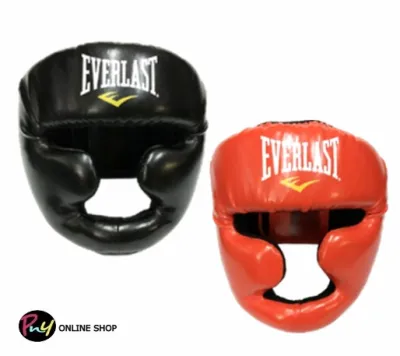
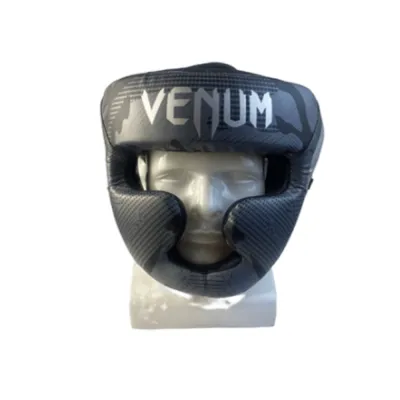
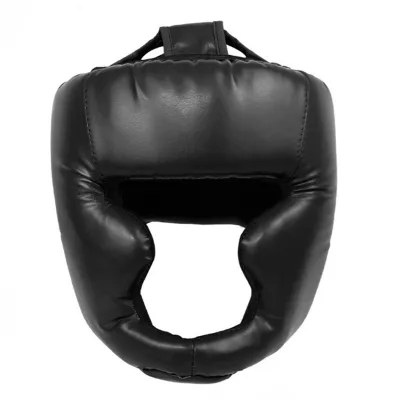
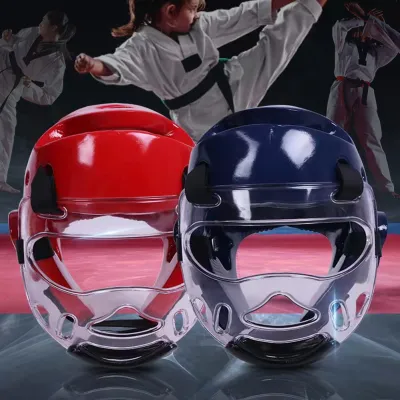
Prices are valid at publication and may change. Please refer to the product page for the latest price.
Comparing Design and Coverage: Open-Face vs Full-Face
To understand which headgear suits your needs, you must first look at how each style is constructed and how much of your head it actually covers. The open-face design is characterized by its minimalist structure, which typically covers the forehead, the temples, the ears, and the back of the head. The cheeks may have slight padding, but the chin, mouth, and nose remain completely open and unobstructed. This configuration keeps the overall weight of the gear relatively low, allowing for natural neck movement and reducing fatigue during extended training sessions.
The primary advantage of this minimalist coverage is an unrestricted field of vision. Without bulky padding around the cheeks or chin, you can easily see low-angle strikes, such as body hooks and uppercuts, which are often hidden by more protective gear. The open-face profile also keeps the head cooler, as there is less material trapping heat against your face. For fighters who rely heavily on footwork, slipping punches, and maintaining distance, this lightweight and highly visible design aligns perfectly with their defensive style.
In contrast, full-face headgear is designed to maximize physical coverage by enclosing the face within a protective padded frame. This style typically features pronounced cheek guards that flare forward to protect the nose and eyes from direct frontal impacts. Many full-face models also include a dedicated chin bar or a padded bar that runs across the mouth area, often referred to as a face-saver or nose-bar headgear. This structure ensures that punches land on the padding rather than directly on your facial features, significantly reducing the risk of broken noses, split lips, and jaw injuries.
However, this extensive coverage introduces a much larger physical profile and added weight. The extra padding and structural bars can make your head a larger target, making it slightly harder to slip punches through tight gaps. The added weight also puts more strain on your neck muscles, which can slow down your reaction times if you are not accustomed to the gear. Furthermore, the bulky cheek and chin guards create noticeable blind spots, particularly in your lower peripheral vision, making it more challenging to spot incoming body shots or low kicks in multi-discipline sparring.
Evaluating Impact Protection and Facial Defense
When evaluating the protective capabilities of boxing headgear, it is vital to distinguish between different types of impact. Headgear is highly effective at preventing localized trauma, such as lacerations, ear damage, and superficial bruising. However, you should never assume that wearing headgear—regardless of the style—prevents concussions or internal brain injuries. Concussions are caused by the rapid rotation and movement of the brain inside the skull upon impact, a force that external padding can only marginally mitigate. Therefore, your primary defense must always be your guard, your movement, and controlled sparring practices.

Open-face headgear provides excellent protection against side-of-the-head impacts, temple strikes, and accidental clashes of heads. The padding is concentrated in areas most vulnerable to structural bone damage and cuts around the eyebrows and forehead. Because the chin and nose are exposed, users of open-face gear must rely heavily on their hands-up guard and active head movement to defend the center of their face. This style forces you to maintain high defensive awareness, as there is no physical barrier to absorb a straight punch that penetrates your guard.
Full-face headgear, on the other hand, excels at distributing the force of direct frontal strikes across a wider surface area. When a punch lands on a high-quality chin bar or extended cheek protectors, the impact energy is transferred around the sturdy frame of the headgear and into the surrounding padding, rather than directly into your nose or jaw. This makes full-face gear highly effective at preventing facial cuts and bruising, which is a major consideration for hobbyists who must go to work or school the next day without visible signs of hard sparring.
When shopping for either style, you should carefully verify the manufacturer’s specifications regarding the materials used in the padding. Look for multi-layered foam systems, such as a combination of high-density closed-cell foam for shock absorption and softer open-cell foam for comfort against the skin. Some premium models incorporate gel layers or specialized synthetic polymers designed to disperse impact energy more efficiently. Always check for recognized safety certifications or labels from boxing association standards to ensure the gear has undergone standardized impact testing, rather than relying solely on marketing claims.
Matching Head Gear to Your Training Intensity
Your choice of headgear should align directly with the intensity of your sparring sessions and your overall training goals. If your routine primarily consists of technical drills, light sparring, and heavy bag work, open-face headgear is often the most practical choice. Technical sparring focuses on speed, accuracy, and movement rather than power, meaning the risk of heavy facial impact is low. In these scenarios, the superior visibility of open-face gear allows you to focus on reading your partner’s movements, perfecting your timing, and developing your defensive reflexes without the distraction of a bulky frame.
As training intensity escalates to medium and heavy sparring, the physical demands on your protective gear increase significantly. In high-intensity exchanges where punches are thrown with greater power, the likelihood of accidental head clashes and hard facial impacts rises. For these sessions, full-face headgear becomes a highly practical investment. The added protection of a chin bar or face-saver bar provides a reassuring safety margin, allowing you to work on inside fighting and pocket exchanges with a reduced risk of sustaining a disruptive facial injury.
Your defensive skill level and experience should also play a major role in your decision. Beginners who are still developing their defensive reflexes and guard often benefit from the extra coverage of full-face gear, as it helps build confidence in the ring without the immediate fear of painful facial strikes. However, some coaches argue that beginners should start with open-face gear to prevent them from developing bad habits, such as relying on the headgear to block punches instead of using proper hand guards and head movement.
Conversely, experienced fighters often prefer open-face gear because their advanced defensive skills allow them to avoid the majority of clean strikes. They value the wide field of vision, which helps them see punches coming from creative angles, over the passive protection of heavy padding. Ultimately, you must assess your typical sparring partners and the culture of your gym; if your gym frequently engages in hard, competitive sparring, the added defense of a full-face model is highly recommended to preserve your health and training consistency.
Balancing Vision, Breathability, and Comfort
Choosing headgear always involves a compromise between maximum physical protection and overall performance comfort. The most protective gear is of little use if it severely impairs your ability to see and react to incoming strikes. Full-face headgear, particularly models with thick cheek protectors and wide chin bars, can restrict your downward vision. This makes it difficult to see punches aimed at your liver or solar plexus, and in sports like kickboxing or Muay Thai, it can completely hide low kicks and knee strikes, forcing you to tilt your head downward and compromise your posture.
Breathability and heat management are equally critical, especially when training in warm, humid environments. In tropical climates like the Philippines, training in a poorly ventilated gym can quickly lead to overheating and excessive sweating. Open-face headgear, with its minimal coverage and exposed face, allows for natural airflow that helps cool your skin and evaporate sweat. Full-face models trap a significant amount of heat and moisture around your cheeks, mouth, and forehead, which can lead to rapid fatigue, discomfort, and sweat dripping directly into your eyes during a round.
Fit and stability are the final pieces of the comfort puzzle. Because full-face headgear is heavier and bulkier, it is more prone to shifting when struck, which can block your vision entirely mid-combination. To prevent this, you must ensure the gear features a secure fastening system, such as a lace-up top, a heavy-duty hook-and-loop chin strap, and an adjustable rear closure. When trying on headgear, move your head vigorously from side to side and mimic slipping punches; the gear should feel like an extension of your head, staying firmly in place without pinching your temples or restricting your breathing.
Making Your Final Decision: Which Style Fits You?
To finalize your decision, you must weigh your personal training priorities against the specific trade-offs of each headgear style. There is no single correct choice, but rather a correct choice for your specific circumstances, budget, and physical needs.
You should choose open-face headgear if:
- You prioritize a wide, unobstructed field of vision to improve your defensive reflexes and peripheral awareness.
- Your training consists primarily of light to moderate technical sparring, flow drills, and speed work.
- You train in a hot, humid environment and require maximum breathability and heat dissipation to stay comfortable.
- You prefer a lightweight, low-profile feel that does not restrict your neck movement or add strain during long sessions.
You should choose full-face headgear if:
- You regularly engage in heavy, full-contact sparring where the risk of hard facial impacts and head clashes is high.
- You cannot afford to sustain visible facial cuts, bruises, or nose injuries due to professional, school, or personal commitments.
- You are a beginner looking to build confidence in the ring while learning to manage the anxiety of incoming punches.
- You are preparing for specific amateur competitions that permit or require full-face protective gear during training camps.
Before making your final purchase, always verify the specific rules of your local gym, as some coaches have strict policies regarding the type of headgear allowed during sparring. If you plan to compete in amateur bouts, check the guidelines of the national or local sanctioning body, as they often maintain a list of approved gear styles and brands for official competitions. Whenever possible, try on different sizes and styles at a local sporting goods store to ensure a snug, comfortable fit that matches the unique shape of your head.
Frequently Asked Questions (FAQ)
How do I clean and maintain my boxing head gear to prevent odors?
To keep your headgear fresh and prevent the buildup of bacteria and unpleasant odors, you must establish a consistent post-training cleaning routine. Immediately after your workout, use a clean, dry microfiber cloth to wipe away excess sweat and moisture from both the interior lining and the exterior shell. For a deeper clean, wipe the surfaces with a damp cloth dipped in a mild, soapy water solution, or use a specialized gear cleaning spray that is safe for synthetic or genuine leather.
Never submerge your headgear in water or wash it in a washing machine, as this can ruin the internal foam padding and degrade the outer material. Always allow your gear to air dry completely in a well-ventilated indoor area, away from direct sunlight and artificial heat sources like hair dryers, which can crack the leather and warp the protective foam.
Can I use open-face head gear for amateur boxing competitions?
Whether you can use open-face headgear in amateur competitions depends entirely on the rules of the specific sanctioning body governing the event. Many amateur boxing organizations, including international Olympic-style boxing associations, have transitioned to requiring open-face headgear for certain male divisions to emphasize visibility and active defense, while other divisions or local tournaments may still require or allow headgear with cheek protectors.
Because these regulations are subject to frequent updates and vary significantly by region, age group, and competitive class, you should never assume a specific style is universally accepted. Always consult your coach and review the official rulebook of your local athletic commission or boxing federation before purchasing headgear intended for competitive use.

Community discussion
Share your experience or ask a question. Comments are reviewed before publication.