
Selecting the ideal mini hoop for your home or office comes down to a balance of your physical space, your housing arrangements, and how aggressively you intend to play. There is no single option that fits every environment. Renters and those with limited floor space often find that over-the-door models offer the easiest setup, while dedicated players looking for a true basketball feel usually prefer the rigid stability of a wall-mounted unit. Meanwhile, portable hoops provide the versatility needed to transition from indoor rooms to outdoor driveways. Whether you are looking to spend a few hundred ₱ on a simple setup or invest in a heavy-duty system, evaluating your specific space constraints and practice goals first will help you identify which installation style serves you best.
Assessing Your Space and Installation Constraints
Before purchasing any mini hoop, you must carefully evaluate the physical boundaries of your intended playing area. Failing to measure your space beforehand can lead to damaged walls, scraped doors, or a hoop that simply does not fit your room.
For over-the-door models, the primary concern is the physical clearance of your door and its frame. Start by measuring the thickness of the door where you plan to hang the bracket. Most standard interior doors measure around 3.5 to 4 centimeters thick, but you must verify this against the manufacturer’s bracket dimensions to prevent a loose, rattling fit. Additionally, check the gap between the top of the door and the frame when the door is closed. A simple way to test this is by placing a small coin or a piece of folded cardboard on top of the door; if the door cannot close smoothly with the object in place, the metal brackets of a mini hoop will likely scrape your door frame or prevent the door from latching entirely. You should also inspect the door frame itself to ensure it is sturdy enough to handle the downward pull of repeated shots.
Products mentioned in this guide
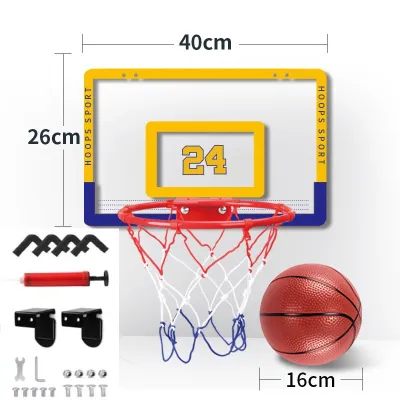
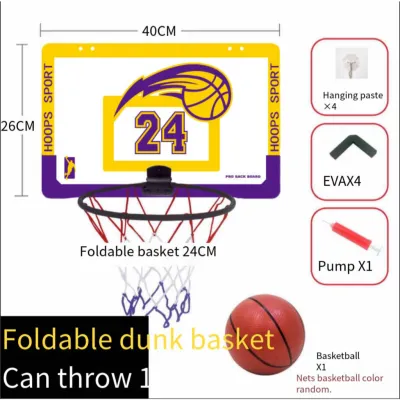
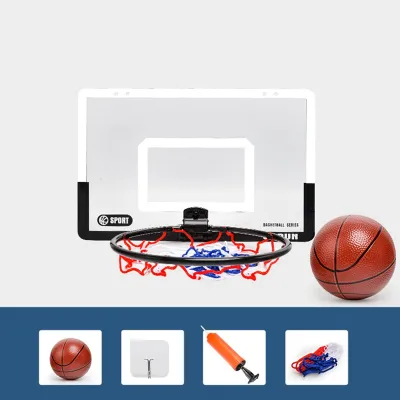
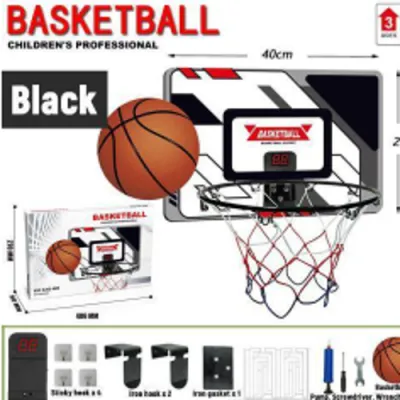
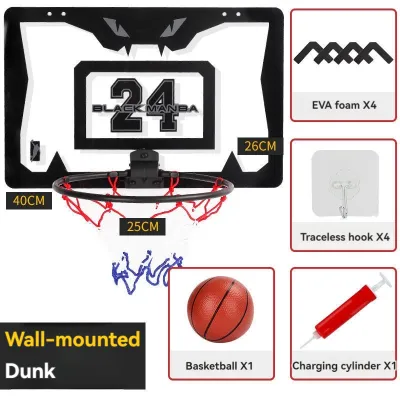
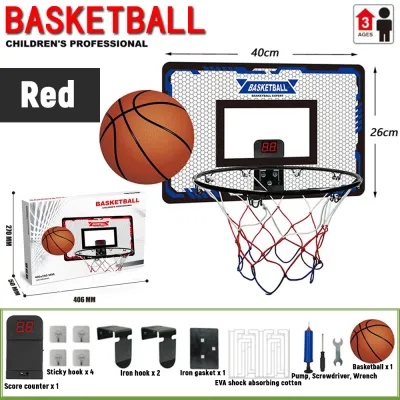
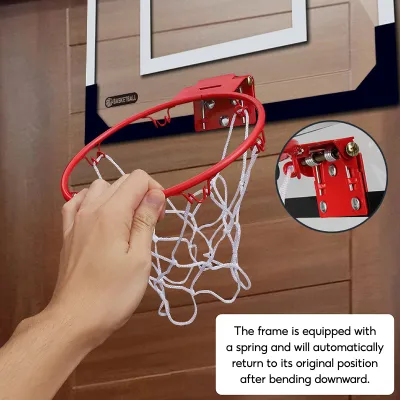
Prices are valid at publication and may change. Please refer to the product page for the latest price.
Wall-mounted setups require a completely different set of structural evaluations. You must identify the material of the wall where you plan to install the hoop. In many homes, especially in tropical climates like the Philippines, interior walls may consist of solid concrete, hollow concrete blocks, or drywall over wooden or metal studs. Mounting a hoop directly into drywall without anchoring it to a stud will inevitably tear the wall apart under the force of a shot. Use a stud finder or tap the wall to locate solid wooden studs before drilling. If you are mounting onto concrete, you will need a hammer drill and appropriate masonry anchors. Furthermore, if you are renting your home or condo, review your lease agreement carefully. Most landlords prohibit drilling deep holes into walls, which might immediately rule out a wall-mounted system.
Portable mini hoops offer excellent flexibility, but they demand a significant amount of floor space. You must calculate the footprint of both the base and the support pole to ensure it does not block hallways or create tripping hazards. If you plan to use a portable hoop indoors, measure your ceiling height carefully. A hoop that stands two meters tall might leave very little clearance for the ball to arch toward the rim if your ceilings are low. You also need to plan for storage. Consider whether you have a garage, a balcony, or a dedicated closet space to roll the hoop into when it is not in use, especially during heavy tropical rains when outdoor equipment must be brought inside to prevent damage.
Evaluating Stability, Rebound, and Build Quality
The materials and engineering of a mini hoop directly dictate how realistic your practice sessions will feel and how long the equipment will last. Inspecting these specifications before buying helps you avoid flimsy models that shake excessively after every shot.

The backboard material is the most critical factor for rebound consistency. Most entry-level mini hoops use thin plastic or acrylic, which is lightweight but tends to absorb the energy of the ball, resulting in a dead or unpredictable bounce. For a more realistic rebound, look for backboards made of thick polycarbonate or shatterproof polymer. These materials are highly impact-resistant and mimic the stiffness of a regulation glass backboard. If you plan to mount the hoop outdoors, check the manufacturer’s specifications to ensure the backboard is UV-resistant, as intense tropical sunlight can cause low-grade plastics to yellow, become brittle, and crack over time.
The mounting hardware and brackets are what keep the hoop secured during intense play. For over-the-door models, look for brackets lined with thick, high-density foam padding. This padding serves two vital purposes: it absorbs the vibration of the ball hitting the rim, which dramatically reduces noise, and it protects the paint on your door from scratches. The steel gauge of the brackets also matters. Thin, flexible metal brackets will bend under pressure, whereas heavy-duty steel brackets maintain their shape and keep the backboard flush against the door. For wall-mounted units, ensure the package includes robust steel mounting brackets and high-quality anchors suitable for your specific wall type.
When evaluating portable hoops, the stability of the base and the design of the pole are paramount. Look for a base with a wide, low-profile footprint that can hold a substantial volume of ballast. The pole itself should be made of powder-coated steel to resist rust, especially in humid environments. Pay close attention to the rim attachment. A spring-loaded breakaway rim is highly recommended for all hoop types. This mechanism uses a compression spring to absorb the downward force of a shot or a light dunk, protecting the backboard from shattering and reducing the stress transferred to your door or wall. However, even with a breakaway rim, you should verify the manufacturer’s instructions regarding dunking, as most mini hoops are not designed to support a player’s full body weight.
Matching the Mini Hoop to Your Practice Goals
Your choice of mini hoop should align with how you plan to use it. Different designs excel in different scenarios, whether you want a quick distraction during work breaks or a reliable tool for sharpening your shooting form.
Casual indoor play is the perfect match for over-the-door mini hoops. These models are designed for convenience and quick setup, making them ideal for bedrooms, dorm rooms, or offices. If your primary goal is to shoot light foam balls, practice trick shots, or have a fun way to pass the time while sitting at your desk, an over-the-door hoop provides more than enough functionality. They require no permanent modifications to your space, and you can easily pack them into a suitcase or backpack if you need to move. Because they are lightweight, they are also safer for younger children who are just learning to throw a ball.
For dedicated skill drills, a wall-mounted setup is almost always the superior choice. Because the backboard is anchored directly to a solid wall or wooden studs, it eliminates the wobble and sway common in door-mounted models. This stability ensures that when you practice layups, bank shots, or quick catch-and-shoot drills, the ball rebounds off the backboard at a realistic and consistent angle. If you are serious about improving your hand-eye coordination, practicing your shooting release, or executing high-repetition drills indoors, the solid feel of a wall-mounted hoop will closely replicate the experience of playing on a full-sized court.
Outdoor and flexible use requires the mobility of a portable mini hoop. If you want to enjoy shooting hoops in your driveway, on a patio, or in a spacious backyard, a portable model is the only practical option. These hoops allow you to take advantage of good weather and enjoy active play in open spaces where you do not have to worry about knocking over indoor furniture or breaking household items. They are also excellent for multi-use spaces. For example, you can roll the hoop out to the driveway for an afternoon game with friends, and then wheel it back into a garage or carport before a sudden tropical downpour begins.
Final Decision Framework: Which Setup Fits Your Needs?
To make your final decision, match your living situation and playing style against the following practical guidelines.
Choose an over-the-door mini hoop if you live in a rental property where drilling is strictly prohibited, have very limited floor space, or want a budget-friendly option that you can set up in minutes. This style is perfect for casual, low-impact play and can be easily moved from room to room or packed away when you need to clear the space.
Choose a wall-mounted mini hoop if you own your home or have explicit permission to drill into the walls, possess a solid concrete wall or accessible wooden studs, and want the most stable, quiet, and realistic rebound possible for serious shooting practice.
Choose a portable mini hoop if you have a flat outdoor surface like a driveway or patio, want the freedom to adjust the hoop’s height for different players, and have adequate storage space to protect the unit from harsh weather conditions when it is not in use.
Before finalizing your purchase, always verify your specific physical constraints. Measure your door thickness and top gap clearance for door models, locate your wall studs or confirm your wall material for wall mounts, and check the manufacturer’s manual for the exact base dimensions and fill requirements of portable models. Taking these quick steps beforehand ensures your new mini hoop fits perfectly and provides years of safe, active fun.
Frequently Asked Questions (FAQ)
Can I use an over-the-door mini hoop on any standard door?
You cannot use an over-the-door mini hoop on every door without first checking its construction and dimensions. Always measure the thickness of your door and compare it to the bracket width specified by the manufacturer to ensure a snug fit. You must also check the clearance gap at the top of the door frame; if the gap is too narrow, the metal brackets will scrape the frame and prevent the door from closing. Finally, avoid hanging mini hoops on hollow-core doors. These doors have thin veneer faces and hollow interiors that cannot withstand the downward pulling forces of active play, which can easily lead to cracked wood or torn hinges.
What should I use to weigh down a portable mini hoop base?
You should always consult the manufacturer’s instruction manual to determine the approved fill materials and maximum weight capacity for your specific portable base. Most bases are designed to be filled with either dry sand or water. Sand is significantly denser than water, providing a heavier and more stable foundation that prevents the hoop from tipping over during windy conditions or high-impact play, though it makes the hoop much harder to empty and relocate. Water is highly convenient, easy to fill, and simple to drain when you need to move the hoop, but you must ensure the base has no slow leaks. Never exceed the manufacturer’s recommended fill line, as overfilling can cause the plastic base to crack under pressure.

Community discussion
Share your experience or ask a question. Comments are reviewed before publication.