
Choosing between an overgrip and a replacement grip is one of the simplest yet most impactful decisions you can make to customize your badminton racket’s performance. While both accessories wrap around the handle to improve your hold, they serve entirely different structural roles. A replacement grip is a thick, cushioned layer applied directly to the bare wooden handle of the racket, acting as the primary shock absorber. In contrast, an overgrip is a much thinner, highly tactile band wrapped over an existing base grip to adjust the texture, moisture absorption, and handle thickness without adding significant bulk.
Understanding how these two grip types interact with your hands and your racket is essential for maintaining control during fast-paced rallies. Selecting the wrong type can lead to a handle that feels either too bulky and unresponsive or too harsh on your joints. By evaluating your playing environment, sweat levels, and comfort preferences, you can easily determine which grip setup will keep your shots precise and your hands blister-free.
Understanding the Structural and Functional Differences
To understand how these grips function, it helps to look at the anatomy of a badminton racket handle. When a racket leaves the factory, the bare wooden handle is wrapped in a foundational layer known as the factory or replacement grip. This grip is relatively thick, usually featuring a foam or polyurethane backing designed to absorb the heavy vibrations generated when the shuttlecock impacts the string bed. It typically has a full-length adhesive strip on the underside to ensure it bonds securely to the wood without sliding during high-speed swings.
Products mentioned in this guide
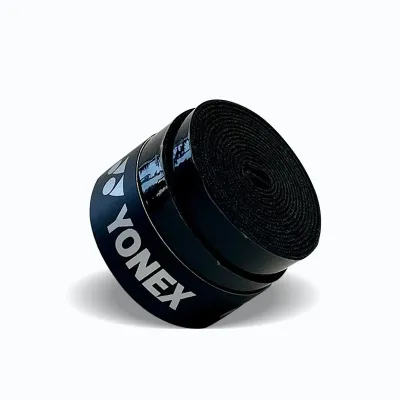
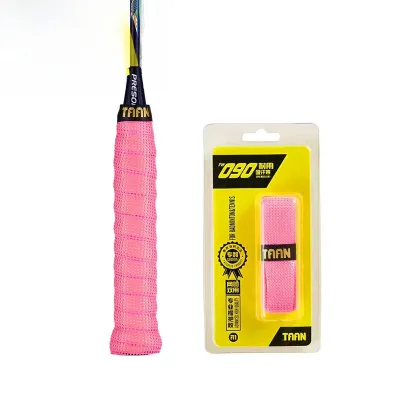
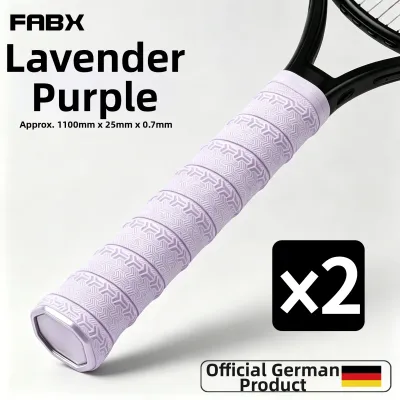
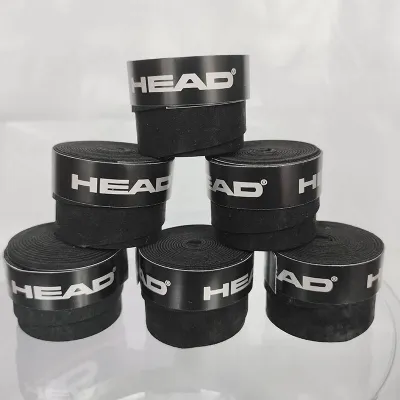
Prices are valid at publication and may change. Please refer to the product page for the latest price.
An overgrip, on the other hand, is designed to be a temporary, customizable outer layer. It is significantly thinner than a replacement grip and generally lacks a full adhesive backing, featuring only a small adhesive tab at one end to help you start or finish the wrapping process. Because of its thin profile, an overgrip relies on the underlying base grip to provide the necessary cushioning. Its primary job is to deliver immediate tactile feedback, whether you prefer a sticky, tacky surface or a soft, dry texture.
When comparing thickness profiles, replacement grips are engineered to offer substantial depth, which helps distribute the pressure of your hand across the handle. Overgrips are designed to minimize bulk, allowing players to refresh their grip surface frequently without dramatically changing the handle size. This structural difference directly affects how much shock travels up your arm; a thick replacement grip dampens vibrations, while a thin overgrip transmits more immediate feedback from the racket face to your fingers.
When to Choose an Overgrip for Your Racket
An overgrip is highly practical for players who train frequently in warm, humid environments. In tropical climates like the Philippines, indoor badminton courts can trap heat and humidity, causing players to sweat profusely. Under these conditions, a grip can quickly lose its tackiness and become slippery. Because overgrips are inexpensive and easy to install, they allow you to refresh your handle’s surface texture regularly, ensuring your racket does not fly out of your hand during a sudden smash.

Another common reason to choose an overgrip is to make minor adjustments to your handle circumference. If your racket’s handle feels slightly too small for your palm, wrapping a single overgrip on top of the base grip can build up the size just enough to provide a more secure hold. This minor adjustment helps prevent you from squeezing the handle too tightly, which can cause forearm fatigue and restrict your wrist movement during quick defensive exchanges.
Overgrips also serve as a protective shield for your more expensive replacement grip. By absorbing the dirt, oils, and sweat from your hands, the overgrip prevents these elements from degrading the foundational foam underneath. When the overgrip becomes dirty or loses its friction, you simply peel it off and wrap a new one, keeping the underlying base grip clean and intact for a much longer period.
However, players must consider the trade-off of adding layers. While an overgrip provides excellent surface freshness, adding multiple overgrips will gradually increase the weight of the handle. This extra weight can shift the racket’s balance point slightly toward the handle, making a head-heavy racket feel more even-balanced. For players who rely on the head-heavy momentum for powerful smashes, this subtle shift in balance is an important factor to monitor.
When to Install a Replacement Grip
There comes a point when simply wrapping a fresh overgrip is no longer enough, and you must completely replace the foundational layer. The most obvious sign of base grip failure is physical degradation. If you notice the original grip peeling, flaking, hardening, or losing its springiness, it is time for a complete replacement. Over time, sweat can seep through an overgrip and saturate the base grip, leading to persistent foul odors and a buildup of bacteria that cannot be ignored.
Installing a new replacement grip is also necessary when you are building up a handle from the bare wood. This situation often arises when you purchase a secondhand racket that has had its original grip removed, or when you decide to strip down a worn-out factory grip to customize your setup from scratch. Without a proper replacement grip as a base, the racket handle will feel incredibly harsh and uncomfortable to hold.
If you frequently experience wrist fatigue, elbow soreness, or arm strain after heavy smashing sessions, your current base grip may have compressed to the point of failure. When the internal cushioning degrades, it can no longer absorb the shock of high-impact shots, transferring that harmful vibration directly into your joints. A fresh replacement grip restores that vital protective barrier, allowing you to play longer with less physical strain.
Before purchasing a replacement grip, always check the racket manufacturer’s guidelines regarding handle care. Some high-end rackets feature specialized wood treatments or handle materials that require specific types of adhesive backings to prevent damage during removal. Ensuring compatibility helps preserve the structural integrity of your racket’s wooden handle over years of play.
Key Comparison Dimensions for Badminton Grips
When deciding which grip type to purchase, comparing their practical characteristics side-by-side can help you make an efficient choice. The installation effort required for each type is a major practical difference. Applying an overgrip is a quick, five-minute process that can easily be done court-side between matches. Replacing a base grip, however, requires you to carefully peel off the old material, scrape away any stubborn adhesive residue from the wooden handle, and apply the new grip with high, even tension to prevent it from shifting or bunching up during play.
Durability and replacement frequency also vary widely between the two categories. Because overgrips are thin and bear the direct brunt of hand friction and sweat, they are designed to be replaced frequently—often after just a few intense playing sessions. Replacement grips are built from much tougher, thicker materials designed to withstand months of compression and play before they lose their structural integrity.
Texture and feel options are abundant in both categories, but they serve different tactile preferences. Overgrips excel at providing specialized surfaces, such as ultra-tacky finishes that stick to your palm, dry-feel polyurethane that mimics the texture of a soft towel, or perforated patterns that help channel sweat away from your skin. Replacement grips focus more on structural feel, offering options like ribbed profiles with a foam strip running through the center to give your fingers natural ridges to hold onto.
From a budget perspective, overgrips are highly economical per unit, typically sold in multi-packs that cost around ₱50 to ₱150 per individual grip. This makes them ideal for frequent changes. Replacement grips are a larger single investment, generally ranging from ₱200 to ₱500 per piece, reflecting their complex construction, adhesive backing, and long-term durability.
| Dimension | Overgrip | Replacement Grip |
|---|---|---|
| Primary Role | Surface texture, tackiness, and moisture control | Foundational cushioning and shock absorption |
| Application Surface | Wrapped over an existing base or replacement grip | Applied directly onto the bare wooden handle |
| Cushioning Level | Minimal to light | Moderate to high |
| Typical Lifespan | 3 to 10 playing sessions | 3 to 12 months of regular use |
| Adhesive Backing | Small adhesive tab at the starting end only | Full-length adhesive strip on the underside |
| Average Cost Range | ₱50 to ₱150 per piece | ₱200 to ₱500 per piece |
Step-by-Step Selection and Application Rules
Before buying any grip, perform a quick pre-purchase inspection of your racket handle. Squeeze the handle firmly along its entire length. If you feel the hard edges of the wooden octagonal handle pressing sharply into your palm, or if the handle feels lumpy and uneven, your base grip has collapsed. In this scenario, buying an overgrip will not solve the comfort issue; you must purchase a replacement grip to rebuild the foundation. If the handle still feels firm, smooth, and cushioned, a simple overgrip is all you need to refresh the surface.
When applying your chosen grip, consistency is key to achieving a professional finish. Start wrapping from the very bottom of the handle, covering the butt cap securely. Angle the grip upward at a slight diagonal, maintaining firm, steady tension as you rotate the racket. For overgrips, avoid pulling too hard, as excessive stretching can thin out the material and ruin its built-in cushioning. Ensure each turn overlaps the previous one by about 1.5mm to 2mm to prevent gaps from opening up when you squeeze the handle during play.
Never wrap a fresh overgrip over a severely degraded, damp, or moldy base grip. Trapping moisture beneath a synthetic layer creates a breeding ground for bacteria and mold, which will eventually rot the wooden handle underneath. If the base grip is damp from a long playing session, allow the racket to air dry completely in a well-ventilated area before applying an overgrip.
Finally, know when to step back and seek assistance. If you peel off an old replacement grip and discover that the wooden handle is cracked, soft, or splintered, do not attempt to wrap over it. Similarly, if the plastic butt cap is loose or the staples holding it in place have rusted through, take your racket to a professional racket technician or stringer. They can inspect the wood, repair minor structural issues, and apply a fresh base grip with professional precision.
Frequently Asked Questions (FAQ)
Can I put an overgrip directly on the bare wooden handle?
Wrapping an overgrip directly onto a bare wooden handle is not recommended. Because overgrips are extremely thin, they do not provide enough cushioning to absorb the heavy vibrations of badminton play, which can quickly lead to wrist pain or elbow injuries. Furthermore, without a thick, protective replacement grip, sweat will easily seep through the thin overgrip and soak directly into the wooden handle. Over time, this moisture exposure can cause the wood to warp, rot, or crack, severely compromising the structural integrity of your racket.
How often should I change my badminton grip?
Your replacement frequency depends heavily on how often you play, how much your hands sweat, and the local climate. For overgrips, look for visual and tactile signs of wear such as fraying, discoloration, a slick surface that slips during swings, or a loss of its original tackiness. In humid conditions, active players often change their overgrip every 3 to 10 playing sessions to maintain optimal control. Replacement grips last much longer and generally only need to be changed every 3 to 12 months, or whenever they lose their springiness and fail to absorb shock.
Does grip thickness affect the racket's balance and swing weight?
Yes, the thickness and number of grip layers you apply will alter your racket’s physical balance. Adding a thick replacement grip or wrapping multiple overgrips adds weight to the handle end of the racket. This extra weight shifts the overall balance point downward, making the racket feel more head-light. While a head-light setup increases your defensive maneuverability and allows for faster racket head speed during quick net exchanges, it slightly reduces the leverage and power available for heavy, rear-court smashes.

Community discussion
Share your experience or ask a question. Comments are reviewed before publication.