
Selecting a reliable shelter is one of the most critical decisions for any outdoor enthusiast exploring the diverse landscapes of the Philippines. From the windy ridges of Mt. Pulag to the humid coastal shores of Anawangin Cove, the local climate presents a unique set of challenges that can quickly test the limits of standard camping gear. A parabolic tent, characterized by its continuous curved profile and aerodynamic geometry, offers a highly stable and weather-resistant alternative to traditional dome or cabin designs. By distributing structural tension evenly across its curved frame, this design helps campers withstand sudden tropical downpours and strong gusts of wind.
However, finding the right parabolic tent for your specific adventures requires a clear understanding of how these structures interact with tropical elements. Rather than relying on generic marketing claims or assuming one model fits every scenario, smart campers evaluate tents based on verifiable material specifications, ventilation efficiency, and structural design. This guide provides a comprehensive framework to help you assess parabolic tents, ensuring your next shelter keeps you safe, dry, and comfortable in the field.
Understanding the Parabolic Tent Design
The defining characteristic of a parabolic tent is its mathematical curve, which mimics the natural strength of an arch. Unlike traditional dome tents that rely on intersecting straight poles bent into simple semi-circles, or cabin tents with vertical walls and angled roofs, a parabolic structure utilizes continuous, sweeping curves. This geometric configuration ensures that external forces, such as wind pressure or heavy rain, are distributed evenly across the entire surface area of the tent rather than concentrating on specific stress points or pole joints.
Products mentioned in this guide
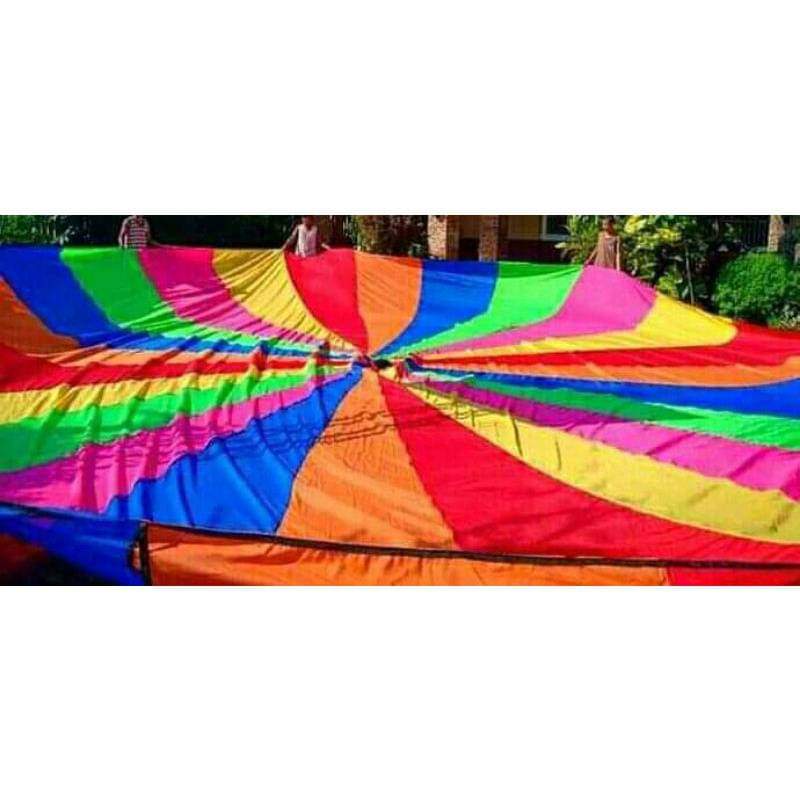
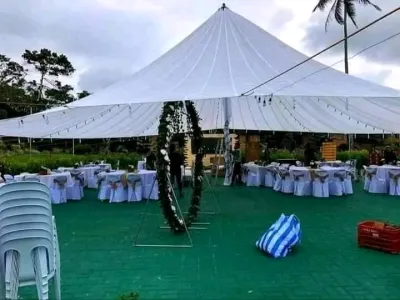

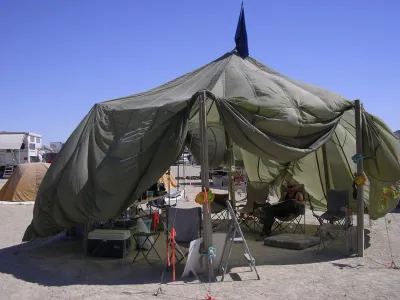


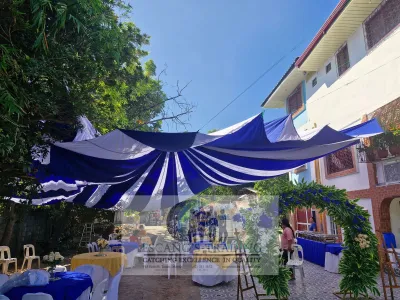
Prices are valid at publication and may change. Please refer to the product page for the latest price.
From an aerodynamic perspective, this curved profile significantly reduces wind resistance. When high winds encounter a flat tent wall, they create a high-pressure zone that pushes against the fabric, threatening to collapse the poles or tear the stakes from the ground. In contrast, the smooth, sloping sides of a parabolic tent allow wind to glide over and around the structure with minimal drag. This makes the design exceptionally stable in exposed environments, such as open mountain ridges or coastal campsites, where wind directions can shift rapidly and unpredictably.
Beyond wind shedding, the parabolic shape optimizes interior space and headroom distribution. In a standard dome tent, the walls slope inward sharply from the base, creating usable headroom only at the very center of the tent. A parabolic arch rises more vertically from the ground before curving over the top, which expands the volume of usable space near the sides of the inner tent. This design allows occupants to sit upright, change clothes, and organize gear comfortably without constantly brushing against damp tent walls.
These structural benefits make parabolic tents highly suitable for a variety of outdoor adventures. They serve as excellent basecamp shelters for multi-day mountaineering expeditions where weather conditions can deteriorate quickly. They are equally valuable for coastal campers who need a stable shelter that can handle persistent sea breezes without flapping excessively or losing structural integrity over several days of exposure.
Evaluating Weather Resistance for Philippine Conditions
The tropical climate of the Philippines demands rigorous attention to weatherproofing specifications. When evaluating a parabolic tent, the hydrostatic head (HH) rating is a primary indicator of fabric water resistance. Measured in millimeters, this rating represents the height of a water column that the fabric can support before moisture begins to penetrate. For the intense downpours and prolonged monsoon seasons common in the region, look for a rainfly with a minimum rating of 1,500mm to 2,000mm, and a tent floor rated at 3,000mm or higher. The floor requires a higher rating because the physical pressure of campers sitting or sleeping on it can force water through less resistant fabrics.

However, high water resistance must be balanced with effective ventilation to manage the extreme humidity of tropical environments. When warm, moist air from your breath and body heat is trapped inside a sealed tent, it condenses against the cooler rainfly fabric, creating interior dampness that can be mistaken for a leak. To prevent this, verify that the tent features extensive mesh panels on the inner body to facilitate continuous airflow. Adjustable rainfly vents, positioned near the peak of the parabolic curve, are essential; they allow warm air to escape while drawing cooler air in from the bottom, maintaining a comfortable interior climate even during humid rainy nights.
The materials used in the tent’s frame are just as critical as the fabrics. Aluminum poles, particularly those made from high-grade alloys, offer the flexibility and strength needed to maintain the parabolic shape under stress. Unlike fiberglass poles, which are heavier, less flexible, and prone to splintering or shattering under sudden wind loads, aluminum poles bend resiliently and can often be repaired in the field with a simple splint.
Additionally, examine how the poles connect to the tent body. Continuous pole sleeves, which run the entire length of the tent fabric, distribute tension and wind loads uniformly across the structure, enhancing overall stability. Clip-on systems, while faster to pitch, concentrate stress at individual attachment points, which can lead to localized fabric wear or pole deformation during severe gusts. A hybrid design that combines short sleeves at critical structural points with clips elsewhere can offer a practical balance of stability and ease of assembly.
Matching Tent Specifications to Your Camping Style
Selecting the right parabolic tent requires aligning its physical specifications with your primary camping activities. One of the most common pitfalls is taking manufacturer capacity ratings at face value. A tent rated for “three persons” typically indicates the maximum number of standard sleeping pads that can be laid side-by-side on the floor with virtually no space in between. For realistic comfort, especially during multi-day trips where you must store backpacks, boots, and personal items inside, it is advisable to subtract one person from the official rating. A two-person camping style is best served by a three-person tent, while solo hikers will find a two-person model provides the necessary space for gear organization.
Packed weight and bulk are critical considerations if you plan to carry your shelter over long distances. For backpacking, trail hiking, or multi-day mountain treks, look for lightweight parabolic models that utilize high-tenacity, low-denier fabrics and ultra-light aluminum poles. These materials reduce the overall weight of the tent package, making it easier to fit inside or lash to the exterior of a multi-day pack. Conversely, if your adventures primarily involve car camping, overlanding, or established campsites where carrying distance is minimal, you can prioritize durability and space over weight. In these scenarios, heavier fabrics offer greater resistance to abrasion and UV degradation at a lower price point.
The design and size of the tent’s vestibules—the covered areas created by extending the rainfly beyond the inner tent doors—should also influence your decision. In wet tropical climates, a generous vestibule is invaluable. It serves as a transition zone where you can remove muddy boots, store wet rain gear, and keep bulky backpacks protected from the elements without bringing moisture and dirt into the dry sleeping compartment. Look for parabolic designs that feature dual vestibules and dual doors, which not only provide separate storage areas for multiple campers but also allow for cross-ventilation when the weather permits.
Setup, Maintenance, and Safety Checks
Proper field practices are essential to maximize the performance and lifespan of your parabolic tent. When arriving at your campsite, take time to select an optimal pitch site. Avoid low-lying depressions, dry riverbeds, or natural drainage paths where rainwater can pool or flow during sudden downpours. Look for level ground that is free of sharp rocks, roots, and thorny vegetation that could puncture the tent floor. Whenever possible, utilize natural windbreaks such as dense bushes or rock formations to shield your shelter from the strongest gusts, but avoid pitching directly under large, dead tree branches that could fall during a storm.
Securing the tent properly is vital for structural integrity. Always deploy all included guy lines and tension them evenly to maintain the parabolic shape of the rainfly. Drive your tent stakes into the ground at a 45-degree angle pointing away from the tent, ensuring they are fully submerged to prevent them from pulling loose. In loose, sandy soils typical of beach campsites, standard thin stakes will not hold; instead, use specialized wide sand stakes or employ “deadman” anchoring techniques by burying heavy logs or rocks tied to your guy lines.
After returning from a trip, thorough maintenance is required to prevent fabric degradation. The high humidity and warmth of the Philippines create an ideal environment for mold and mildew, which can ruin waterproof coatings and rot fabrics within days. Never store a damp or dirty tent in its stuff sack. As soon as you return home, pitch the tent or hang it up in a dry, shaded, well-ventilated area until every component is completely dry. Clean off dirt, sand, and salt spray by wiping the fabric with a soft sponge and clean, lukewarm water. Avoid using harsh household detergents, washing machines, or dryers, as these can strip away the waterproof polyurethane or silicone coatings.
Before embarking on any outdoor excursion, perform a comprehensive pre-trip inspection. Set up your tent in your yard or a local park to verify that all components are present and functioning. Check the seams for signs of peeling or cracking seam tape, and apply a specialized seam sealer if you detect any wear. Inspect the zippers for smooth operation, clearing away any sand or grit with an old toothbrush, and examine the aluminum pole sections for hairline cracks, corrosion, or bent connectors that could fail under tension in the field.
Purchasing Considerations and Retailer Verification
When investing in a parabolic tent, where you buy is just as important as what you buy. The outdoor gear market can contain counterfeit products or grey-market imports that lack quality control and official support. To ensure you are purchasing a genuine, high-quality shelter, buy directly from authorized brand dealers or reputable local outdoor specialty shops. Authorized retailers can verify the authenticity of the product and provide accurate specifications tailored to local conditions.
Furthermore, purchasing through official channels ensures you have access to manufacturer warranties and after-sales support. A reliable warranty typically covers manufacturing defects in materials, seam taping, and pole construction for a specified period. Should you encounter a structural defect or a broken pole section, an authorized dealer can facilitate repairs or source genuine replacement parts, which is often difficult or impossible when buying from unverified online sellers.
Finally, compare the accessories included with the tent against your expected camping environments. Many manufacturers pack their tents with basic, lightweight stakes suitable only for soft, grassy soil. If you plan to camp on rocky mountain ridges or sandy beaches, you will likely need to budget for aftermarket upgrades. Consider purchasing a set of high-strength aluminum Y-stakes for hard-packed ground, specialized sand anchors, and reflective guy lines to improve night visibility around your campsite.
Frequently Asked Questions (FAQ)
Are parabolic tents harder to pitch than standard dome tents?
While the curved pole structure of a parabolic tent may appear complex at first glance, modern designs are engineered for straightforward assembly. Most models utilize color-coded poles that correspond to matching sleeves or grommets on the tent body, reducing guesswork during setup. The primary difference lies in the tension required to bend the high-strength aluminum poles into their parabolic shape, which can require slightly more physical effort than pitching a standard dome tent. Practicing the setup process in a controlled environment before your first trip will help you master the technique and ensure a quick, efficient pitch on the trail.
Can a parabolic tent withstand typhoon-force winds?
It is critical to understand that no standard recreational camping tent is designed to withstand typhoon-force winds or extreme tropical storms. While the aerodynamic profile of a parabolic tent offers exceptional stability in moderate-to-strong winds, equipment cannot replace sound human judgment and safety planning. If a tropical depression, typhoon warning, or severe weather advisory is issued for your camping area, you must postpone your trip or evacuate to a solid, permanent shelter immediately. Outdoor gear is designed to provide comfort and basic protection in manageable conditions, not to serve as survival shelters during extreme natural disasters.
What footprint or groundsheet is compatible with a parabolic shape?
When selecting a footprint or groundsheet for a parabolic tent, the most important rule is to ensure its dimensions are slightly smaller than the tent floor itself. If the groundsheet extends beyond the perimeter of the tent, it will act as a funnel, catching rainwater as it runs off the rainfly and channeling it directly underneath your tent floor, leading to water pooling and potential leakage. If a custom-fit footprint is not available for your specific parabolic model, you can use a durable, heavy-duty tarp and fold the edges inward so that they sit completely underneath the tent floor, protected from falling rain. Secure the groundsheet to the tent’s corner peg points to keep it flat and prevent shifting on uneven ground.

Community discussion
Share your experience or ask a question. Comments are reviewed before publication.