
Choosing a reliable pito pang referee is a critical decision for any football official, as a single split-second delay in a match can alter the course of play. There is no single whistle that serves as a universal solution for every referee; the ideal choice depends heavily on the size of the pitch, local weather conditions, and your personal breath control. The decision typically comes down to a fundamental trade-off between the classic, textured trill of a traditional pea whistle and the reliable, jam-proof blast of a modern pealess design. In a tropical climate where sudden downpours and intense humidity are common match-day factors, understanding these mechanical differences is essential for maintaining control of the game. This guide breaks down how each whistle operates, evaluates their performance across key match-day dimensions, and helps you select the most reliable tool for your officiating needs.
Understanding How Pea and Pealess Whistles Work
To make an informed choice, it helps to understand the physical design differences that dictate how these two tools produce sound. A traditional pea whistle features a small, spherical ball—historically made of cork, but now more commonly crafted from synthetic materials—housed inside a hollow chamber. When you blow air into the mouthpiece, it forces the pea to spin rapidly within the chamber, temporarily blocking and releasing the air escape hole. This rapid movement creates a distinct, vibrating sound known as a trill or warble. Referees can easily modulate this sound by changing their breath pressure, allowing for a wide range of expressive signals that players can interpret instantly.
In contrast, a pealess whistle relies entirely on advanced fluid dynamics rather than moving parts. These whistles feature multiple precisely engineered internal air chambers, ridges, and tuned vents. When air enters the mouthpiece, it splits into separate streams that collide at high speeds, creating a piercing, high-frequency sound wave. Because there are no moving components inside, the sound profile remains exceptionally consistent regardless of how hard you blow. This design requires a slightly different blowing technique, as the whistle relies on a sudden, sharp burst of air to reach its optimal volume, offering a distinct level of airflow resistance compared to its pea-containing counterpart.
Products mentioned in this guide
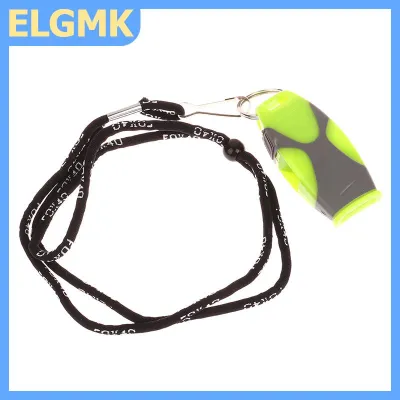
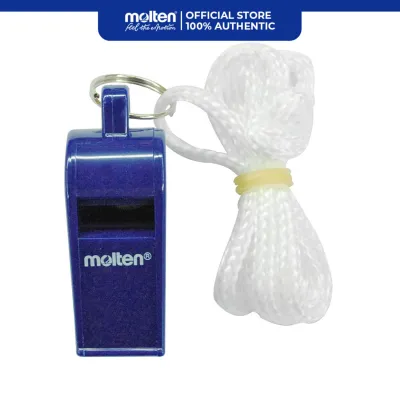
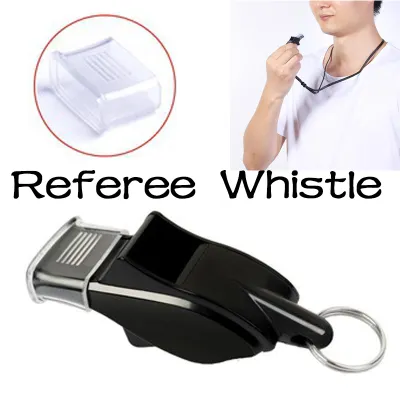

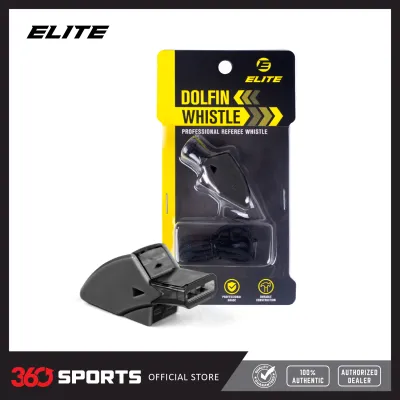
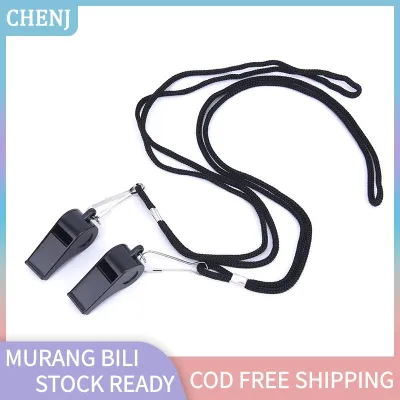
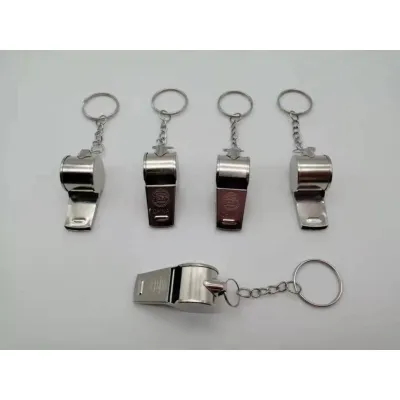
Prices are valid at publication and may change. Please refer to the product page for the latest price.
Key Performance Differences on the Football Pitch
Evaluating how these whistles perform under match conditions reveals distinct advantages for each design on a full-sized football pitch.

Sound Projection and Pitch
A standard football pitch is a vast space, often measuring up to 120 meters in length, where sound must compete with wind, player shouts, and spectator noise. Pealess whistles generally produce a higher-pitched, more piercing tone that cuts through ambient noise over long distances. The sound is clean and directional, making it highly effective for signaling fouls from across the field. Pea whistles, while slightly lower in pitch, produce a textured, warbling sound that is highly recognizable. This trill can be easier for players to locate auditorily, but the sound may lose some of its carrying power on windy days or in exceptionally loud stadium environments.
Breath Control and Fatigue
Officiating a fast-paced 90-minute match requires significant physical exertion, making breath control a vital consideration. Pea whistles typically offer lower backpressure, meaning they require less initial effort to produce a clear, audible sound. This makes them highly efficient for quick, short bursts of signaling throughout a match, reducing referee fatigue. Pealess whistles, however, require a strong, decisive push of air to start the sound. If blown with weak or hesitant breath, a pealess whistle can produce a soft, airy hiss instead of a sharp blast. Referees must practice consistent diaphragm control to ensure the pealess whistle performs reliably when fatigue sets in during the second half.
Weather and Moisture Resistance
In tropical environments characterized by high humidity, heavy seasonal rains, and intense heat, moisture is the primary enemy of referee equipment. Pea whistles are highly susceptible to moisture buildup. When heavy rain or saliva accumulates inside the chamber, the internal pea can stick to the wet walls, preventing it from spinning. This results in a muffled, airy hiss instead of a sharp whistle blast—a potentially disastrous failure during a critical match moment. Pealess whistles are completely immune to this issue. Because they have no moving parts, water and saliva pass straight through the chambers without affecting the sound, making them exceptionally reliable during wet-weather matches.
| Performance Dimension | Pea Whistle | Pealess Whistle |
|---|---|---|
| Sound Profile | Textured, vibrating trill with variable pitch | Sharp, piercing, consistent high-frequency tone |
| Breath Resistance | Lower backpressure; easy to blow softly or loudly | Higher backpressure; requires a sharp, decisive burst |
| Moisture Risk | High; pea can stick due to rain, sweat, or saliva | None; water drains freely through open chambers |
| Best Environment | Dry conditions, smaller pitches, indoor sports | Wet or humid weather, large outdoor pitches, loud venues |
How to Choose Based on Your Match Environment
Selecting the right whistle requires analyzing your typical officiating environment, local weather patterns, and personal preferences.
Choose a pea whistle if:
You primarily officiate matches in dry, predictable weather conditions or indoor futsal courts where moisture is not a major concern. The pea whistle is also excellent if you prefer a highly expressive tool that allows you to vary the tone and volume of your signals through subtle changes in breath pressure. Referees who prefer a lower-effort blow for quick, frequent stoppages will appreciate the low resistance of this traditional design.
Choose a pealess whistle if:
You regularly referee outdoor matches in highly humid regions, coastal areas, or during rainy seasons where sudden downpours are common. The pealess design is also the ideal choice for large, open-air football pitches where you need a piercing sound that can cut through strong winds and loud crowd noise. If you want absolute peace of mind that your whistle will function perfectly every single time, regardless of saliva buildup or weather, the pealess option is the most reliable choice.
Verify first if:
Before making your final purchase, check the specific guidelines of your local football association, league, or tournament organizers. Some competitive leagues mandate specific decibel levels or recommend particular whistle designs to ensure consistency among officiating crews. Additionally, verify if your league requires a specific color or style of whistle to match your official referee uniform.
Care, Hygiene, and Carrying Options
Proper maintenance and the right carrying setup ensure your whistle remains hygienic and ready for action throughout the football season.
Cleaning Routines
Because whistles are held in the mouth and exposed to saliva, dirt, and outdoor dust, regular cleaning is essential to prevent bacterial growth. After every match, rinse your whistle thoroughly under warm running water. For a deeper clean, soak the whistle in a mild solution of warm water and dish soap, using a small cotton swab or soft brush to gently clean the mouthpiece and internal chambers. Avoid using harsh chemical cleaners or boiling water, which can warp plastic components or damage the synthetic pea inside traditional models. Allow the whistle to air dry completely before storing it in your gear bag.
Carrying Methods
How you carry your whistle affects your reaction time and comfort on the pitch. A classic neck lanyard keeps the whistle secure and easily accessible, though it can swing during rapid sprints. To prevent this, many modern referees prefer wrist lanyards or finger grips, which secure the whistle directly to your hand for instant use without any swinging. Alternatively, a pocket clip or a simple elastic wrist band can keep a backup whistle secure in your referee jersey pocket, ensuring you are never left without a signaling tool if your primary whistle is dropped or damaged.
Inspection Checks
Regularly inspect your officiating gear before heading to the pitch. For pea whistles, gently shake the device to ensure the internal ball moves freely and has not become deformed or cracked over time. Check the mouthpiece of both whistle types for any sharp edges, cracks, or wear from teeth grip, as damaged plastic can cause discomfort or air leaks. Finally, examine your lanyard, finger grip, or attachment clips for signs of fraying or structural weakness, replacing them immediately to prevent losing your whistle during a fast-paced match.
Frequently Asked Questions (FAQ)
Do professional football referees prefer pea or pealess whistles?
Professional football referees globally show a strong preference for pealess whistles in modern high-level matches. The extreme noise levels of professional stadiums, combined with the absolute necessity for reliable signaling in all weather conditions, make the piercing, jam-proof nature of pealess designs the industry standard for elite outdoor officiating. However, some experienced officials still carry a traditional pea whistle as a trusted backup or use them in controlled indoor environments where the classic trill is preferred.
Can a pea whistle get stuck during a match?
Yes, a pea whistle can fail or get stuck during a match due to moisture accumulation. When saliva, sweat, or heavy rainwater enters the whistle’s chamber, surface tension can cause the lightweight internal pea to stick to the plastic or metal walls. When this happens, the pea cannot vibrate, resulting in a weak, airy sound that players may not hear. This mechanical vulnerability is the primary reason why outdoor referees officiating in wet or highly humid climates often transition to pealess alternatives.

Community discussion
Share your experience or ask a question. Comments are reviewed before publication.