
In the high-stakes world of competitive collegiate cheerleading, every second on the mat requires absolute precision, synchronization, and control. The energy in major arenas is electric, but the intense heat, tropical humidity, and bright spotlights present unique challenges for athletes. Pom-poms, or poms, are not merely decorative props; they are dynamic visual extensions of a team’s choreography that demand careful handling. A single dropped pom during a high-velocity stunt or tumbling pass can lead to costly safety deductions and disrupt the visual flow of an otherwise flawless routine.
To perform with confidence, cheerleaders must look beyond the poms themselves and evaluate the specialized accessories designed to secure, transport, and maintain this essential equipment. Selecting the right gear is a balance between ensuring routine security and avoiding unnecessary bulk that could hinder performance. However, while the right accessories can significantly reduce the risk of equipment failure, they cannot replace proper training, grip strength, and rigorous routine practice. Safety on the mat always begins with athletic preparation and sound judgment.
Essential Poms Accessories for Routine Security
When executing high-impact stunts, basket tosses, and rapid tumbling sequences, keeping your poms securely in hand is a primary safety concern. Wrist straps and tethers are popular solutions, but they must be selected with careful attention to both choreography and competition rules. Breakaway tethers feature a tension-release mechanism, such as a plastic snap or a hook-and-loop interface, that detaches under sudden, extreme force. This design is crucial for safety, as it prevents wrist strain or joint injuries if a pom becomes caught on a teammate’s uniform or a stunt apparatus during a transition. In contrast, secure, non-breakaway tethers keep the poms permanently anchored to the wrists, which is highly effective for dance-heavy routines but may pose safety risks during complex pyramids. Before purchasing, always verify your specific league’s safety guidelines, as some collegiate athletic associations restrict the use of tethers during overhead stunts.
Products mentioned in this guide
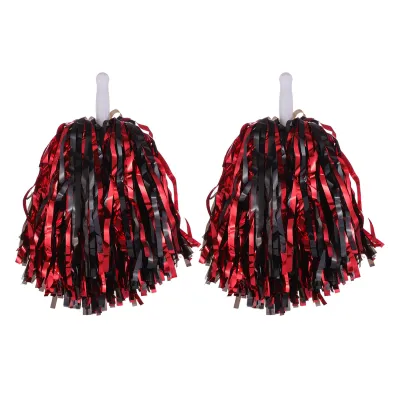
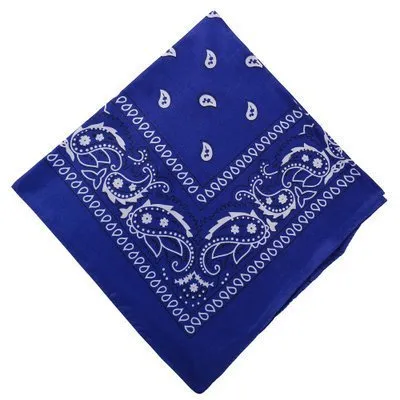
![[COD] WHPHous Ship within 24 hours 2Pcs Apply To Game Pompoms 7 Styles Cheering Flower Ball Performance Dance Wrist Flower Games Bracelet](https://img.lazcdn.com/g/p/f3cec8d75a5b6ee4d53665c6549299f5.jpg_400x400q80.jpg_.webp)

Prices are valid at publication and may change. Please refer to the product page for the latest price.
Grip enhancements are equally vital, particularly in tropical climates where high humidity and intense physical exertion lead to rapid sweat buildup. Standard plastic baton handles can quickly become slick, making it difficult to maintain a firm hold during sharp arm motions. Self-fusing silicone grip tape, textured rubber sleeves, or non-slip athletic wraps can be applied directly to the handles to improve friction. When selecting a grip wrap, verify that the material is sweat-resistant, durable, and does not leave a sticky residue on the hands, which could interfere with catching flyers or executing hand-to-hand stunts. Test these grip enhancements during high-intensity practice sessions to ensure they maintain their texture under wet conditions.
Handle adapters offer another layer of security by standardizing the grip size across a diverse team roster. Poms are manufactured with various handle styles, including block, baton, and contoured designs, which may not fit every athlete’s hand comfortably. An adapter or custom sizing insert can widen or cushion the handle, reducing hand fatigue during long rehearsals. To ensure a secure fit, measure the grip span of each team member and verify that the adapter does not slip, rotate, or slide off the core handle during rapid, high-velocity movements.
Storage and Transport Gear to Protect Your Investment
Collegiate cheer squads frequently travel between campus training facilities, external choreography spaces, and major competition venues. Transporting delicate poms without damaging their shape requires specialized storage solutions. Dedicated pom bags are designed specifically to protect the volume and structure of the strands. Unlike standard sports duffels, which compress gear and create permanent flat spots, dedicated bags often feature rigid or semi-rigid walls that maintain a protective dome shape. They also provide separate, clean compartments, ensuring that poms are kept away from dirty shoes, damp practice wear, and heavy water bottles that could crush them.

Moisture and climate control are critical considerations when storing gear in humid environments. In the Philippines, storing damp poms in airtight, non-breathable plastic bags is a recipe for mold, mildew, and persistent sour odors that are incredibly difficult to eliminate. When evaluating storage gear, look for bags constructed from breathable synthetic fabrics or those featuring integrated mesh ventilation panels. These design elements allow air to circulate, helping sweat and environmental moisture evaporate naturally. As a standard practice, instruct athletes to remove their poms from their bags and air them out in a dry, well-ventilated indoor space immediately after every training session.
Capacity and dimension planning are essential to prevent unnecessary wear during transit. Before purchasing team bags, measure the strand length and the overall diameter of your poms when they are fully fluffed. A bag that is too small will force the strands to bend and crease, ruining the uniform, spherical look required for clean visual lines on the competition floor. Conversely, a bag that is excessively large allows the poms to shift and tangle during travel. Select a bag that offers a snug but uncompressed fit, with dedicated compartments for each pair of poms.
Maintenance Tools for Arena-Ready Appearance
Under the bright, unforgiving spotlights of a competition arena, every bent, tangled, or dull strand is highly visible to the judging panel. Keeping your poms looking vibrant and uniform requires a dedicated maintenance routine supported by the right tools. Strand detanglers and specialized wide-tooth combs are essential for preserving the integrity of the materials. Standard hairbrushes or fine-tooth combs can stretch, tear, or snap delicate metallic, holographic, or plastic filaments, leading to a thin, frayed appearance. Instruct athletes to use a wide-tooth plastic comb, starting gently at the outer tips of the strands and working inward toward the center tie while holding the base of the pom securely to prevent pulling strands out of the handle.
Spot cleaners and wipes are necessary for removing dirt, makeup, and floor grime that accumulate during floor transitions and rehearsals. Before applying any cleaning solution, always verify the manufacturer’s label instructions to prevent irreversible damage. Test a small, inconspicuous section of the pom first to ensure the cleaner does not cause color bleeding or strip the reflective coating from metallic and holographic designs. Avoid harsh chemical solvents, alcohol-based sprays, or abrasive scrubbers; instead, opt for mild, diluted water-based cleaners or specialized wipes designed for delicate synthetic films.
Static reduction is another key factor in maintaining a professional, high-volume appearance. Static electricity causes plastic and metallic strands to cling together, making the poms look sparse and flat during fast-paced dance sequences. Anti-static sprays or specialized static-neutralizing wipes can help keep the strands separated and fully fluffed. When applying these solutions, ensure they are used in a well-ventilated area and allowed to dry completely before the performance. Crucially, verify that the spray does not leave a slippery residue on the handles or the arena floor, which could pose a serious safety hazard for both the user and surrounding athletes.
Optional Comfort and Uniform Integration
While safety and storage accessories are essential for performance security, optional comfort items can further enhance an athlete’s experience when integrated thoughtfully. Sweatbands and wrist covers are excellent multi-functional accessories. They absorb sweat before it can run down the arms and compromise the athlete’s grip on the pom handle. Additionally, they serve an aesthetic purpose by color-matching the team’s uniform, effectively concealing the pom handles and creating a seamless, polished visual line from the arm to the pom strands. When selecting wrist covers, verify that they fit snugly without restricting circulation or hand flexibility.
Snag prevention is a critical consideration during close-proximity formations, partner stunts, and pyramids. Uniform embellishments such as sequins, rhinestones, metallic zippers, and even loose hair ties can easily catch on delicate pom strands. A single snag can disrupt the flow of a transition, pull strands out of the pom, or cause painful pulls on an athlete’s hair or skin. During dress rehearsals, conduct a thorough inspection of all uniform accessories and hair ties to ensure there are no exposed hooks, sharp edges, or loose elements that could snag the poms during high-speed movements.
A careful trade-off analysis should guide the decision to adopt any optional gear. Every additional accessory adds physical weight and bulk to the athlete’s wrists and hands. Over the course of a high-intensity, two-and-a-half-minute routine, even a few extra grams can accelerate muscle fatigue, potentially affecting the sharpness of motions and the stability of stunts. If an accessory adds unnecessary bulk, weight, or visual distraction without providing a clear functional benefit, it is best omitted from the competition-day gear list.
Building Your Team's Accessory Budget and Checklist
Managing a university cheerleading squad requires strategic financial planning, especially when outfitting a large roster of athletes. To maximize your budget, start by categorizing your team’s needs. Allocate funds first to mandatory safety and maintenance items—such as secure grip wraps, protective storage bags, and detangling tools—which directly impact routine execution and equipment longevity. Optional comfort and aesthetic gear, such as matching wrist covers or custom-branded gear bags, should be prioritized only after these essential needs are fully met. Budgeting approximately ₱500 to ₱1,500 per athlete for high-quality, durable accessories can prevent costly premature replacements during the competitive season.
When purchasing accessories for a full squad, conduct a thorough bulk evaluation. Reach out to specialty sports distributors or online marketplaces to inquire about bulk discounts, shipping timelines, and manufacturer warranties on high-wear components like zippers, straps, and seams. Ensure that the supplier can provide consistent colors and styles to maintain visual uniformity across the entire team. Additionally, establish a clear inventory and replacement protocol to quickly address lost or damaged gear during travel and intense training blocks.
Finally, implement a standardized pre-competition verification process. Before the team enters the warm-up area or steps onto the competition floor, coaches and team captains should conduct a physical inspection of every athlete’s gear. Use a checklist to verify that all grip wraps are tightly secured and free of unraveling edges, tethers are compliant with league safety rules, handles are firmly attached, and poms are fully fluffed and free of static cling. This systematic check ensures that the team can perform with complete confidence, knowing their equipment is secure, compliant, and ready for the spotlight.
Frequently Asked Questions (FAQ)
Are wrist straps allowed in all university cheerleading competitions?
Not all athletic associations or cheerleading leagues permit the use of wrist straps or tethers. Some competition rulebooks classify tethers as safety hazards during high-flying stunts, pyramids, or basket tosses, as they can entangle fingers or limbs. Always consult the official, current-season rulebook of your specific university athletic association or national cheer federation. If tethers are permitted, verify whether they must feature a quick-release breakaway mechanism to comply with safety standards.
How do I prevent metallic poms from tarnishing during the season?
Metallic poms are highly susceptible to tarnishing when exposed to moisture, sweat, and high humidity. To preserve their reflective finish, never store damp poms in sealed plastic bags. After every practice and competition, shake out the poms to remove excess moisture and hang them in a well-ventilated, dry indoor area away from direct sunlight. If they come into contact with sweat, gently wipe the strands with a dry microfiber cloth before storing them in a breathable gear bag.
Can I use regular sports duffel bags for transporting poms?
While a standard sports duffel bag can physically hold poms, it lacks the structural support needed to prevent the strands from being crushed, bent, or tangled by other gear. If you must use a regular duffel, make internal modifications to protect your equipment. Use rigid plastic dividers or cardboard inserts to create dedicated, pressure-free compartments for the poms, and ensure they are never packed underneath heavy items like shoes, water bottles, or ankle braces.

Community discussion
Share your experience or ask a question. Comments are reviewed before publication.