
When shopping for a pop-up tent, seeing the word “waterproof” on the packaging brings peace of mind, especially if you plan to camp in regions prone to sudden tropical downpours. However, waterproofing is not a simple yes-or-no feature. In the outdoor gear industry, a tent’s ability to resist water is measured on a spectrum, primarily determined by fabric treatments, construction quality, and a technical metric known as the Hydrostatic Head (HH) rating. Understanding these specifications is key to choosing a tent that keeps you dry during an unexpected afternoon shower without adding unnecessary weight to your gear setup.
What "Waterproof" Actually Means for Pop-Up Tents
To evaluate a pop-up tent’s weather protection, distinguish between water-resistant, waterproof, and highly waterproof fabrics. Water-resistant fabrics are typically treated with a light water-repellent finish that causes water to bead up and roll off, which is suitable for light mist but will eventually saturate under steady rain. True waterproof tents utilize specialized fabric coatings, usually made of polyurethane (PU) or silicone, to block water from penetrating the material even under sustained pressure. Polyurethane is common for budget-friendly pop-up tents, while silicone offers enhanced durability and UV resistance at a higher price point.
Even the most advanced fabric coating cannot keep you dry if the tent’s seams are left unprotected. Every needle hole created during the manufacturing process is a potential entry point for water. High-quality pop-up tents feature factory-taped or sealed seams, where a waterproof tape is thermally applied over the stitching to prevent moisture from seeping through the gaps.
Products mentioned in this guide
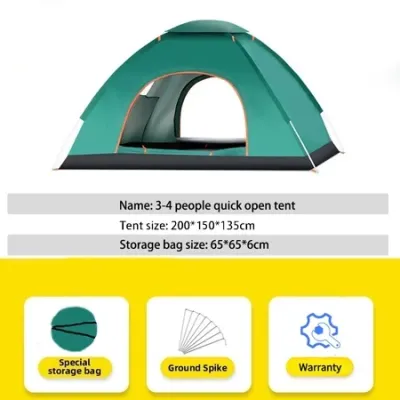
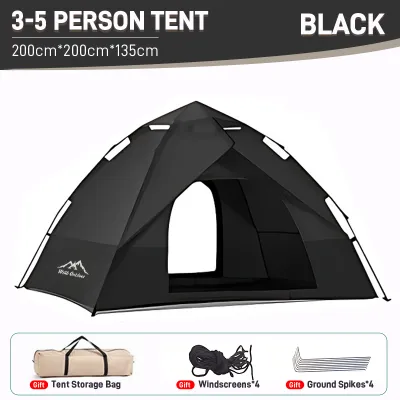
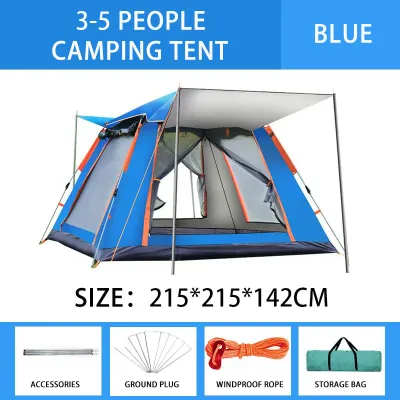

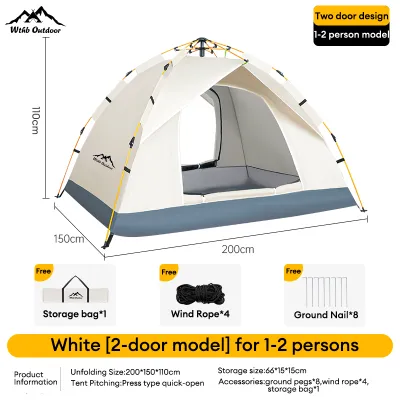
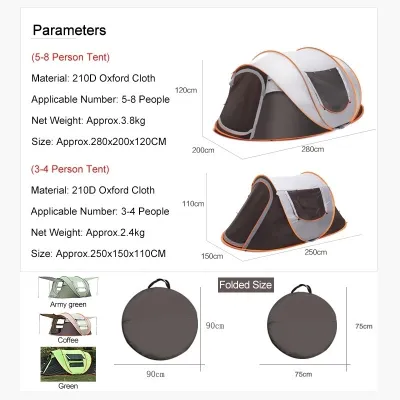
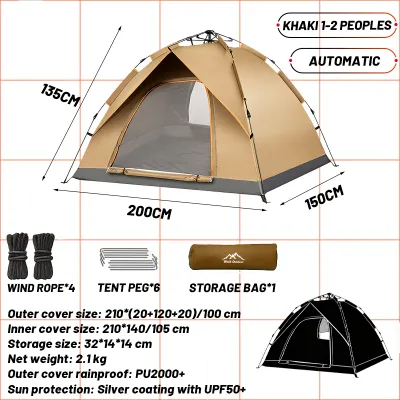
Prices are valid at publication and may change. Please refer to the product page for the latest price.
Waterproof is a relative term rather than an absolute guarantee. A pop-up tent designed for casual backyard camping or dry-season beach trips will have different limits than a technical mountaineering tent. Evaluating your specific environment will help you set realistic expectations for your shelter.
Understanding Hydrostatic Head (HH) Ratings
The standard method for measuring a tent’s waterproof capability is the Hydrostatic Head (HH) rating, which is expressed in millimeters (mm). This rating represents the height of a theoretical column of water that a fabric can support before water droplets begin to penetrate the material. For example, a fabric rated at 1,500mm can withstand a 1,500-millimeter-tall column of water pressing down on it before leaking.

When reviewing a manufacturer’s specification sheet, identify whether a rating applies to the rainfly (the outer protective layer), the inner tent body, or the tent floor. A tent might feature a highly waterproof floor but a moderately water-resistant rainfly, so reading the fine print is essential for an accurate assessment.
While a higher millimeter rating indicates greater resistance to water pressure, a higher number does not automatically make a tent superior for every camping scenario. Extremely high ratings often require thicker coatings, making the fabric heavier and less breathable. For a pop-up tent, finding a balance between adequate water protection and manageable weight is often the most practical approach.
The tent floor, or footprint, typically requires a significantly higher HH rating than the canopy or rainfly. When you sit, kneel, or place heavy gear on the tent floor, your body weight concentrates pressure on a small area. If the ground is saturated or muddy, this localized pressure can easily force water through a low-rated fabric, making a robust floor rating critical for wet-ground camping.
Matching Waterproof Ratings to Your Camping Conditions
To choose the right pop-up tent, match the manufacturer’s stated flysheet rating against the expected weather conditions of your destination. If you plan to camp in areas known for intense tropical downpours, look for a higher rating that can withstand the force of heavy, wind-driven rain. For dry-season camping or light, passing showers, a lower rating may be perfectly adequate and more budget-friendly.
Ground conditions play an equally important role. In humid, tropical environments, wet grass, high soil moisture, and poor campsite drainage can quickly turn a campsite into a muddy patch. A tent floor with an insufficient rating will allow moisture to seep upward, dampening your sleeping gear. Verifying that the floor rating is robust enough for saturated ground is a key step in your pre-trip planning.
Always check the product label, user manual, or manufacturer guidelines for specific seasonal recommendations. Manufacturers often categorize tents by season (such as 2-season, 3-season, or 4-season) to help consumers understand the intended environment. A 2-season pop-up tent is generally designed for warm, dry weather with minimal rain, while a 3-season model is built to handle more frequent rainfall and moderate winds.
Remember that fabric ratings are only one part of the equation. Local weather forecasts, proper campsite selection, and pitching techniques are critical variables. Setting up your tent on elevated, well-drained ground and avoiding natural depressions where water collects will significantly reduce the demand on your tent’s waterproof barriers.
Beyond the Rating: Other Factors That Keep You Dry
While the hydrostatic head rating is a valuable guide, several structural and maintenance factors influence real-world waterproof performance. Fully taped or sealed seams are essential; even a fabric with a high mm rating will leak if the stitching is exposed. Before heading out, inspect the interior seams of your pop-up tent to ensure the factory tape is intact and free of lifting edges.
The overall design of the tent also dictates how well it handles wet weather. A full-coverage rainfly that extends close to the ground offers much better protection than a partial fly that only covers the roof. Additionally, features like protective storm flaps over zippers, wide vestibules, and adequate ventilation ports help manage moisture. Good ventilation is especially critical in humid climates to prevent interior condensation from mimicking a leak.
Regular maintenance checks are necessary to preserve your tent’s waterproof qualities over time. Over years of use and exposure to UV rays, fabric coatings can degrade, leading to a sticky texture or peeling. Inspecting your tent periodically allows you to identify worn areas and apply aftermarket seam sealers or water-repellent sprays to restore performance before your next trip.
Finally, achieving proper pitching tension is vital for shedding water effectively. Pop-up tents spring into shape instantly, but they still require proper staking and guyline tensioning. A sagging fabric surface allows water to pool, which increases pressure on that specific spot and can eventually lead to seepage, regardless of the fabric’s original rating.
Frequently Asked Questions (FAQ)
How do I know if the hydrostatic head rating is high enough for my trip?
To determine if a rating is sufficient, check the manufacturer’s intended use case and seasonal rating on the product label. Compare the flysheet and floor specifications against the expected rainfall intensity, wind exposure, and ground wetness of your campsite. For general summer camping with light rain, a standard entry-level rating is often enough, whereas wet, windy conditions demand higher specifications.
Why is there moisture inside my pop-up tent after rain?
Moisture inside a tent is often caused by condensation rather than a physical leak. In humid environments, the temperature difference between the warm air inside the tent (from your breath and body heat) and the cool rain outside causes moisture to condense on the inner walls. You can verify this by checking if the dampness is uniform across the fabric or concentrated at a specific seam. Additionally, avoid touching the tent walls during heavy rain, as physical contact can draw water through the fabric.

Community discussion
Share your experience or ask a question. Comments are reviewed before publication.