
Regular boxing gloves can handle heavy bag work for most beginners and intermediate fitness enthusiasts, but specialized punching bag gloves offer distinct structural advantages for high-volume bag training. The right choice depends on your training frequency, budget, and whether you need a single versatile pair or dedicated equipment. If you are training in a high-humidity environment like a local gym in the Philippines, factors like sweat management, material durability, and drying times also play a significant role in your decision. Understanding how these two glove types differ in construction, protection, and purpose will help you safeguard your hands and optimize your workouts.
Core Differences in Design and Protection
To understand which glove suits your routine, you must first look at how they are built. The primary difference lies in the padding density and distribution. Punching bag gloves are engineered with firmer, high-density foam or gel layers specifically designed to absorb the shock of hitting an unyielding surface like a heavy canvas or leather bag. This dense padding does not compress easily, ensuring that your knuckles do not bottom out against the hard core of the bag. In contrast, regular boxing gloves—often used for sparring or general training—feature softer, more dispersed padding. This softer construction is designed to cushion the impact for both your hands and your training partner, dispersing the force over a wider area rather than absorbing it entirely within a dense barrier.
Wrist support mechanisms also differ significantly between the two styles. Specialized bag gloves frequently incorporate rigid, reinforced wrist cuffs or dual-strap systems. Because heavy bag workouts involve repetitive, predictable impacts from a single direction, these gloves prioritize keeping your wrist in a locked, neutral alignment to prevent bending or hyperextension. Regular boxing gloves, while still offering wrist support, often allow for slightly more flexibility in the wrist joint. This flexibility is necessary for defensive maneuvers, clinching, and catching punches during active sparring, but it requires the user to maintain strict punching form to avoid wrist strain when hitting a heavy bag.
Products mentioned in this guide
![IN STOCK]EVERLAST Boxing Punching Gloves 1 Pair for adults Professional Training Muay Thai MMA](https://img.lazcdn.com/g/p/2b634e5edcea53a18fb0ec5fc44976d6.jpg_400x400q80.jpg_.webp)
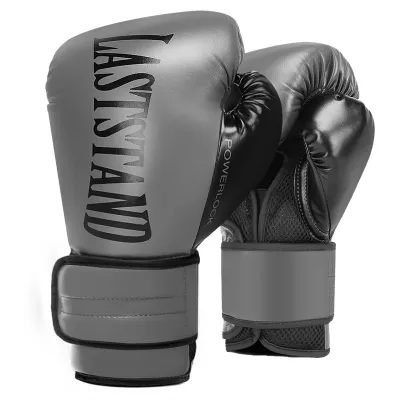
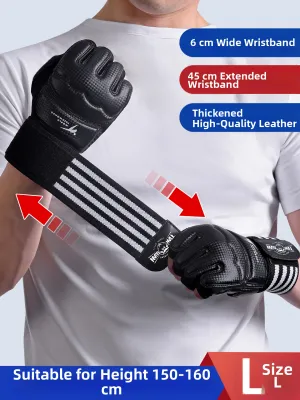
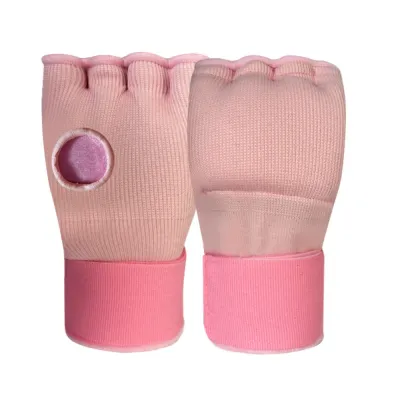
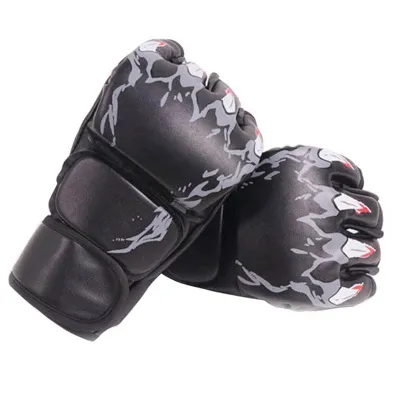
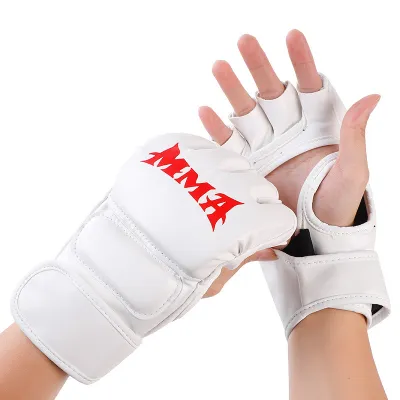
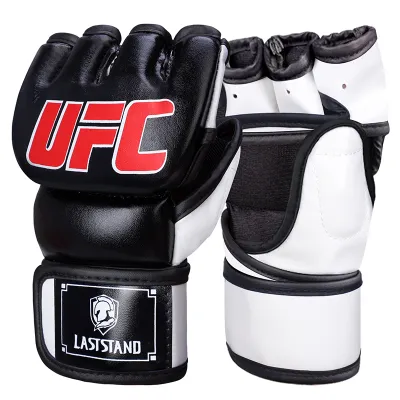
Prices are valid at publication and may change. Please refer to the product page for the latest price.
The hand compartment shape and internal grip design represent another major point of divergence. Bag gloves typically feature a highly ergonomic, pre-curved design with a prominent grip bar. This structure helps your hand naturally form a tight, compact fist with minimal effort, reducing muscle fatigue during long conditioning sessions. Regular boxing gloves often have a roomier hand compartment to accommodate thick hand wraps and allow for a more relaxed hand position between exchanges. While comfortable, a wider compartment can sometimes allow your hand to shift slightly upon impact, which increases the risk of friction blisters and minor alignment errors during high-velocity bag work.
When to Choose Specialized Punching Bag Gloves
Investing in dedicated punching bag gloves is highly beneficial if your weekly routine consists primarily of heavy bag workouts, power development, and solo conditioning drills. If you find yourself hitting the bag three or more times a week, the repetitive high-impact forces can accumulate stress on the small bones of your hands. Specialized bag gloves are built to withstand this specific type of abuse, offering the dense protection needed to keep your knuckles and joints safe over hundreds of weekly repetitions.

Fatigue and strain management are critical considerations for consistent training. When you punch a heavy bag, the resistance is immediate and unforgiving. The firmer padding of a bag glove absorbs the peak force of the impact, preventing the shock from traveling directly up your forearm and into your wrist and elbow joints. This specialized shock absorption helps manage joint fatigue, allowing you to maintain proper punching form even toward the end of a grueling, high-intensity workout.
However, choosing specialized bag gloves comes with clear trade-offs, primarily a complete lack of versatility. Because the padding in bag gloves is exceptionally dense and hard, these gloves are unsafe for sparring or partner drills. Using them against a training partner can cause serious cuts, bruises, or concussions, as the foam does not compress enough to cushion the blow. Additionally, their rigid structure makes them less suitable for rapid focus mitt work, where quick hand transitions and catching punches require a more flexible glove.
When Regular Boxing Gloves Are Enough
For beginners, casual fitness enthusiasts, and those engaging in mixed training classes, regular boxing gloves are often the most practical choice. If your typical workout involves a mix of warm-ups, shadowboxing, focus mitt drills with a partner, and only a few rounds on the heavy bag, a standard pair of training gloves provides more than enough protection. They allow you to transition seamlessly from one drill to the next without the hassle of changing gear mid-workout.
Budget and space constraints also make regular boxing gloves highly appealing. High-quality boxing gear is an investment, and maintaining multiple pairs of specialized gloves can be costly and impractical, especially if you have limited space in your gym bag. A single pair of well-constructed regular training gloves (typically in the 12 oz to 14 oz range for smaller frames, or 16 oz for larger individuals) serves as an excellent all-in-one solution that covers almost every aspect of a standard boxing class.
However, you must be aware of the limitations of using regular gloves for heavy bag work. Over time, the constant, high-force impact against a heavy bag will compress the softer foam inside regular gloves. Once this padding is compressed and degraded, the gloves lose their ability to protect your hands and become unsafe for sparring, as the hardened foam can injure your partners. If you choose to use one pair for everything, you must monitor the padding closely and be prepared to replace them more frequently than you would if you rotated between dedicated bag and sparring gloves.
How to Verify the Right Fit and Specs for Your Training
When shopping for gloves, you should not rely solely on marketing labels; instead, perform physical checks to verify the fit and specifications. Start by checking the weight and padding firmness. Look at the ounce (oz) rating printed on the cuff. For heavy bag training, a heavier glove (such as 14 oz or 16 oz) provides thicker padding and adds a conditioning element to your workout. To test the density, firmly press your thumb into the knuckle area of the glove. If the foam compresses easily under light pressure and you can feel the shape of your knuckles through the material, the padding is likely too soft for dedicated heavy bag work and will degrade quickly.
Next, evaluate the wrist closure system. While lace-up gloves offer the most secure, customized fit, they are highly impractical for solo training because you cannot tie them yourself. For most users, a wide Velcro strap is the preferred option. Test the strap by wrapping it around your wrist; it should pull tight enough to restrict lateral movement of the wrist joint while still allowing comfortable blood flow. In hot, humid tropical climates like the Philippines, sweat can quickly saturate the wrist straps, so look for high-quality, heavy-duty hook-and-loop closures that will not slip or lose grip when wet.
Finally, inspect the inner lining and the thumb attachment. A fully attached thumb is a non-negotiable safety feature that prevents your thumb from bending backward or getting caught on the bag during an angled punch. Slip your hand inside the glove with your hand wraps on to check the interior fit. Your fingers should reach the end of the compartment comfortably without being cramped, and the inner lining should feel smooth. Given the high humidity of local training spaces, prioritize gloves with moisture-wicking inner linings and ventilation holes in the palm to help manage sweat build-up and accelerate drying times between sessions.
Decision Framework: Which Glove Type Fits Your Routine?
To finalize your decision, evaluate your training habits against this straightforward framework:
Choose specialized punching bag gloves if:
- Your workouts are almost exclusively focused on heavy bag training and solo power development.
- You train on the bag multiple times a week and require maximum joint protection against hard surfaces.
- You already own a separate, softer pair of gloves dedicated solely to sparring and partner drills.
Choose regular boxing gloves if:
- You need a versatile, cost-effective, all-in-one glove for general fitness classes, pad work, and light bag training.
- You are a beginner learning fundamental techniques and do not yet require specialized, high-volume gear.
- You prefer to carry only one pair of gloves in your gym bag and do not mind replacing them once the padding begins to compress.
Before making any purchase, verify your physical condition. If you have pre-existing wrist pain, knuckle injuries, or carpal tunnel symptoms, consult a sports medicine professional or a qualified coach. They can provide personalized advice on the exact glove weight, padding type, and hand-wrapping techniques required to protect your hands and prevent further injury during your training.
Frequently Asked Questions (FAQ)
Can I use regular boxing gloves for sparring if I also use them on the heavy bag?
It is highly discouraged to use the same pair of regular boxing gloves for both heavy bag work and sparring. The dense, repetitive impact of hitting a heavy bag quickly compresses and degrades the soft foam padding designed to protect your sparring partners. Once this padding is packed down, the glove becomes hard and acts more like a solid block, significantly increasing the risk of cuts, bruises, and head trauma to your training partners. To maintain a safe gym environment, keep your sparring gloves separate and use them exclusively for controlled partner work.
Do I need to wear hand wraps with punching bag gloves?
Yes, wearing hand wraps is absolutely essential, regardless of the type of glove you choose. While punching bag gloves provide external padding and wrist support, they cannot prevent the tiny bones in your hands (the metacarpals) from shifting upon impact. Hand wraps bind these bones together, securing your wrist, thumb, and knuckles into a single, rigid unit. This internal support is your primary defense against sprains, fractures, and soft tissue damage. Always wrap your hands properly before slipping on your gloves, especially during high-intensity heavy bag sessions.

Community discussion
Share your experience or ask a question. Comments are reviewed before publication.