
Choosing between quad and inline roller skates comes down to where you want to skate, how fast you want to go, and the specific movements you want to master. While quad skates offer a classic look and excellent lateral stability for dancing and tight turns, inline skates excel in forward momentum, speed, and navigating uneven outdoor surfaces. Your decision should align with your personal fitness goals, local environment, and comfort level.
Assess Your Skating Environment and Goals
Before looking at specific models, evaluate the physical spaces where you plan to spend your time rolling. In tropical climates, outdoor skating often means dealing with high humidity, sudden rain showers, and varied pavement quality. Smooth indoor rinks, covered basketball courts, and paved park pathways present very different challenges for a skater.
If you plan to skate primarily on rough asphalt or concrete streets with debris, the wheel size and configuration will dictate your comfort. For those aiming for artistic dance, rhythm skating, or roller derby, a flat, smooth indoor floor or a polished concrete court is ideal. Conversely, if your goal is long-distance fitness, commuting, or cruising down long seaside esplanades, you will need a setup optimized for continuous forward motion and shock absorption.
Products mentioned in this guide
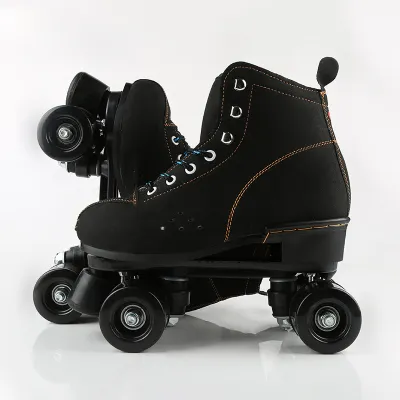
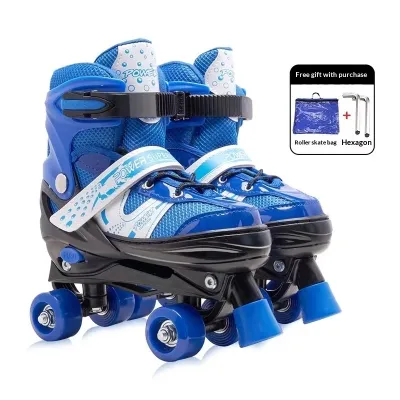
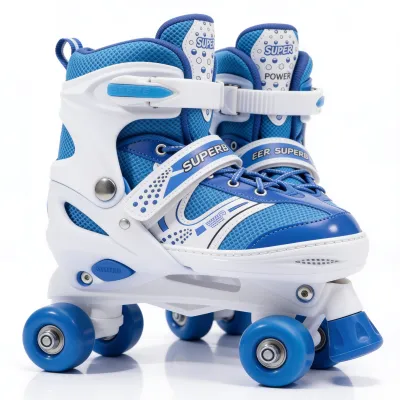
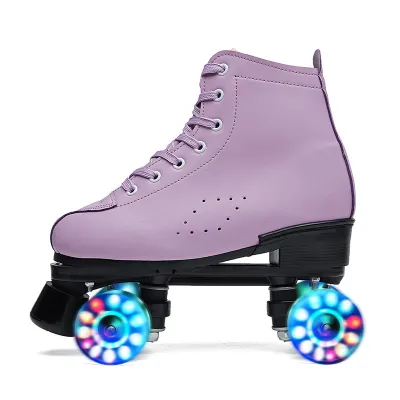
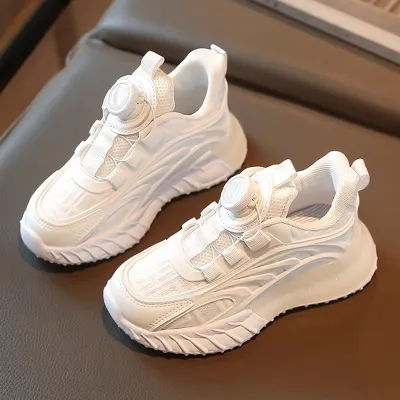
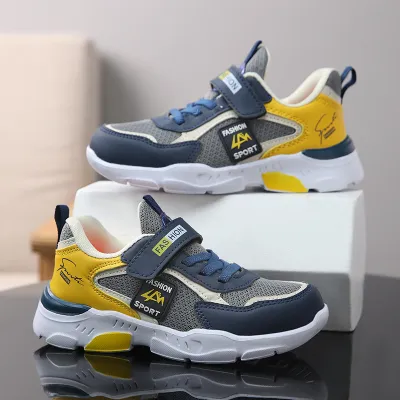
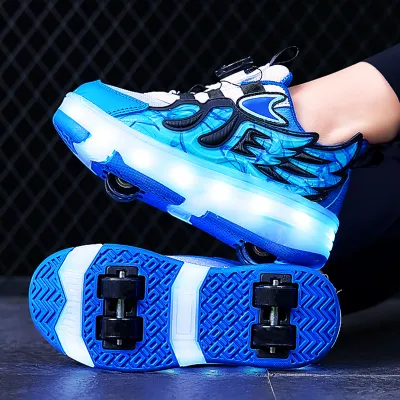
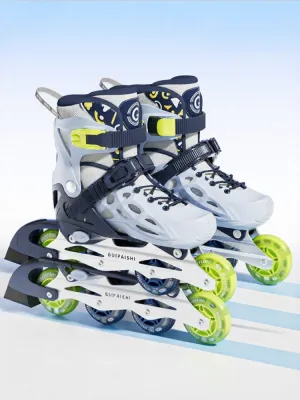
Prices are valid at publication and may change. Please refer to the product page for the latest price.
When Quad Roller Skates Are the Right Choice
Quad skates, characterized by their two-by-two wheel configuration, are highly favored for artistic expression, rhythm skating, and roller derby. The wider lateral base provides excellent side-to-side stability, making them suitable for dance moves, spins, and quick footwork in tight spaces. If you plan to spend your time at indoor roller rinks, covered courts, or smooth concrete skate parks, quads offer the agility needed for technical maneuvers.

When shopping, it is crucial to check the manufacturer’s label for boot structure and wheel specifications. Soft, high-top boots offer comfort for casual dancing, while stiff boots provide the precise control required for artistic skating. Additionally, verify the wheel hardness (durometer) on the product specifications; softer wheels are necessary if you transition to outdoor surfaces, while harder wheels are designed to glide effortlessly on smooth indoor wood or polished concrete.
When Inline Roller Skates Are the Right Choice
Inline skates, featuring wheels arranged in a single straight line, are built for speed, efficiency, and long-distance travel. This configuration reduces friction and allows you to maintain forward momentum with less effort, making them a practical option for fitness training, urban commuting, and exploring long paved trails. If your primary goal is a high-intensity cardiovascular workout or navigating outdoor terrain, inline skates are highly effective.
However, do not assume all inline skates handle rough roads equally. You must verify the frame material and wheel specifications on the manufacturer’s label. Rigid frames offer better power transfer and durability, while larger wheels roll over cracks and small pebbles more easily. Ensure the model you choose features adequate ankle support—often provided by a hard plastic cuff— and a reliable built-in heel brake to help you manage your speed safely on downhill slopes or busy pathways.
Comparing Balance, Comfort, and the Learning Curve
The learning curve for each skate type is shaped by distinct balance mechanics. Quad skates offer immediate stability when standing still because of their wide, rectangular wheel base, which prevents side-to-side tipping. However, they have a shorter wheelbase from front to back, making skaters more prone to falling forward or backward if they lose their balance. Inline skates, on the other hand, require active ankle stabilization to stay upright initially, but their longer front-to-back frame provides superior stability when moving forward at speed.
Foot fatigue and comfort also vary based on boot construction. Hard-shell inline boots offer robust ankle support, which is beneficial for beginners building ankle strength, whereas soft-boot inline skates prioritize ventilation and comfort for long-distance fitness. Quad skates often feature leather or vinyl boots that require a break-in period before they conform comfortably to your feet.
When learning to stop, quad skaters rely on front toe stops, which require dragging the toe behind the body or turning around to apply pressure. Inline skaters typically use a rear heel brake or learn the T-stop, dragging one foot perpendicular to the direction of travel. Regardless of the configuration, beginners should practice falling safely—bending the knees, lowering the center of gravity, and falling forward onto protective gear rather than backward onto the tailbone. Equipment cannot replace proper training, physical conditioning, and sound judgment.
Your Final Decision Checklist and Buying Tips
To finalize your choice, map your primary skating environment and goals to the correct skate configuration.
| Skating Goal / Environment | Recommended Skate Type | Key Verification Items |
|---|---|---|
| Dance, rhythm, indoor rinks, roller derby | Quad Skates | Check for agile plate materials and appropriate indoor wheel durometer. |
| Long-distance fitness, outdoor trails, commuting | Inline Skates | Verify frame rigidity, wheel diameter, and heel brake inclusion. |
| Skate park tricks, ramps, bowls | Aggressive Quad or Inline | Look for reinforced boots, grind blocks, or specialized small wheels. |
Before purchasing, always consult the manufacturer’s specific sizing chart rather than relying solely on your standard shoe size. Feet can swell in warm, humid climates, so measure your feet while wearing the exact socks you plan to skate in. Finally, establish a realistic budget in ₱ that prioritizes safety. A complete setup must include certified protective gear: a helmet, wrist guards, knee pads, and elbow pads. Never compromise on safety gear to buy more expensive skates; protective equipment is an essential investment that allows you to build confidence and skills safely.
Frequently Asked Questions (FAQ)
Can I use quad skates for outdoor trail skating?
Yes, you can use quad skates on outdoor trails, provided you verify the wheel specifications on the product label before heading out. Standard indoor quad wheels are too hard and will cause severe vibrations or sudden stops on rough asphalt. For outdoor trails, look for soft wheels with a durometer rating between 78A and 82A, which absorb shocks and roll over small pebbles more safely. If your local trails are exceptionally rough, cracked, or covered in debris, switching to inline skates with larger wheels will offer a smoother, safer, and more efficient ride.
Which type of roller skates is easier for beginners to learn on?
Neither skate type is universally easier, as the learning curve depends on your personal balance and goals. Beginners often find quad skates easier to stand still in because of the wide lateral base, but they may struggle with the front-to-back balance once they start moving. Inline skates may feel unstable sideways at first, but they quickly feel more natural for those with ice skating or skiing experience, and they glide over outdoor imperfections more forgivingly. Choose the skate that aligns with where and how you want to roll, and focus on consistent practice and safety checks.

Community discussion
Share your experience or ask a question. Comments are reviewed before publication.