
Choosing between quad and inline roller skates depends on your intended skating style, balance comfort, and the surfaces you plan to ride. Quad skates, featuring a classic two-by-two wheel configuration, offer excellent lateral stability that makes them a favorite for dance, rhythm skating, and indoor rink activities. Inline skates, with their wheels arranged in a single straight line, excel in speed, maneuverability, and outdoor commuting, making them the ideal choice for navigating uneven pavements, public parks, and long distances.
Understanding how these design differences align with your personal goals is the key to making a satisfying purchase. Whether you want to cruise around your local barangay plaza, join a community fitness group, or practice dance steps on a smooth covered court, selecting the right setup ensures a safer and more enjoyable learning experience.
Assess Your Skating Style and Goals
Before browsing online marketplaces or visiting a local sporting goods store, you must define what you want to achieve on wheels. Roller skating is not a single activity; it spans several distinct disciplines, each requiring specific equipment characteristics. Matching your personal goals to the inherent strengths of each skate type will save you time and prevent unnecessary frustration.
Products mentioned in this guide
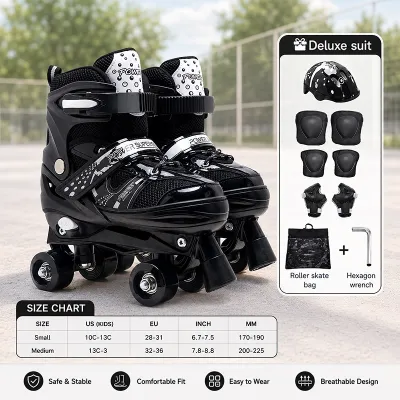
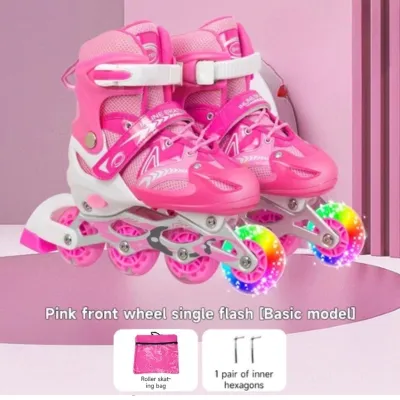
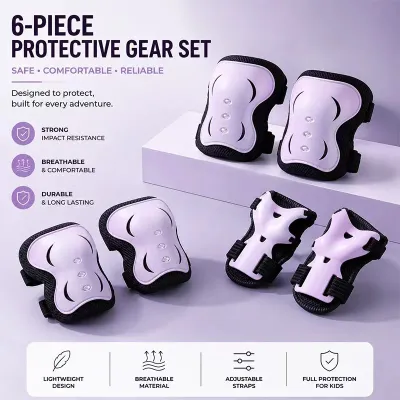
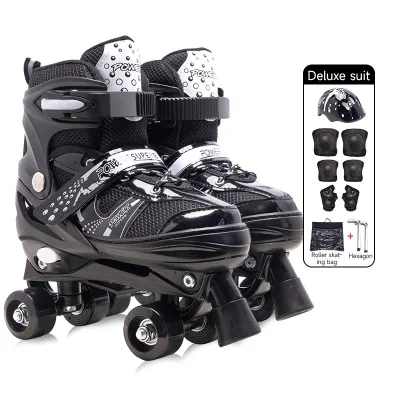
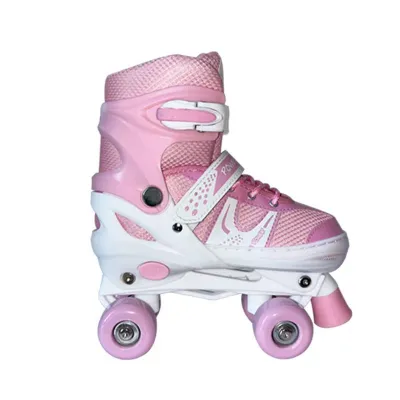
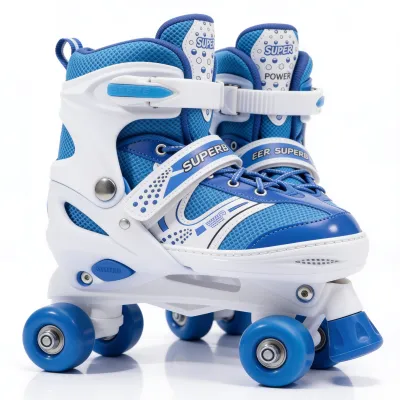
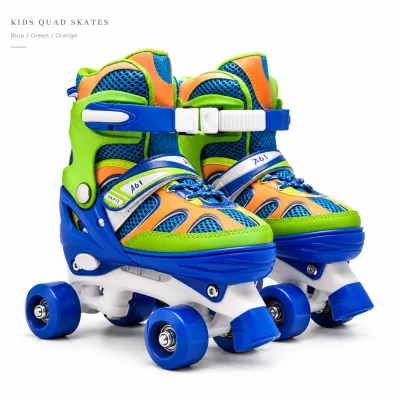
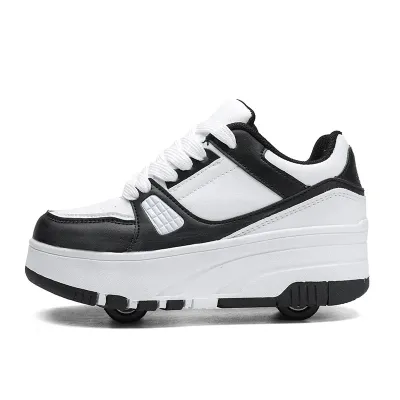
Prices are valid at publication and may change. Please refer to the product page for the latest price.
Quad skates are the traditional choice for artistic skating, rhythm dancing, and roller derby. Their wide, rectangular wheel base provides a stable platform for intricate footwork, spins, and dance routines. If your goal is to perform synchronized moves, skate to music at an indoor rink, or participate in the fast-paced, contact-heavy sport of roller derby, quads are the standard configuration designed for these movements.
Inline skates, often referred to as rollerblades, are built for forward momentum, speed, and outdoor versatility. They are the preferred choice for fitness skating, urban commuting, and aggressive street skating. If you plan to use your skates as a fun way to get a cardiovascular workout, travel along public pathways, or perform grinds and jumps at a local skatepark, inline skates offer the tracking efficiency and obstacle clearance you need.
Take a moment to consider your primary environment and motivation. If you see yourself enjoying casual weekend social skates on smooth, flat surfaces, either style can work well. However, if you have a specific discipline in mind—such as high-speed distance skating or expressive dance skating—your choice is largely decided by the demands of that sport.
Evaluate Your Balance and Skill Level
Your physical comfort with balance and your previous athletic experience play a major role in how quickly you will adapt to either skate type. While both configurations require core strength and coordination, they distribute your weight and challenge your balance in fundamentally different ways.

Quad skates offer exceptional side-to-side stability. When you stand still on a pair of quads, the four-corner wheel placement makes it feel much like standing on your own feet. This lateral support is highly reassuring for absolute beginners who fear their ankles rolling inward or outward. However, quads have a relatively short wheelbase from front to back. This means you must actively maintain your center of gravity over the middle of the skate; leaning too far forward or backward can cause the skates to slip out from under you.
Inline skates present the opposite balance profile. The long frame extends past your toes and heels, providing superb front-to-back stability that makes it very difficult to fall backward. The challenge with inline skates lies in lateral balance. Because the wheels are aligned in a single row, your ankles must work harder to keep the skates perfectly vertical. Beginners may experience “pronation,” where the ankles collapse inward, which can cause discomfort and uneven wheel wear.
Your background can help predict your learning curve. If you have experience with ice skating, ice hockey, or snow skiing, the transition to inline skates is often incredibly natural because the edge control and linear stride are nearly identical. If you are starting completely from scratch, quads may feel more stable when standing still, but you will need to focus heavily on posture and core engagement to manage the short front-to-back balance point.
Ankle support is another critical factor to verify before buying. High-top boots, which are common on recreational quad skates and many entry-level inline skates, feature stiff collars that wrap tightly around the ankle. This structural support is highly recommended for beginners as it reduces muscle fatigue and protects the joints. Low-cut boots, favored by speed skaters and jam skaters, offer maximum freedom of movement but require highly developed ankle strength and are generally unsuitable for novices.
Compare Quad and Inline Skate Mechanics
The mechanical differences between quad and inline skates affect how you stop, turn, and maintain your equipment. Understanding these functional variations will help you set realistic expectations for your first few sessions on the pavement.
Braking systems differ significantly between the two styles. Quad skates are equipped with a toe stop at the front of the boot. To slow down or stop, you must drag the toe stop behind you while keeping your weight on the opposite leg, or turn around and use the toe stop to pivot. Inline skates typically feature a rubber heel brake attached to the rear of one skate. To use it, you slide the braking foot forward and lift your toes, pressing the rubber pad into the ground. As you progress, you can learn advanced stopping techniques like the T-stop or plow stop, which do not rely on built-in brake pads.
The wheelbase and frame construction also dictate how the skates handle turns. Quad skates utilize a system of metal or plastic trucks with flexible rubber cushions. When you lean your feet to the side, the trucks pivot, allowing you to carve tight, smooth turns. Inline skates rely on a rigid frame that holds the wheels in a straight line. Turning on inlines requires tilting the skates onto their edges and steering through a wider arc, though advanced skaters can “rocker” their wheels (raising the front and rear wheels slightly) to achieve highly responsive, tight turns.
When shopping, always verify the manufacturer’s specifications to ensure the components match your needs. Look closely at the wheel durometer, which indicates hardness. Soft wheels (78A to 82A) provide excellent grip and shock absorption on rough outdoor surfaces, while hard wheels (90A to 101A) offer less friction and are perfect for smooth indoor floors. Additionally, check the frame material; aluminum frames offer efficient power transfer and durability, while composite or plastic frames absorb more road vibration, making them comfortable for casual outdoor cruising.
Where and How You Plan to Skate
The physical environment where you plan to spend most of your skating hours should heavily influence your final decision. Tropical climates, seasonal rains, and local infrastructure all dictate which wheel and boot setup will perform best.
Smooth indoor rinks, polished concrete surfaces, and covered barangay basketball courts are highly accommodating environments. Both quad and inline skates perform exceptionally well on these surfaces. If you have access to a well-maintained indoor rink or a smooth, covered outdoor court protected from the elements, you can choose purely based on your preferred skating style without worrying about terrain obstacles.
However, if your primary skating venue consists of public park paths, asphalt streets, or uneven concrete sidewalks, inline skates hold a distinct advantage. The narrow profile and larger diameter of inline wheels allow them to roll easily over small pebbles, twigs, and cracks that could easily stop a smaller, wider quad wheel in its tracks. Skating outdoors on quads is entirely possible, but it requires soft, gummy wheels and constant vigilance to avoid tripping over minor surface imperfections.
You must also consider the effects of local weather and environment. In humid, tropical regions, outdoor paths can accumulate dust, sand, and moisture. These elements can quickly degrade your skate bearings if they are not properly sealed. Always check the manufacturer’s specifications for dust-resistant or sealed bearings if you plan to skate outdoors frequently. Furthermore, always respect local community guidelines, park regulations, or private property rules regarding where skating is permitted to ensure a safe and hassle-free experience.
Making Your Final Decision and Next Steps
To finalize your choice, weigh your personal skating goals against your balance comfort and primary skating environment. If you prioritize dance, artistic expression, or stable indoor recreation, quad skates are your ideal match. If you seek outdoor adventure, fitness, speed, or a reliable way to commute through your neighborhood, inline skates will serve you better.
If you remain undecided, consider visiting a local rink that offers rental options for both styles. Spending an hour on each type of skate will give you firsthand experience with their unique balance points and movement mechanics before you commit to a purchase.
Finally, remember to factor essential safety gear into your overall budget. Regardless of your skill level or the skate style you choose, wearing a properly fitted helmet, wrist guards, knee pads, and elbow pads is non-negotiable. Investing in quality protective gear ensures that minor falls remain minor learning experiences rather than major setbacks.
Frequently Asked Questions (FAQ)
Can I switch from quad to inline skates later?
Yes, you can transition between the two styles, but expect a brief adjustment period. While core balance and leg strength transfer well, you will need to retrain your muscle memory. Switching to inline skates requires adapting to lateral ankle balancing, while moving to quad skates requires adjusting to a shorter front-to-back wheelbase and learning to use a toe stop instead of a heel brake.
Do I need different skates for indoor and outdoor skating?
You do not need to buy two separate pairs of skates. Instead, you can adapt a single pair of boots to different environments by swapping the wheels and bearings. Soft, gummy wheels (78A to 82A) are ideal for absorbing outdoor vibrations, while hard wheels (90A and above) provide the speed and slide needed for smooth indoor floors.

Community discussion
Share your experience or ask a question. Comments are reviewed before publication.