
Choosing between quad and inline roller skates depends on your skating goals, typical environment, and natural balance preferences. Quad skates, with their classic two-by-two wheel layout, offer excellent side-to-side stability that makes them ideal for indoor rinks, dance routines, and artistic maneuvers. Inline skates, featuring a single line of wheels, excel at maintaining forward momentum, absorbing vibrations from rough outdoor pavements, and supporting long-distance fitness cruising. By identifying your personal goals and local environment before purchasing your first pair, you can select the design that matches your physical comfort and helps you build confidence on wheels.
Assess Your Skating Goals and Environment
Before browsing online catalogs or visiting a local sporting goods store, take a moment to define what you want your skating sessions to look like. If you picture yourself gliding gracefully to music, practicing dance steps, or enjoying the smooth floor of an indoor roller rink, quad skates are the traditional choice. These skates allow for tight, rhythmic footwork and quick pivots that suit artistic and dance styles.
Conversely, if your goal is to cruise along outdoor paths, build cardiovascular fitness, or commute short distances, inline skates are generally more practical. Outdoor environments present unique challenges, such as cracked asphalt, loose gravel, and sudden transitions from smooth concrete to rough paving stones. The narrow, larger-diameter wheels of inline skates roll over these minor obstacles much more easily than the wider, smaller wheels of quad skates, which can catch on small debris and cause sudden stops.
Products mentioned in this guide
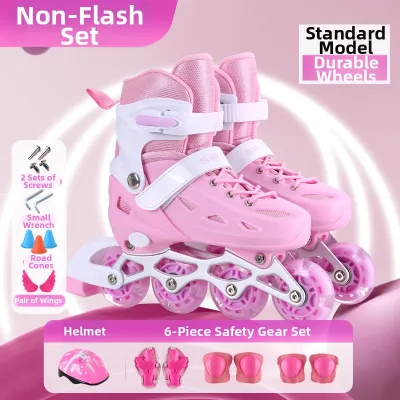
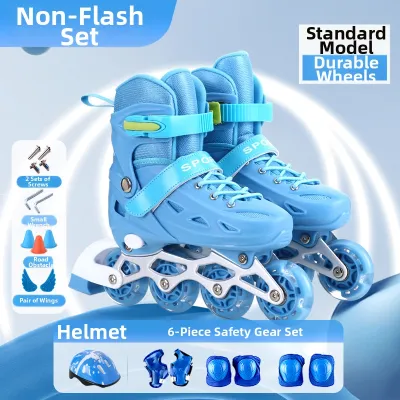
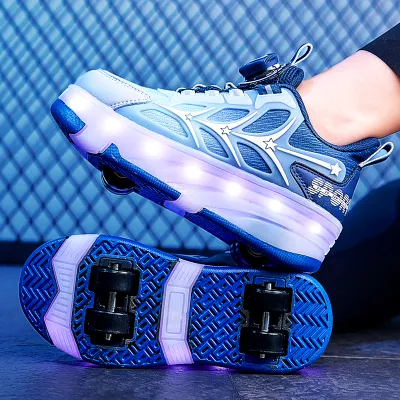
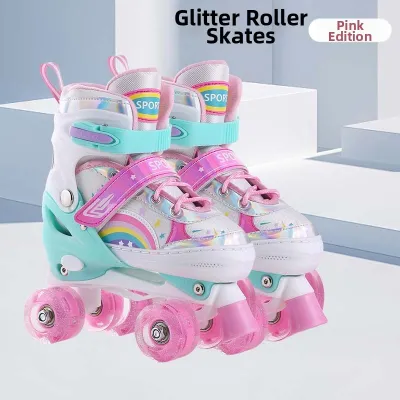
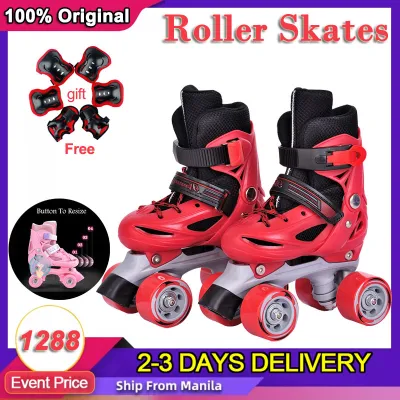
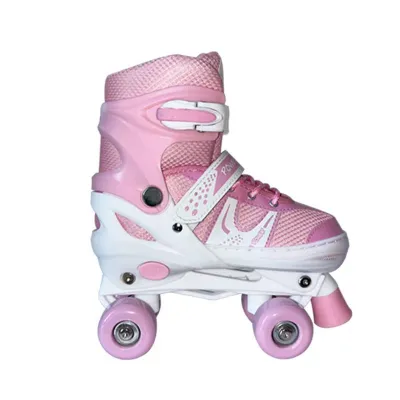
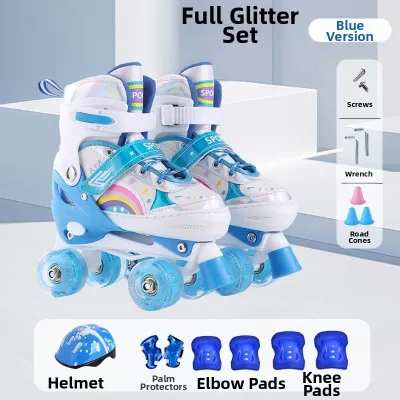
Prices are valid at publication and may change. Please refer to the product page for the latest price.
Your physical balance preference also plays a major role in this decision. Quad skates offer immediate lateral stability when you are standing still, making them feel highly secure to absolute beginners who worry about tipping sideways. However, they have a shorter wheelbase from front to back, which can make you feel less stable if you lean too far forward or backward. Inline skates have a longer wheelbase that supports your forward and backward balance, but they require your ankles to work harder to keep the skates upright and prevent them from rolling inward.
Understanding Quad Skates: Stability and Maneuverability
Quad skates feature four wheels arranged in a rectangular configuration, creating a wide platform that mimics the natural shape of your foot. This design provides excellent stationary balance, allowing you to stand upright with minimal effort when you first put them on. Because the wheels are positioned at the outer corners of the sole, you do not have to constantly engage your ankle muscles just to keep the skate from tilting left or right.

A defining feature of the quad skate is the front toe stop, a rubber plug located at the front of the plate. This component serves multiple purposes: it acts as an easy-to-reach brake when dragging your foot behind you, a launching point for jumps, and a pivot point for dance moves. For beginners, the toe stop offers a reassuring way to control speed on flat, smooth surfaces, provided you learn the correct posture to avoid tripping over it.
Despite these advantages, quad skates have distinct limitations when taken out of controlled indoor environments. The wide, flat contact patch of quad wheels means they encounter more rolling resistance, making it harder to maintain high speeds over long distances. Furthermore, because the wheels are wider and closer to the ground, hitting a small pebble, a twig, or a crack on a barangay basketball court can abruptly halt your momentum, potentially leading to a forward fall.
Understanding Inline Skates: Speed and Forward Momentum
Inline skates arrange three to four wheels in a single straight line beneath the boot. This streamlined profile minimizes friction and allows you to cover longer distances with far less physical exertion. The inline configuration is highly efficient at maintaining forward momentum, making it the preferred option for anyone looking to use skating as a high-energy outdoor workout.
To control this speed, most beginner inline skates come equipped with a removable heel brake on the right skate. Stopping requires you to slide the braking foot forward, flex your ankle upward, and press the rubber pad into the ground while keeping your knees bent for stability. This motion requires a committed forward-leaning posture, which helps keep your center of gravity low and prevents you from falling backward.
The primary challenge for beginner inline skaters is managing the initial lateral instability. Because the wheels are aligned in a single row, your ankles must remain strong and aligned to prevent the skates from bowing inward or outward, a common issue known as pronation. High-top plastic boots are commonly recommended for beginners to provide the necessary structural ankle support while these stabilizing muscles develop over your first few weeks of practice.
Matching Your Profile to the Right Roller Skates
To finalize your choice, match your primary skating location and physical comfort to the strengths of each skate type. If you plan to skate primarily indoors, practice dance steps, or value immediate side-to-side stability, prioritize quad skates. If you intend to skate outdoors on public roads, park paths, or rougher concrete, prioritize inline skates for their superior ability to handle uneven terrain and maintain speed.
When purchasing, always verify the fit and sizing by checking the manufacturer’s specific size charts rather than relying solely on your standard shoe size. A proper skate boot must fit snugly without pinching your toes, as any excess movement inside the boot can lead to painful friction blisters and a loss of control. Look for models that offer adjustable buckles or robust lacing systems to ensure your heel remains locked into the back of the boot.
If you are still undecided, consider visiting a specialized local retailer where you can try on both styles and check product labels for wheel hardness, also known as the durometer rating. For outdoor skating in humid, tropical climates, you will want softer wheels (around 78A to 82A) to absorb road vibrations, whereas indoor rinks require harder wheels (84A or higher) for a smoother glide. Retailers can also help you identify hybrid setups or suggest custom wheel adjustments tailored to your local neighborhood pavements.
Essential Safety Gear for Every Beginner
Regardless of whether you choose quad or inline skates, protective gear is a non-negotiable investment for every beginner. Before your first roll, verify that your helmet fits snugly on your head without shifting and check the manufacturer’s label for recognized safety certifications. A proper helmet should sit level on your forehead, covering your temples and the back of your head to protect against unpredictable falls.
A standard protective set should include wrist guards, knee pads, and elbow pads to cushion the impact of common beginner mishaps. Wrist guards are particularly critical, as the natural human instinct during a fall is to reach out with open hands, which can lead to severe wrist strain or fractures without proper bracing. Ensure all straps are adjusted tightly enough to keep the hard plastic caps securely positioned over your joints during movement.
Your choice of skate type can also influence your typical fall patterns, helping you anticipate where you need the most protection. Inline skaters are more prone to falling backward if they lose their balance, making a certified helmet and tailbone protection highly beneficial. Quad skaters, on the other hand, are more likely to trip forward over their toe stops or slide sideways, making durable knee pads and wrist guards your primary line of defense.
Frequently Asked Questions (FAQ)
Can I use quad skates for outdoor trail skating?
Yes, you can use quad skates outdoors, but you must swap standard indoor wheels for soft, outdoor-specific wheels. Look for wheels with a durometer rating of 78A, which are designed to absorb shock and roll over small pebbles, cracks, and rough asphalt. Additionally, be prepared to lift your feet slightly higher to avoid catching your front toe stops on uneven pavement.
Is it easier to learn to stop on quad or inline skates?
Both styles require practice, but they utilize different mechanics that appeal to different learners. Quad skates use a front toe stop, which requires you to drag one foot behind you, a motion that can feel unstable at first. Inline skates use a heel brake, which allows you to keep both feet on the ground while applying pressure, making it generally easier for beginners to learn quickly.
How do I know if my roller skates fit correctly?
Your roller skates fit correctly when your toes lightly touch the front of the toe box when standing straight, but pull back slightly when you bend your knees into a skating stance. Your heel should remain firmly locked in place without lifting when you walk or roll. Always check the manufacturer’s sizing guide, as skate sizes often differ significantly from standard shoe sizes.

Community discussion
Share your experience or ask a question. Comments are reviewed before publication.