
Choosing your first pair of skates is a thrilling milestone, but scrolling through an online marketplace can quickly become overwhelming. The choice between quad skates and inline skates is not about which option is universally superior, but rather which design matches your personal goals, your local environment, and your physical comfort. By understanding how these two distinct styles operate, you can make an informed decision that keeps you safe, confident, and excited to roll.
Quick Diagnosis: Quad or Inline for Your Skating Goals
To make an immediate decision, identify where you want to skate and what style of movement appeals to you most. Quad skates, with their classic four-wheel rectangular setup, are the traditional choice for indoor roller rinks, dance skating, and roller derby. They offer excellent stationary stability, making them highly approachable if your primary goal is to stand upright and learn basic footwork in a controlled environment.
Inline skates, commonly known as rollerblades, feature wheels arranged in a single straight line. This configuration is built for forward efficiency, speed, and outdoor versatility. If you picture yourself cruising along coastal boardwalks, navigating neighborhood streets, or using skating as a high-energy cardiovascular workout, inline skates are your ideal match.
Products mentioned in this guide
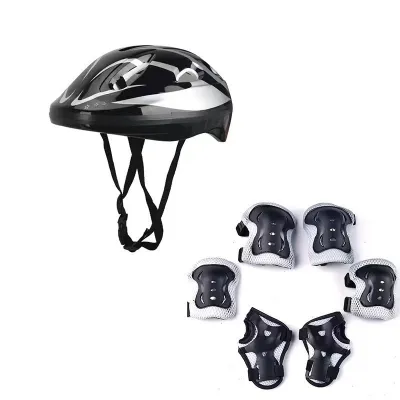
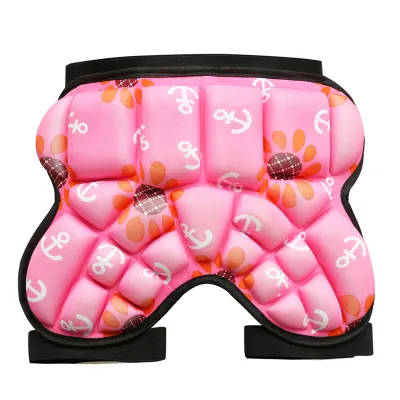
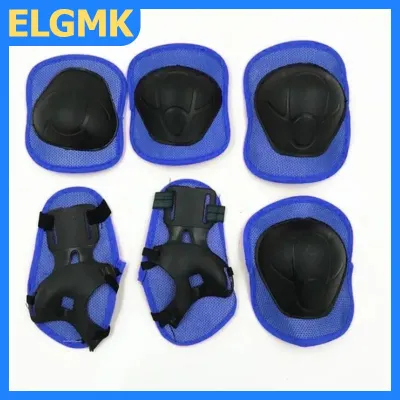
Prices are valid at publication and may change. Please refer to the product page for the latest price.
The core trade-off lies in lateral stability versus forward efficiency. Quad skates provide a wide, stable platform that prevents your ankles from tilting side to side, but they require more physical effort to push over long distances. Inline skates require active ankle stabilization to keep the wheels upright, but they glide effortlessly over cracks, twigs, and rough pavement once you find your balance.
How Wheel Configuration Affects Your Balance and Control
The physical mechanics of each skate type dictate how your body weight is distributed and how you will react during your first few hours on wheels. Quad skates feature two wheels in the front and two in the back, creating a wide rectangular base of support. This design distributes your weight evenly across a broad surface area, allowing you to stand completely still without needing to make constant micro-adjustments with your ankles.

Inline skates place three to four wheels in a single line directly beneath the center of your foot. This narrow base of support means your ankles must work continuously to prevent the skates from tilting inward or outward. While this can feel unstable at first, the inline configuration aligns perfectly with the natural forward stride of your legs, allowing for a much smoother transfer of energy from your body to the ground.
Because inline skates demand more lateral ankle control, the boots are typically constructed with high, rigid plastic cuffs that lock your ankles securely in place. This structural support is essential for beginners to prevent ankle strain. Quad skates are available in both high-top and low-cut designs, often made of softer materials like vinyl or leather. While high-top quads offer some support, they generally allow for more ankle flexibility, which is excellent for dance moves but requires you to build your own joint strength over time.
Maneuverability and obstacle navigation also differ significantly due to wheel contact points. Inline skates have a longer wheelbase, which provides excellent tracking and stability at higher speeds but requires a wider turning radius. Conversely, quad skates have a shorter wheelbase, allowing for incredibly tight turns and agile footwork. However, this short wheelbase makes quads highly sensitive to small debris; a tiny pebble can easily jam a wide quad wheel, whereas the narrow, rounded profile of an inline wheel is designed to deflect obstacles and roll right over them.
Self-Assessment: Match Your Skating Goals to the Right Setup
Before investing in your skate gear, conduct a realistic self-assessment of your local skating environment and personal physical limits. In tropical regions like the Philippines, outdoor skating often means dealing with high humidity, sudden afternoon rain showers, and varied pavement quality. Your local venue might be a smooth, polished concrete basketball court, a rough asphalt neighborhood street, or a dedicated indoor roller rink.
If you have access to a smooth indoor rink or a covered, polished concrete garage, quad skates will allow you to explore artistic skating, rhythm dancing, or casual social rolling. The wide, flat wheels grip smooth surfaces exceptionally well, giving you the traction needed to practice precise footwork and dance steps.
If your primary goal is outdoor fitness, long-distance cruising, or commuting, inline skates are far more practical. Rough asphalt, expansion joints on sidewalks, and small twigs are common outdoor hazards. The larger, narrower wheels of inline skates slice through these obstacles with minimal vibration, saving your knees and joints from excessive fatigue.
Your learning curve expectations should also guide your choice. If you want to feel immediately secure when standing still, quads offer that instant gratification. However, mastering the forward glide on quads can take longer because of the friction created by four wide wheels. If you do not mind spending your first couple of sessions building ankle strength, inline skates will reward you with a faster, more intuitive transition to gliding and steering, as the motion closely mimics running or ice skating.
Assessing Your Braking Preferences and Safety Comfort
Learning how to stop safely is the single most important skill for any beginner, and the braking mechanisms of these two skate types require entirely different physical techniques. Quad skates utilize a toe stop, which is a rubber plug located at the very front of the skate plate. To use a toe stop, you must drag one foot behind you and gently press the toe stop down onto the ground, relying on friction to bring you to a halt. This requires you to balance almost all of your weight on your front leg while extending your braking leg backward, a posture that can feel challenging for beginners to coordinate.
Inline skates typically feature a heel brake, which is a rubber pad attached to the back of one skate. To activate the heel brake, you slide your braking foot slightly forward, lift your toes, and press your heel down into the pavement. This motion allows you to keep both feet relatively close together and maintain a lower center of gravity, making it much easier to stay balanced while slowing down on downhill slopes or rough paths.
Understanding your skate’s center of gravity also dictates how you should practice falling. Because quad skates have a wider base, you are less likely to tip sideways, but you are highly susceptible to falling backward if your weight shifts too far onto your heels. Inline skates encourage a natural forward-leaning stance; if you lose your balance, you are more likely to fall forward. Falling forward is generally much safer, as it allows you to use your protective gear—specifically your knee pads and wrist guards—to slide and absorb the impact, rather than risking a tailbone or head injury from a backward fall.
As your skills progress, you will eventually learn to transition away from built-in brakes to advanced stopping methods. Techniques like the T-stop, where you drag one skate perpendicular to your direction of travel, or the plow stop, where you widen your stance and turn your toes inward, are essential milestones. Both skate types can perform these stops, but they require consistent practice on flat, dry surfaces before you attempt them in crowded areas.
Completing Your Skate Gear: Essential Protection for Beginners
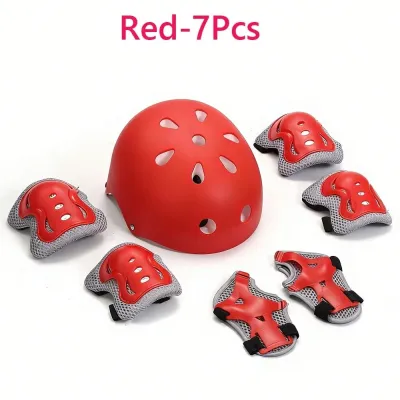
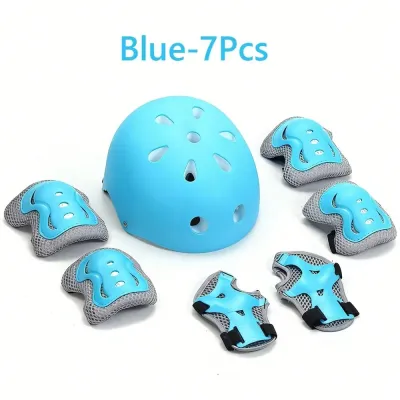
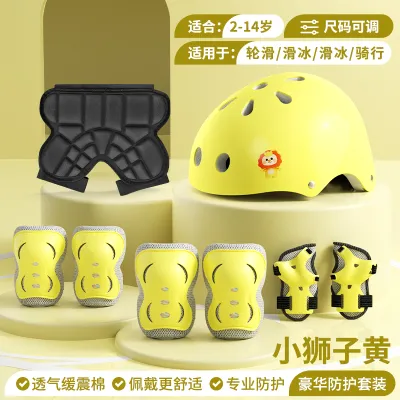
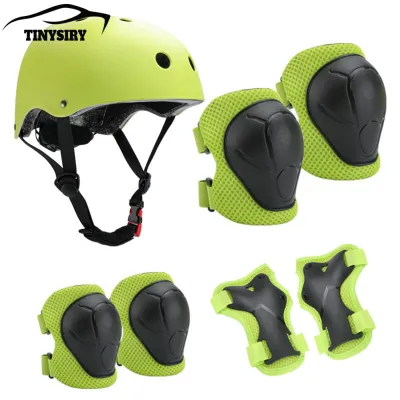
No matter which skate type you choose, your skate gear is never complete without a full set of high-quality protective equipment. Skating is a sport of balance, and falls are an inevitable part of the learning process. Wearing the proper gear not only prevents painful scrapes and serious joint injuries but also gives you the mental confidence to push past your comfort zone and improve your skills.
Your helmet is the most critical piece of safety equipment you will own. Look for a skate-specific helmet that features a low-profile design covering the back of your head, as traditional bicycle helmets do not offer adequate protection for backward falls. Ensure the helmet fits snugly without pinching, and always fasten the chin strap securely before you step onto the pavement.
A standard beginner pad set must include wrist guards, knee pads, and elbow pads. Wrist guards are particularly vital; when you fall, your natural instinct is to reach out with your hands to break your descent. A high-quality wrist guard features a rigid plastic splint that absorbs the impact and allows your hand to slide forward, preventing wrist fractures and severe sprains. Knee and elbow pads should feature thick, shock-absorbing foam topped with a durable plastic cap that can withstand repeated scrapes on rough concrete.
When skating in warm, humid climates, comfort and breathability are key to ensuring you actually wear your gear. Look for pads designed with moisture-wicking fabrics, ventilated mesh backings, and adjustable elastic straps that won’t slip down when you sweat.
When planning your budget, avoid the common mistake of spending your entire allowance on the skates themselves. A smart approach is to allocate approximately ₱1,500 to ₱3,000 of your budget specifically for a certified helmet and a durable pad set. Investing in reliable protection from day one is the best way to ensure your skating journey is defined by progress and fun, rather than painful setbacks and avoidable injuries.
Frequently Asked Questions (FAQ)
Can I use the same skates for both indoor and outdoor skating?
Yes, you can use the same boots for both environments, but you will need to pay close attention to your wheels. Wheels are rated by hardness using a scale called durometer. Indoor wheels are hard (typically 95A to 101A), which allows them to slide and roll smoothly on wood or polished concrete without sticking. Outdoor wheels are soft (78A to 85A), designed to absorb vibrations from rough pavement and grip uneven surfaces. While you can roll outdoors on hard wheels, the vibration will be highly uncomfortable, and using soft wheels on a sticky indoor floor will make you feel sluggish. Swapping your wheels to match your venue is the most cost-effective way to enjoy both worlds.
Is it easier to transition from quad to inline or vice versa?
Transitioning from inline skates to quad skates is generally considered slightly easier because inline skaters have already developed strong lateral ankle stability and a keen sense of forward-backward balance. When moving from quads to inlines, you must adjust to a much narrower base of support and learn to rely on a heel brake rather than a toe stop. However, both disciplines share the same core fundamentals of weight transfer, knee flexion, and edge control. Any time spent practicing on one type of skate will directly benefit your overall balance and coordination on the other.
How should beginner skates fit compared to regular shoes?
Beginner skates should fit much more snugly than your everyday sneakers. When you stand upright, your toes should just barely touch the front of the boot, and when you bend your knees into a proper skating stance, your toes should slide back slightly. It is crucial that your heel remains locked firmly in the back pocket of the boot without lifting when you push off. Loose skates allow your foot to slide around, which causes painful friction blisters and reduces your control over the wheels, making your ankles roll inward and increasing your risk of injury.

Community discussion
Share your experience or ask a question. Comments are reviewed before publication.