
Choosing between quad and inline skates as an adult depends on your primary skating environment, fitness goals, and personal balance preferences. Quad skates, with their classic two-by-two wheel configuration, offer excellent side-to-side stability that makes them highly suitable for dancing, artistic maneuvers, and casual rink cruising. Inline skates, featuring wheels arranged in a single line, excel in speed, forward tracking, and navigating rough outdoor pavement, making them the go-to choice for fitness training and long-distance commuting.
Before purchasing your first pair, it is essential to understand that roller skating is a high-risk sport that requires physical coordination and proper safety precautions. Beginners should assess their personal physical limits, particularly ankle strength and core balance, before heading out. Always perform a pre-ride safety check: verify that all axle nuts are tight, wheels spin smoothly without excessive play, and braking systems are securely attached. Stop skating immediately if you encounter wet weather, steep hills that exceed your stopping ability, or any mechanical instability in your boots or frames.
Understanding the Core Mechanics: Quad vs. Inline Design
The physical construction of a skate directly dictates how it moves, balances, and responds to your body weight. Quad skates utilize a wide, rectangular wheel base that provides exceptional lateral stability when you are standing still. This design uses two wheels in the front and two in the back, connected by adjustable metal or plastic suspensions called trucks. These trucks allow the wheels to pivot when you lean, enabling tight turns and expressive, dance-like footwork.
Products mentioned in this guide
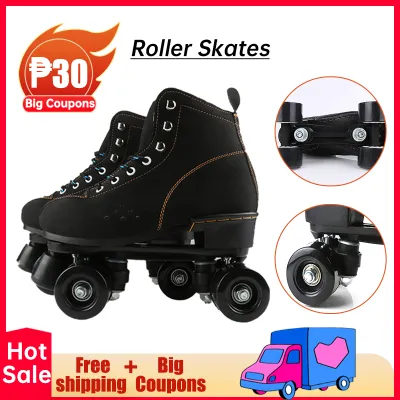
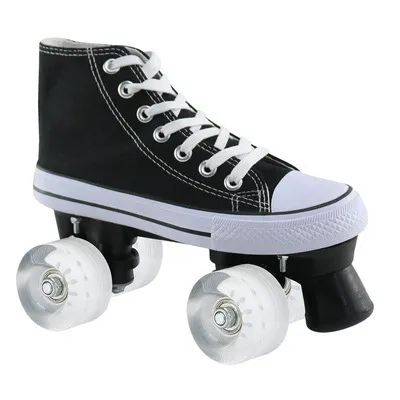
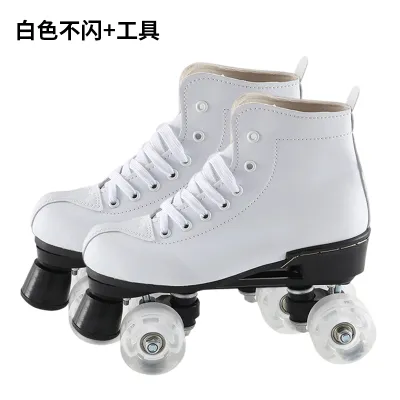
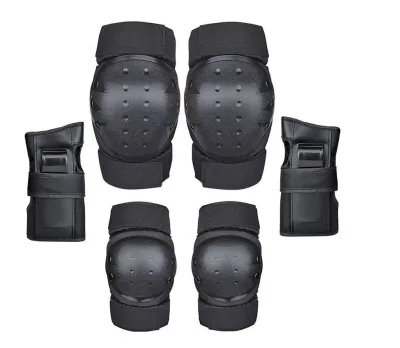
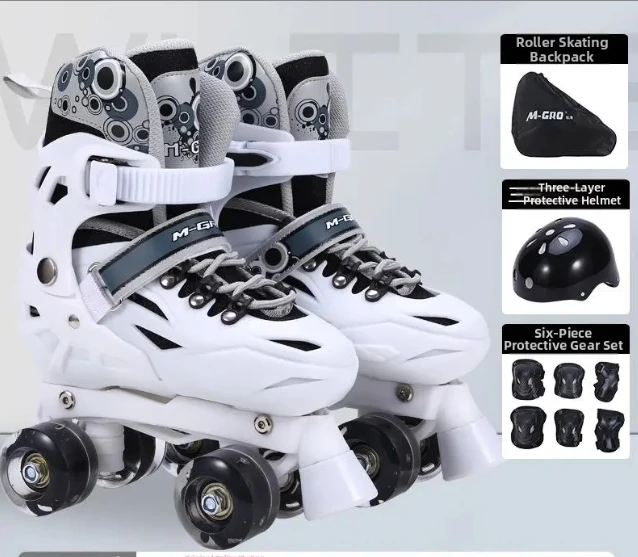
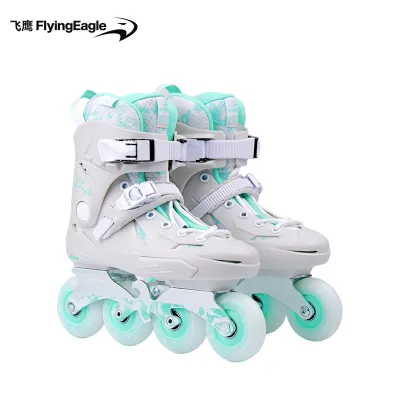
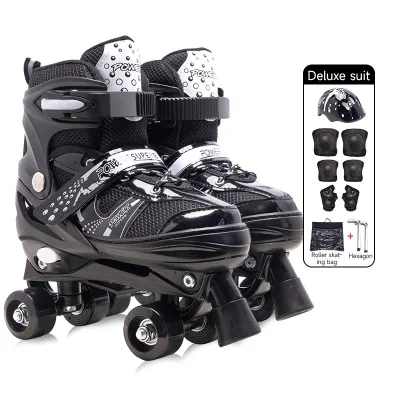
Prices are valid at publication and may change. Please refer to the product page for the latest price.
Inline skates arrange three to five wheels in a single longitudinal line, supported by a rigid metal or composite frame. This narrow profile minimizes rolling resistance and allows for a much longer stride, which translates to higher top speeds and efficient energy transfer over distance. While standing still on inline skates requires active ankle stabilization to prevent the wheels from tipping outward or inward, the long wheel base provides superior front-to-back stability once you are in motion.
Boot construction and braking mechanisms also differ significantly between the two styles. Quad skates typically feature a high-top boot made of leather, vinyl, or suede, utilizing a front-mounted toe stop for braking and quick acceleration starts. Inline skates generally use a hard plastic outer shell with a padded, removable liner to provide rigid lateral ankle support, paired with a traditional heel brake on the rear of one skate. Learning to use a front toe stop requires dragging the toe behind you, whereas an inline heel brake requires lifting your toes and pushing the heel down, representing two distinct muscle-memory pathways.
Diagnosing Your Skating Goals: Matching Style to Skate Type
Aligning your purchase with your long-term skating aspirations ensures you do not outgrow your equipment too quickly. If your primary goal is cardiovascular fitness, leg conditioning, or commuting through urban spaces, inline skates are highly efficient. Their design allows you to maintain high speeds with less physical exertion, making them ideal for covering kilometers of pavement along coastal boardwalks or dedicated park paths.

For those drawn to rhythm, music, and self-expression, quad skates are the traditional standard. The agility provided by the pivoting trucks makes quads the perfect platform for jam skating, dance routines, and artistic figure skating. Additionally, if you plan to join a local roller derby league, quad skates are the mandatory equipment standard, offering the low center of gravity and quick lateral cutting ability needed to navigate a crowded track.
Specialized disciplines also exist for both skate types in skateparks and urban environments. Aggressive inline skates feature small, hard wheels and a central grind block built into the frame, designed specifically for sliding down handrails and launching off ramps. Conversely, park quad skating has grown rapidly, utilizing highly durable plates, wide trucks, and specialized slide blocks to perform similar technical tricks on transition ramps and bowls.
Assessing Your Balance and Skill Level as an Adult Beginner
Adult beginners often face different physical challenges than children, particularly regarding joint flexibility, fear of falling, and center of gravity. When you first stand up on a pair of quad skates, the wide lateral base feels immediately secure, allowing you to stand in place without rolling. However, this can create a false sense of security; once you begin moving, any slight backward lean can cause the skates to shoot forward, leading to a fall.
Inline skates present the opposite learning curve. Standing still on a single line of wheels can feel incredibly unstable for the first few hours, often causing a beginner’s ankles to roll inward (pronation). However, once you initiate a forward stride, the inline skate’s long frame naturally prevents you from tipping forward or backward, making rolling stability much easier to maintain over cracks and uneven surfaces.
Your athletic background can greatly influence which skate feels more natural during your first session. If you have prior experience with ice skating, ice hockey, or snow skiing, the transition to inline skates is highly intuitive because the edge control and pushing mechanics are nearly identical. If you have no history of balance sports, starting on quads in a controlled, flat indoor environment can help you build foundational leg strength and balance without the initial anxiety of lateral instability.
Evaluating Your Preferred Skating Environment and Surfaces
The terrain you have access to is one of the most critical factors in your decision. Smooth, polished concrete surfaces, indoor roller rinks, and sports courts are highly accommodating to both quad and inline skates. In these controlled environments, you can focus entirely on your stride, transitions, and stopping techniques without worrying about external hazards.
Outdoor skating introduces unpredictable variables like pebbles, twigs, expansion joints, and rough asphalt. Inline skates are far better suited for these rugged environments because their narrow, large-diameter wheels easily roll over small debris rather than getting caught. Quad wheels are wider and have a larger contact patch with the ground; while this offers great grip, hitting a small stone on quads can cause the wheel to stop abruptly, potentially throwing the skater forward.
In tropical climates like the Philippines, outdoor skaters must also contend with high humidity, sudden downpours, and damp concrete. Wet surfaces drastically reduce wheel traction and can cause bearings to rust rapidly if they are not dried and lubricated immediately after a session. If you plan to skate on local barangay basketball courts or public parks, verify the hardness rating (durometer) of your wheels: softer wheels (78A to 82A) provide necessary shock absorption and grip on rough, damp outdoor concrete, whereas harder wheels (85A and above) are strictly reserved for smooth indoor floors.
The Final Decision Checklist: Choosing Your Adult Roller Skates
To finalize your decision, use the following comparison matrix to map your personal goals, environment, and physical preferences to the correct skate type:
| Feature / Preference | Quad Skates | Inline Skates |
|---|---|---|
| Primary Environment | Indoor rinks, smooth concrete courts | Outdoor paths, streets, rough asphalt |
| Primary Activity | Dance, rhythm, roller derby, casual cruising | Fitness, long-distance, urban commuting |
| Initial Stability | High lateral stability (easy to stand still) | Low lateral stability (requires ankle strength) |
| Rolling Stability | Moderate (sensitive to front-to-back tilts) | High (long frame prevents tipping) |
| Obstacle Handling | Sensitive to pebbles, cracks, and debris | Rolls easily over small stones and cracks |
| Braking Style | Front toe stop (requires backward drag) | Rear heel brake (requires forward heel press) |
Regardless of the skate type you choose, investing in high-quality protective gear is non-negotiable. A complete safety set includes a certified helmet, elbow pads, knee pads, and rigid wrist guards. When budgeting for your first setup, remember to allocate funds—often starting around ₱1,500 for a reliable set of protective pads—before choosing your skates. Wrist guards are especially critical for adult beginners, as the natural instinct to break a fall with outstretched hands can easily lead to severe wrist strain or fractures without proper reinforcement.
Finally, pay close attention to boot fit and sizing. Adult feet do not tolerate poorly fitting footwear, and skates that pinch or slip will quickly discourage you from practicing. Your skates should fit snugly with your toes just brushing the end of the toe box when standing upright, settling back slightly once you bend your knees into a proper skating stance. Keep in mind that stiff synthetic or leather boots require a break-in period of several hours; wearing moisture-wicking socks can help manage sweat in warm climates and prevent painful blisters during your first few sessions.
Frequently Asked Questions (FAQ)
Is it easier for adults to learn on quad or inline skates?
There is no universal answer, as the learning curve depends on your environment and prior experience. Quad skates are generally easier for learning to stand still and performing basic steps indoors because of their wide lateral base. However, inline skates are often considered easier for outdoor learning because their long frame and narrow wheels handle cracks, pebbles, and rough pavement with much less risk of tripping.
Can I use indoor skates for outdoor skating?
You can, but you must change the wheels first. Indoor skates are equipped with hard wheels (typically 95A to 101A) designed to slide smoothly on wood or polished concrete; using these outdoors on asphalt will cause extreme, painful vibrations and offer virtually no grip. To skate outdoors safely, swap your indoor wheels for soft outdoor wheels (78A to 82A) that can absorb shocks and maintain traction on rough surfaces.

Community discussion
Share your experience or ask a question. Comments are reviewed before publication.