
Evaluating RDX boxing gloves against other mid-range competitors requires looking past brand marketing to examine actual construction, padding distribution, and material quality. Since performance and durability vary by specific model and manufacturing batch, this guide provides a structured framework to verify the features that truly matter for your training safety, comfort, and budget before making a purchase. Choosing the right pair involves balancing shock absorption, wrist support, and material resilience against your specific training volume and local environmental conditions.
Core Construction and Padding Standards
The internal architecture of a boxing glove determines how effectively it disperses impact energy. In the mid-range category, manufacturers typically employ either multi-layer foam systems or injected molded foam. Multi-layer foam configurations, often found in brands like RDX, combine sheets of varying densities to absorb shock progressively. The outer layers disperse the initial force, while the denser inner layers prevent your knuckles from bottoming out against the target during heavy bag work.
Conversely, single-density or basic molded foams are common in entry-level and some lower-tier mid-range gloves. While molded foam offers a highly consistent shape and a pre-curved fit, it may degrade faster under heavy daily use. When evaluating RDX against its competitors, look closely at the padding profile. A well-constructed training glove should distribute padding evenly across the knuckles and down the back of the hand, rather than concentrating it solely on the punching surface.
Products mentioned in this guide
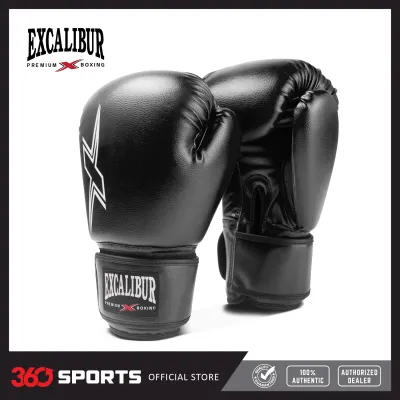
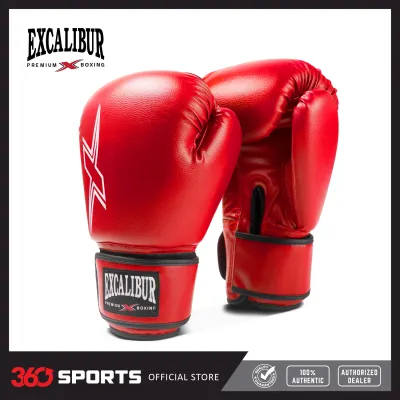
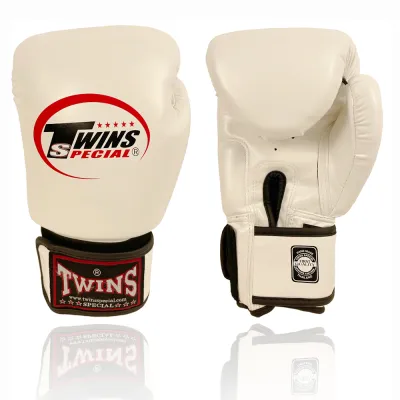
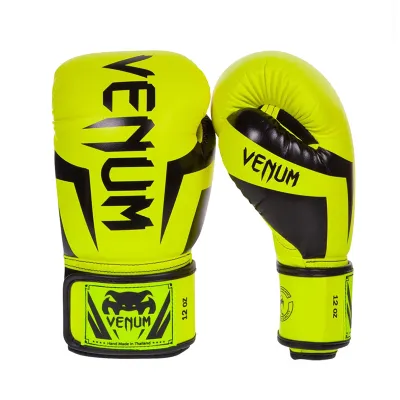
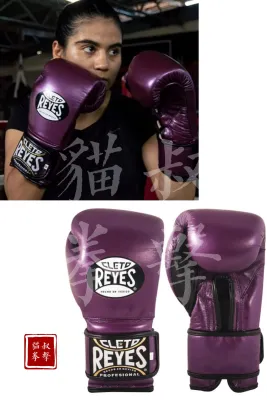
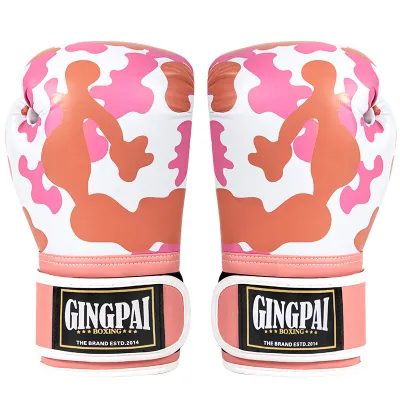
Prices are valid at publication and may change. Please refer to the product page for the latest price.
Weight distribution is another critical factor that directly impacts your training longevity. A poorly balanced glove feels front-heavy, pulling your wrists downward and increasing the risk of fatigue or hyperextension during long combinations. When trying on gloves, pay attention to whether the weight feels centered over your wrist joint or concentrated entirely in the knuckle area. High-quality mid-range options balance the glove by placing structured padding along the wrist support system.
Finally, examine the manufacturer’s specifications regarding thumb alignment and grip bar placement. The thumb should be anatomically positioned to sit flush against the fist, preventing accidental jamming or hyperextension upon impact. A prominent, well-padded grip bar inside the palm allows you to make a natural, tight fist without exerting constant muscular effort. If the internal hand compartment volume is too spacious, your hand may slide around inside, compromising both your punching form and the protective alignment of the padding.
Outer Materials and Durability Checks
The outer shell of mid-range boxing gloves is typically constructed from either high-grade synthetic leather or genuine leather. Synthetic options, such as polyurethane or engineered microfiber hides, have advanced significantly in recent years. Many mid-range brands, including RDX, utilize proprietary synthetic materials designed to mimic the tensile strength and flexibility of animal hide. These synthetics are highly resistant to cracking and require minimal maintenance, making them a practical choice for everyday gym use.

Genuine leather, while often positioned at the higher end of the mid-range price spectrum, offers unmatched natural elasticity and breathability. Leather gloves gradually mold to the unique shape of your hand over time, creating a highly personalized fit. However, they also require regular conditioning to prevent the material from drying out and cracking, especially when exposed to sweat. If you train in a highly humid environment, such as the tropical climate of the Philippines, managing moisture becomes a primary factor in determining the lifespan of your gear.
To assess the build quality of any mid-range glove, perform a thorough visual and tactile inspection of the seams and stitching. Double-stitched seams, particularly around high-stress areas like the thumb attachment and the wrist joint, are essential for preventing premature tearing. Look for tight, uniform thread patterns without loose ends or fraying. Additionally, check the palm area for ventilation features. High-quality gloves incorporate mesh panels or strategically placed perforation holes to facilitate airflow, which is crucial for keeping your hands cool and reducing odor buildup.
Caring for your gloves in humid conditions requires a proactive routine. After every training session, wipe down the exterior with a damp cloth and open the hand compartment as wide as possible to air dry. Avoid leaving your gloves inside a closed gym bag, as the trapped moisture creates an ideal breeding ground for bacteria and mold, which rapidly degrades both synthetic and genuine leather. Utilizing cedar inserts or specialized glove deodorizers can help absorb excess moisture and preserve the structural integrity of the lining.
Fit, Closure Systems, and Wrist Support
The closure system of a boxing glove is your primary defense against wrist injuries. Hook-and-loop closures are the standard for general training due to their convenience. They allow you to put on and take off your gloves independently during solo bag work or circuit training. When evaluating hook-and-loop systems, inspect the width and thickness of the strap. A wider strap covers more surface area of the wrist joint, providing superior leverage and stabilization against lateral bending.
Lace-up systems, while offering a highly customizable and secure fit, generally require a trainer or training partner to tie them properly. This makes them less practical for solo workouts but highly preferred for dedicated sparring sessions. Some mid-range brands offer hybrid closure designs or extra-long hook-and-loop straps that wrap around the wrist twice. Pay close attention to the quality of the loop mechanism through which the strap passes; plastic loops can crack under heavy tension, whereas reinforced fabric or metal loops offer much greater durability.
The internal lining of the glove plays a major role in both comfort and hygiene. Look for moisture-wicking fabrics that actively draw sweat away from your skin during high-intensity workouts. A slippery or loose lining can cause your hand to slide inside the glove, reducing your control and increasing the risk of friction burns. The lining should be securely stitched to the inner foam core to prevent it from bunching up or pulling out when you remove your hands.
Furthermore, evaluate the thickness of the padding along the wrist cuff. Many modern mid-range gloves feature dual or triple-panel wrist support, which acts like a splint to keep your wrist aligned with your forearm during heavy impacts. This structural support is vital for beginners who are still developing proper punching technique, as well as experienced athletes executing high-velocity combinations on dense targets.
Value Assessment and Price-to-Feature Ratio
When shopping for training gloves on local e-commerce platforms or at specialty sports stores, establishing a clear baseline of expected features helps you avoid overpriced or substandard gear. A reliable mid-range glove should offer multi-layered protective foam, a secure and wide wrist strap, reinforced stitching, and a moisture-resistant lining. If a product lacks transparency regarding its internal padding materials or outer shell composition, it is often a sign of compromised quality.
Be cautious of unusually low prices that seem to promise premium features. Genuine leather gloves offered at a fraction of the typical market rate often utilize low-grade split leather or highly synthetic blends that peel quickly under stress. Conversely, some brands charge a premium solely for aesthetic designs, vibrant prints, or licensed branding without offering any functional upgrades in safety or durability. Prioritize structural integrity and hand protection over visual appeal when allocating your budget.
To ensure you are getting genuine value, verify the manufacturer’s warranty terms and return policies before finalizing your purchase. Reputable mid-range brands typically offer a clear window to return products with manufacturing defects, such as loose stitching or misaligned padding out of the box. Reading verified user feedback on independent forums can also provide valuable insights into how a specific glove model holds up after six months of consistent training, helping you identify potential weak points in the design.
Decision Framework: When to Choose RDX vs. Alternatives
Choosing between RDX and other mid-range brands ultimately depends on your physical attributes and training style. RDX gloves are widely recognized for their generous internal hand compartment volume and robust, thick padding profiles. If you have larger hands, wrap your hands heavily, or prefer a highly cushioned, pillowy feel that absorbs maximum impact on the heavy bag, RDX’s typical design choices will likely align with your preferences. Their aesthetic options also cater to those who appreciate modern, bold graphics.
On the other hand, alternative mid-range brands may be more suitable if you prefer a snug, compact fit. Some traditional Muay Thai brands, for example, feature a flatter, more flexible profile that allows for easier hand opening and clinching. These designs often distribute padding more evenly across the back of the hand rather than concentrating it heavily over the knuckles, which is highly beneficial for blocking kicks. If you have narrow hands or prefer a highly responsive, tactile feedback where you can feel the impact of your punches more clearly, exploring these alternatives is advisable.
Before purchasing, always consult the manufacturer’s specific sizing chart, as glove sizing is typically based on weight in ounces rather than hand dimensions. To find your ideal size, measure your hand circumference just below the knuckles using a flexible measuring tape, and factor in the thickness of your hand wraps. Whenever possible, visit a physical sporting goods store to try on different models. Pay attention to how the glove feels when your hand is fully wrapped, ensuring there are no painful pressure points and that your fingertips do not press uncomfortably against the end of the compartment.
Frequently Asked Questions (FAQ)
How often should mid-range training gloves be replaced?
Mid-range training gloves typically need replacement when the internal padding begins to break down or when the wrist support loses its structural rigidity. Physical indicators of degradation include a noticeable softening of the knuckle area, feeling your knuckles make direct contact with the target, or visible shifting of the foam inside the shell. Torn seams, cracked outer materials, and a persistent, deep-seated odor that does not dissipate after thorough drying are also clear signs that the gloves have reached the end of their functional lifespan. Depending on your training frequency and impact level, a pair used three to four times a week will generally last between nine to eighteen months.
Can the same mid-range gloves be used for both bag work and sparring?
Using a single pair of mid-range gloves for both heavy bag work and partner sparring is generally not recommended due to safety concerns. Heavy bag training compresses and hardens the internal foam over time, which reduces its shock-absorbing capacity and makes it dangerous for sparring partners. Sparring gloves require softer, more resilient padding to protect your partner from injury, and they are typically larger, usually fourteen or sixteen ounces, to distribute impact force over a wider area. If you must use one pair for both, ensure they are at least 16oz and regularly inspect the padding for hardness; however, investing in dedicated pairs for each activity is the safest approach for you and your training partners.

Community discussion
Share your experience or ask a question. Comments are reviewed before publication.