
Choosing the right running carry system comes down to balancing your distance, hydration needs, and the specific gear you must carry. There is no single setup that excels in every scenario; a bulky pack will slow you down on a fast 5K, while a minimalist belt will leave you stranded without water on a long trail run. By matching your gear to your typical route, climate conditions, and personal comfort preferences, you can run efficiently without unnecessary bounce or chafing.
Understanding the Core Differences in Capacity and Fit
To select the right gear, you must first understand how capacity, hydration integration, and fit profiles differ across these three options. Storage capacity is typically measured in liters, ranging from less than 1 liter for minimalist waist packs to over 20 liters for commuter-focused running bags. Organization also varies significantly: waist packs offer quick-access zippered pockets around your center of gravity, vests distribute small pockets across your chest and shoulders, and running bags rely on a large main rear compartment.
Hydration integration is another major differentiator. Waist packs generally accommodate small, angled hard bottles or soft flasks up to 500ml, making them best for quick sips. Hydration vests are designed specifically around fluid delivery, featuring front pockets for dual soft flasks (usually 250ml to 500ml each) and a rear sleeve compatible with a 1.5-liter or 2-liter hydration bladder. Running bags can hold large bladders but often require you to stop or reach back to access external bottle pockets, prioritizing cargo space over on-the-go drinking efficiency.
Products mentioned in this guide
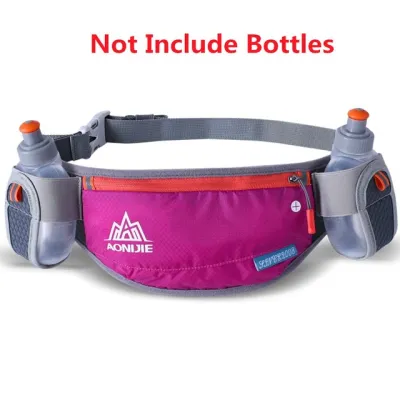
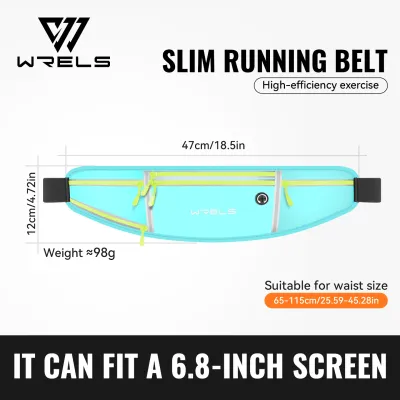
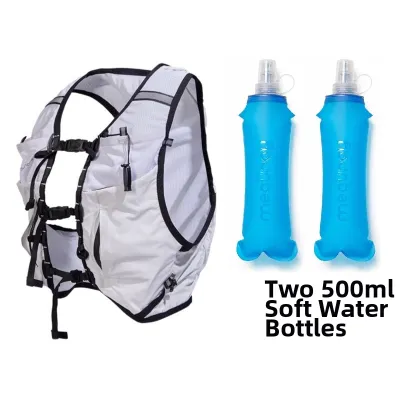
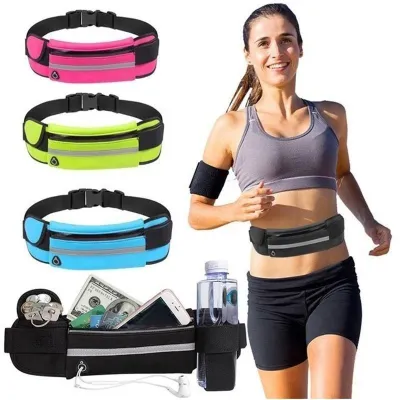
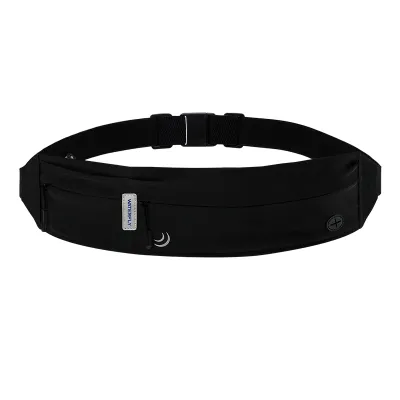
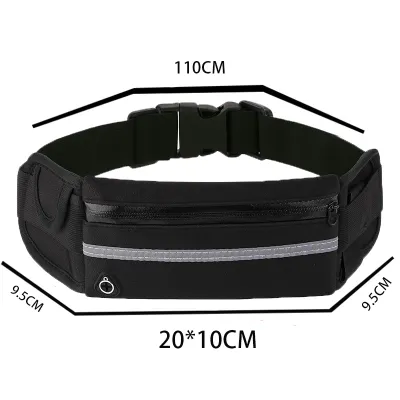
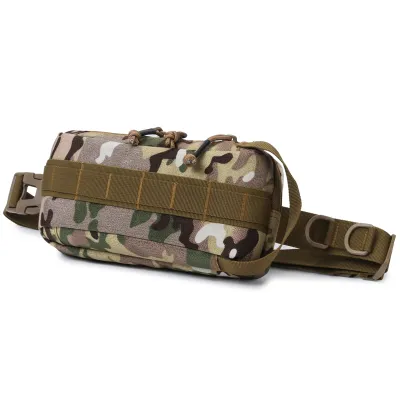

Prices are valid at publication and may change. Please refer to the product page for the latest price.
Fit and weight distribution directly impact how much the load bounces at different paces. A waist pack concentrates all weight on your hips, which works well if the load is light but can cause bouncing or slipping if overloaded. Hydration vests fit like a second skin, wrapping around your torso to distribute weight evenly across your chest, shoulders, and upper back to minimize movement during high-tempo runs. Running bags sit higher on the back and require robust harness systems, including sternum and waist straps, to keep heavier cargo stable when navigating uneven terrain or commuting.
When a Waist Pack is Your Best Option
A waist pack or running belt is the ideal choice for short to medium-distance road runs, track workouts, and urban routes where support stations or convenience stores are easily accessible. When you only need to carry a smartphone, house keys, a couple of energy gels, and perhaps a small emergency cash stash, a minimalist belt keeps your upper body completely free and unrestricted. This open-torso design is particularly advantageous in hot, humid tropical climates, as it maximizes airflow across your chest and back to help your body cool itself naturally.

For runs lasting under an hour, a waist pack allows you to maintain a high pace without the insulation of a full vest or backpack. Many modern running belts feature elasticized, tubular designs that slide up over your hips, sitting flat against your waistline to eliminate the need for plastic buckles that can dig into your skin. Some models also include external trekking pole loops or a small, angled holster for a single water bottle, providing just enough utility for a self-sustained 10K run.
However, waist packs have strict physical limitations that you must respect to avoid discomfort. If you attempt to pack a heavy smartphone, a full 600ml hard bottle, and multiple heavy items into a standard belt, the weight will inevitably cause the pack to bounce, slide up toward your stomach, or sag down your hips. This constant movement not only disrupts your running gait but can also lead to painful friction burns and chafing along your waistline.
When to Upgrade to a Hydration Vest
When your training runs extend past the one-hour mark, or when you venture onto remote trail routes, upgrading to a hydration vest becomes a matter of safety and performance. Vests are engineered to carry substantial fluid volumes—often up to two or three liters split between front flasks and a rear bladder—without shifting as you move. This high fluid capacity is essential for long-distance training in tropical heat, where dehydration can set in rapidly under the direct sun.
The primary advantage of a hydration vest is its superior, ergonomic weight distribution. By placing water flasks on your chest straps and positioning a bladder flat against your upper back, the vest keeps the center of gravity close to your body. This design allows you to breathe naturally and maintain proper running posture, even when carrying nutrition, a basic first-aid kit, a lightweight rain jacket, and trail navigation tools.
When selecting a vest for warm-weather running, pay close attention to sizing, torso length, and material breathability. Because a vest covers a large portion of your upper body, choosing a model made of thick, non-breathable nylon will trap heat and sweat, leading to rapid overheating. Look for open-mesh construction that promotes ventilation, and always check the manufacturer sizing charts to ensure a snug fit that prevents the fabric from rubbing against your collarbones, underarms, and lower back.
When You Actually Need a Running Bag
A dedicated running bag or commuter backpack is necessary when your carrying requirements extend beyond basic running gear to include daily essentials, electronics, or specialized outdoor equipment. If you practice run-commuting to work, a running bag provides the structured volume needed to carry a laptop, a change of clothes, dress shoes, and toiletries. It is also the go-to choice for multi-day fastpacking trips or self-supported trail adventures where you must carry shelter, cooking gear, and multiple days of food.
Unlike standard school or travel backpacks, running-specific bags are designed with active stabilization systems. They feature wide, vest-like shoulder straps, dual adjustable sternum straps, and a secure waist belt to pull the load tight against your spine. This construction prevents the bag from swaying side-to-side or hitting the back of your head when you run down steep hills or accelerate your pace.
The trade-off for this high carrying capacity is a significantly heavier load and increased heat retention. Running with a fully loaded 15-liter or 20-liter bag requires greater core strength and places more impact on your joints, meaning you should expect a slower average pace. Additionally, even the most advanced breathable back panels will cause significant back sweat in humid conditions, making it essential to pack your electronics and dry clothes inside waterproof dry bags or heavy-duty plastic liners before placing them in the main compartment.
Comparing the Three Carry Solutions
To help you quickly evaluate which gear type aligns with your current running goals, the table below outlines the key differences in use cases, capacity, hydration options, and fit.
| Gear Type | Best Use Case | Typical Capacity | Hydration Method | Fit Profile |
|---|---|---|---|---|
| Waist Pack | Short urban runs, track workouts, minimalist road training | 0.5 to 2 Liters | Single bottle holster or small soft flask | Sits flat on hips; requires precise tensioning to prevent bounce |
| Hydration Vest | Long-distance road runs, trail running, ultra-marathons | 3 to 12 Liters | Dual front soft flasks and/or rear bladder | Wraps snugly around torso; fits like clothing to minimize movement |
| Running Bag | Run-commuting, fastpacking, multi-day self-supported trips | 12 to 25+ Liters | Rear bladder compatible; external bottle pockets | Sits high on back; secured via sternum straps and waist belt |
Your Decision Framework: Which One to Buy
To make your final decision, evaluate your typical running environment, average distance, and what you cannot leave behind.
Choose a waist pack if your runs are generally under 10 kilometers, you run primarily in well-lit urban areas with access to water, and you only need to carry your phone, keys, and a single gel. This setup keeps you cool in tropical heat and allows for unrestricted upper-body movement.
Choose a hydration vest if you are training for half-marathons, full marathons, or trail races where you must remain self-sufficient for hours at a time. The vest is the best tool for carrying multiple liters of water, electrolyte mixes, salt tablets, and mandatory race gear without sacrificing your running form.
Choose a running bag if your primary goal is utility, such as commuting to the office with a laptop and a change of clothes, or embarking on wilderness fastpacking trips that require overnight gear.
Before making any purchase, verify the sizing specifications carefully. For waist packs, measure your hips where the belt will actually sit, rather than relying on your standard pant size. For hydration vests, use a flexible tape measure to find your chest circumference while wearing your typical running attire, and check if the brand offers unisex or gender-specific cuts to ensure the shoulder straps and chest pockets align correctly with your body shape.
Frequently Asked Questions (FAQ)
Can I use a regular backpack instead of a specific running bag?
Using a standard school or lifestyle backpack for running is generally not recommended because these bags lack the specialized harness systems needed to control bounce. Standard backpacks typically feature narrow, unpadded shoulder straps and lack sternum or waist straps, causing the bag to shift violently with every stride. This constant movement leads to severe friction burns on your shoulders and lower back, and the shifting weight can strain your neck and core muscles. If you must use a regular bag for a very short commute, choose one with a chest strap, pack it as tightly as possible, and keep your pace slow to minimize impact.
How do I prevent a hydration vest from chafing in humid weather?
Preventing chafing in hot, humid conditions requires a combination of proper fit, skin preparation, and regular gear maintenance. Start by adjusting the vest straps so the pack fits snugly against your body without restricting your breathing; any loose fabric will rub against your skin and cause irritation. Apply a silicone-based or natural anti-chafe balm to high-friction areas, such as your collarbones, underarms, lower ribs, and neck, before you start running. Finally, sweat leaves behind abrasive salt crystals on your vest fibers, so make sure to rinse your gear in fresh water after every run according to the manufacturer’s care instructions to keep the fabric soft and pliable.

Community discussion
Share your experience or ask a question. Comments are reviewed before publication.