
To find the ideal running waist bag, you must prioritize stability, storage layout, and moisture management. Running in tropical climates like the Philippines means dealing with intense humidity and heavy sweat, making standard casual bags highly impractical. A dedicated running waist bag must remain completely secure against your body during high-impact movement while protecting your essentials from moisture. By focusing on key design features, you can select a bag that enhances your training rather than causing distraction.
Stability and Bounce Prevention
A bouncing waist bag is more than just an annoyance; it can cause painful chafing and disrupt your running stride. To prevent this, pay close attention to the belt width and elasticity. Wider, elasticated bands distribute weight more evenly across your hips or waist, reducing the pressure points that thin, rigid cords often create. Look for materials that offer a firm stretch without losing their shape over time, ensuring the bag moves with your body rather than against it.
The adjustment mechanism plays a critical role in maintaining a locked-in fit. Quick-release buckles are highly convenient for putting the bag on and taking it off, but they must feature secure locking teeth to prevent the strap from slipping mid-run. Alternatively, sliding adjusters or tension locks allow for micro-adjustments, though you should verify that they do not loosen under the repetitive impact of your stride.
Products mentioned in this guide
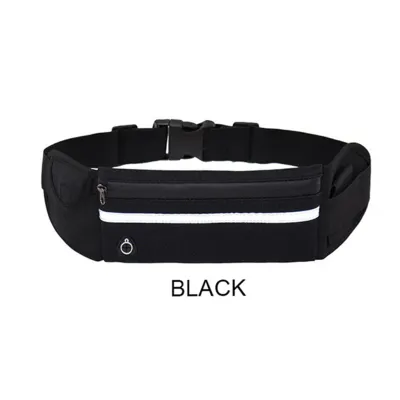
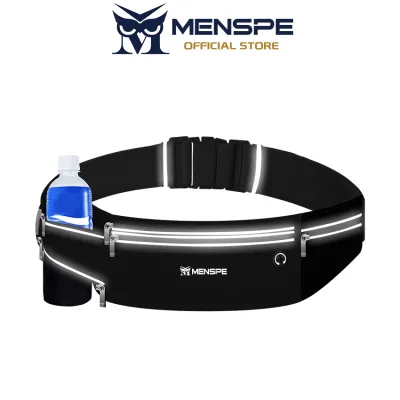
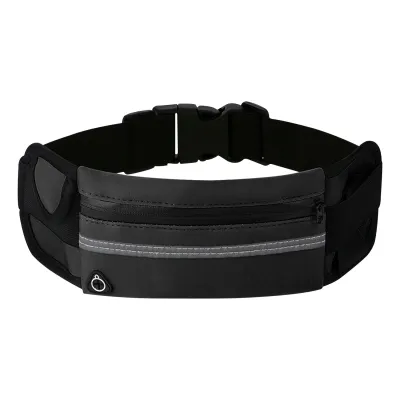
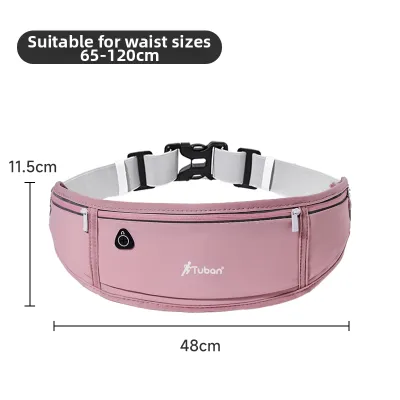

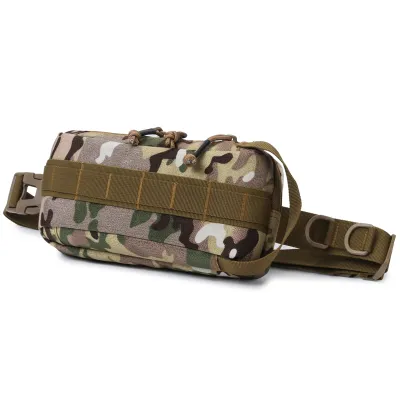
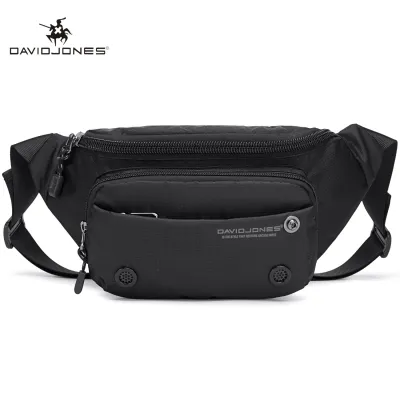
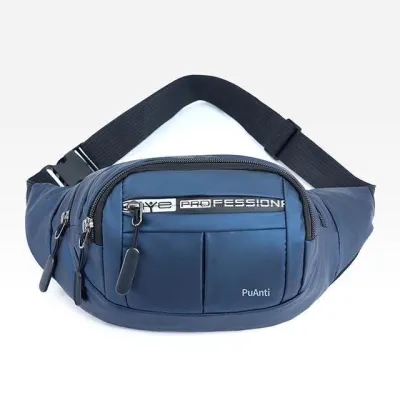
Prices are valid at publication and may change. Please refer to the product page for the latest price.
Weight distribution within the bag itself also influences stability. A single, large pouch allows heavy items like smartphones to shift from side to side, creating an unbalanced load. Opting for a design with multiple smaller compartments or a centralized pocket keeps your gear anchored in place, minimizing lateral movement.
Storage Capacity and Device Compatibility
Carrying a smartphone is essential for safety, navigation, and tracking your runs, but modern devices are increasingly large. Before purchasing, always measure your phone—including its protective case—and compare these dimensions against the manufacturer’s pocket specifications. A pocket that is too tight will stretch the fabric excessively, potentially damaging the zipper or making it incredibly difficult to slide the phone out in an emergency.

An organized compartment layout is vital for protecting your gear. Keys, coins, and plastic cards should never share a pocket with your phone, as they can easily scratch the screen or camera lenses. Look for internal dividers, dedicated key clips, or separate zippered sleeves that isolate sharp objects from delicate electronics.
For longer training sessions, hydration becomes a primary concern. Some running waist bags feature specialized sleeves or angled holsters designed to hold small water bottles, while others use expandable mesh to accommodate soft flasks. If you plan to run long distances, verify whether the bag’s structure can support the weight of water without sagging or bouncing excessively.
Material, Breathability, and Weather Resistance
In hot and humid environments, heat buildup under your gear can quickly lead to discomfort. The back panel of the waist bag—the side directly touching your body—should feature a highly breathable mesh or moisture-wicking lining. This design allows air to circulate and channels sweat away from your skin, reducing the risk of friction-induced chafing during long runs.
Understanding the distinction between water resistance and waterproofing is crucial for protecting your valuables. Many running bags feature a Durable Water Repellent (DWR) coating, which easily sheds light sweat or a brief tropical drizzle. However, if you frequently run in heavy downpours, you should check the manufacturer’s specifications for fully waterproof fabrics, sealed seams, or specific IP ratings to ensure your electronics remain completely dry.
Selecting the right material involves balancing durability with weight. Heavy-duty fabrics like thick ripstop nylon offer excellent resistance to tears and abrasions, making them ideal for trail running where branches and rocks are a hazard. For road running, however, ultra-lightweight synthetic blends are often preferred to minimize the overall load and maximize breathability.
Accessibility and Security on the Move
When you are in the middle of a hard interval or a long run, you should not have to stop to access your gear. High-quality zippers with large, textured pulls or cord loops are essential, as they allow you to open and close compartments easily even when your hands are sweaty. Smooth zipper action prevents you from having to tug violently at the bag while moving.
The entry point design dictates how quickly you can retrieve items. Top-loading pockets with elastic closures offer rapid access to energy gels or salt tablets, while side-entry or wrap-around zippered pockets are better suited for items you need to keep highly secure, such as cash or identification cards.
Security features are particularly important for urban runners. Look for hidden pockets positioned against your body to store high-value items like credit cards or emergency cash, such as a ₱500 bill for unexpected transport or hydration purchases. Internal key clips are also invaluable, ensuring your house keys do not accidentally fall out when you reach for a phone or gel.
Visibility and Night Running Safety
If your schedule requires you to run during the early morning or late evening, visibility is a paramount safety concern. Check the placement and surface area of reflective elements on the waist bag. Ideally, the bag should feature 360-degree reflective strips or logos, ensuring you remain visible to motorists and cyclists from all angles.
External attachment points add an extra layer of safety. Look for small fabric loops or plastic clips specifically designed for mounting aftermarket LED safety lights. These active light sources are highly effective at drawing attention in poorly lit urban areas or along dark roadsides.
Your choice of color also impacts your overall safety profile. While stealthy dark tones are popular for their resistance to showing dirt, high-visibility neon colors like fluorescent yellow, orange, or pink significantly enhance your presence during daylight hours and twilight, making them a smart choice for road runners.
Frequently Asked Questions (FAQ)
Can I use a regular travel waist bag for running?
While a standard travel or fashion waist bag can physically hold your items, it is generally unsuitable for running. Travel bags typically lack the specialized bounce-prevention mechanisms, elasticated waistbands, and snug fits required to keep gear stable during high-impact movement. Furthermore, they rarely feature breathable, moisture-wicking back panels, which can lead to severe chafing and sweat-soaked belongings.
How do I measure my waist for a running belt?
To ensure a secure and comfortable fit, measure your circumference at the exact height you plan to wear the belt. Some runners prefer the belt high on their natural waist, while others prefer it low on their hips to prevent riding up. Use a flexible measuring tape, keep it snug but not tight, and compare your measurement against the manufacturer’s size chart, paying close attention to the maximum stretch limits of the elastic.

Community discussion
Share your experience or ask a question. Comments are reviewed before publication.