
Sabiki rigs are highly efficient multi-hook jigging setups designed to mimic tiny marine life like zooplankton or small baitfish. For anglers targeting live bait along coastal waters or piers, understanding the specifications on the packaging is key to a successful outing. The right combination of hook size, hook count, and flash materials determines what species you will catch and how easily you can manage your gear without frustrating tangles.
Selecting a rig without checking these specifications often leads to missed strikes or a chaotic mess on deck. By learning how to decode these specs, you can tailor your presentation to match the exact behavior of your target fish. Whether you want to fill your bait well with sardine (tamban) or target larger schooling scad (salay-salay), matching your gear to the environment is the first step toward a productive day.
Understanding Hook Sizes for Your Target Species
Selecting the correct hook size is critical because it must match both the mouth structure and the feeding caution of your target species. Sabiki hook numbering systems vary significantly by manufacturer, with some brands using Japanese sizing scales and others using standard international scales. Before purchasing, always inspect the specific manufacturer’s sizing chart printed on the packaging to verify the actual physical dimensions of the hooks.
Products mentioned in this guide
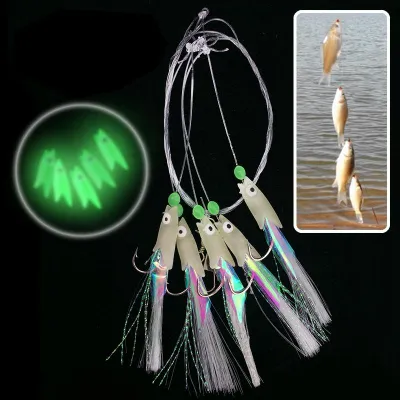
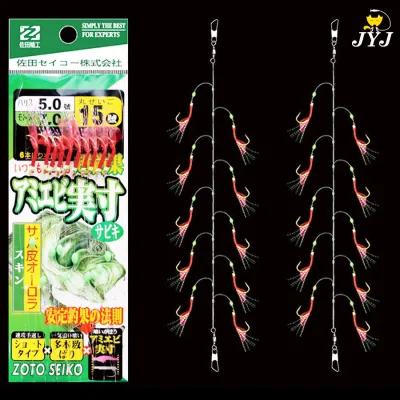
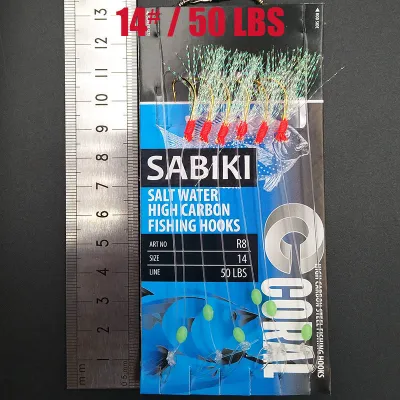
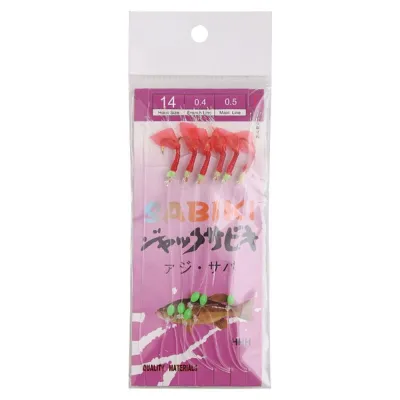
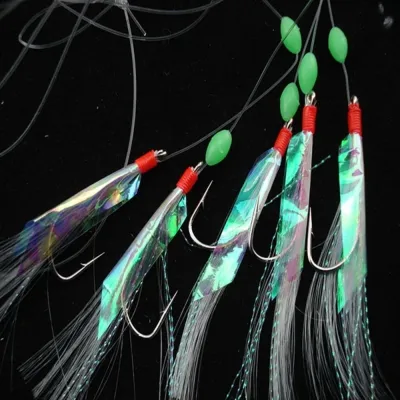
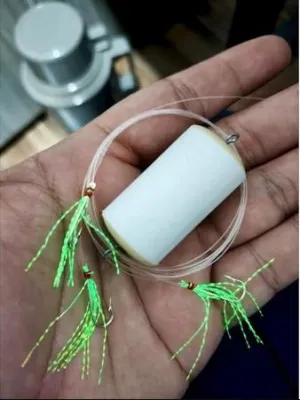
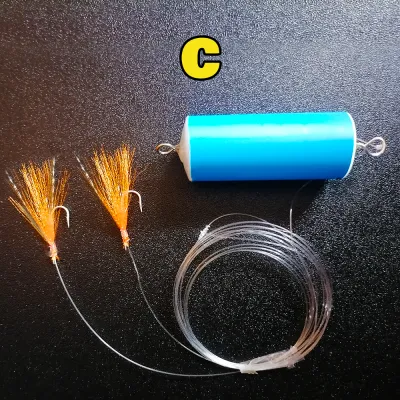
Prices are valid at publication and may change. Please refer to the product page for the latest price.
Smaller hooks, typically ranging from size 4 to size 8 on Japanese scales, are highly effective for small-mouthed baitfish and cautious feeders. These smaller profiles are less visible in clear water and are easily swallowed by fish with delicate mouths. However, the trade-off is that small hooks have limited holding power and can easily bend if a larger predator grabs the line.
Larger hooks, such as sizes 10 to 14, offer better hook-up ratios and holding power when targeting larger, more aggressive species like mackerel (hasa-hasa) or small jacks (talakitok). These hooks are constructed from thicker wire that resists bending under heavy loads. To ensure proper penetration, visually estimate the hook gap—the distance between the hook shank and the point—against the typical mouth width of your target catch.
Evaluating Hook Count and Rig Configuration
The number of hooks on a sabiki rig directly influences your fishing efficiency, but it also dictates how difficult the rig is to handle. High-hook rigs, which typically feature six to eight hooks, offer maximum bait presentation and allow you to catch multiple fish on a single drop. This configuration is highly efficient when fish are schooling densely, but it requires excellent rod control and can quickly turn into a tangled mess in inexperienced hands.

In contrast, low-hook rigs featuring three to five hooks are much easier to handle, deploy, and retrieve. These shorter rigs are highly recommended for beginners, young anglers, or anyone fishing from crowded piers and small boats where space is limited. They reduce the risk of accidental snags on clothing, gear, or nearby structures, allowing for faster and safer deployment.
Before purchasing or deploying any multi-hook setup, always verify local fishing regulations regarding the maximum allowed hooks per line. Some marine sanctuaries or specific fishing zones enforce strict limits on hook counts to prevent overfishing. Additionally, pay attention to the dropper line (snood) length; longer snoods allow the lures to flutter more naturally, but they are highly prone to twisting and tangling in strong currents.
Selecting Flash Materials and Skirt Colors
The materials and colors dressing each hook are designed to catch the light and mimic the natural movement of prey. High-reflectivity materials, such as metallic foils, bright tinsel, and iridescent fish skin, are excellent for low-light conditions, overcast days, or deep-water environments. These materials maximize the available light, creating a strong flash that attracts predatory baitfish from a distance.
For clear, shallow waters or bright, sunny days, subtle or pearlescent materials are generally more effective. Soft pink, light green, or clear silicone skirts provide a more natural, translucent appearance that does not spook cautious fish. In these highly visible conditions, overly bright or flashing materials can appear unnatural and cause schooling fish to avoid your rig entirely.
When fishing in deep, murky, or heavily shaded waters, consider rigs that incorporate UV or glow-in-the-dark additives. These specialized materials absorb light and emit a subtle glow, providing a critical visual guide in dark environments. Rather than relying on a single universal color, observe the local water conditions and try to match the general color profile and silhouette of the dominant local forage.
Matching Sabiki Specs to Fishing Conditions
To make the best decision on the water, you must combine hook size, hook count, and material specs into a cohesive strategy. In clear, calm waters targeting small baitfish, opt for a rig with small hooks (sizes 4 to 6), subtle pearlescent materials, and a standard five-hook configuration. If you are fishing in deep, murky water or targeting larger species like mackerel, transition to larger hooks (sizes 10 to 12) featuring high-reflectivity or glow-in-the-dark flash materials.
Before dropping your rig, always perform a quick safety and quality check on the main line and snood strength. Inspect the packaging for the pound-test rating of both the main trunk line and the individual branch lines to ensure they can handle the weight of multiple fighting fish. A typical quality rig might cost anywhere from ₱50 to ₱150, but using a worn-out or cheap rig with weak line strength can result in losing your entire setup.
Knowing when to retire a sabiki rig is essential for maintaining a high catch rate and preventing gear loss. Inspect your rig regularly and discard it if you observe rusted or dull hooks, degraded or missing flash material, frayed dropper lines, or stiff line memory. Replacing a compromised rig ensures that every strike results in a secure hook-up rather than a broken line.
Frequently Asked Questions (FAQ)
Can I cut a sabiki rig to use fewer hooks?
Yes, you can safely customize a commercial sabiki rig to match your local regulations or handling preferences by cutting it down. Use a sharp pair of line cutters to snip the main trunk line between the hooks, making sure to leave enough line on both ends to tie secure knots. Always preserve the original swivels by retying them to the newly cut ends of your shortened rig using a reliable knot, such as a Palomar or Uni knot, and pull-test the connections to verify their structural integrity before casting.
How do I prevent sabiki dropper lines from tangling?
Preventing tangles requires careful storage and controlled deployment techniques. After a fishing session, wrap your sabiki rig around a dedicated foam rig winder or a flat piece of cardboard to keep the line straight and prevent it from developing stiff coils. When deploying the rig into the water, never drop it in a loose, tangled pile; instead, keep slight tension on the main line as you lower it, allowing the weight of the sinker to pull the rig down smoothly so the dropper lines remain extended away from the main trunk.

Community discussion
Share your experience or ask a question. Comments are reviewed before publication.