
Selecting the right shelter can make or break an outdoor adventure, especially when navigating the diverse climates and terrains of the Philippines. The Safari Stingray camping tent is best suited for stationary outdoor activities where interior space, comfort, and structural stability are prioritized over lightweight portability. This makes it an excellent match for family car camping, coastal beach trips, and multi-day base camps where you can transport your gear directly by vehicle. Understanding how its specific design features align with your planned activities ensures you choose a shelter that keeps you comfortable, dry, and secure.
Key Specifications to Evaluate for Your Camping Style
Before purchasing any tent, you must verify its physical specifications against your specific camping habits. Start by checking the manufacturer’s stated capacity. A four-person rating typically means four sleeping pads can lie side-by-side with minimal room for gear. If you prefer extra breathing room or need to store bags inside, consider sizing up or carefully checking the internal floor dimensions and vestibule space listed on the product packaging.
Packed weight and folded dimensions are equally critical. Because spacious tents often utilize robust fabrics and heavy-duty poles, they can be bulky. Measure your vehicle’s trunk or cargo area to ensure the packed tent fits alongside your coolers, sleeping bags, and other camp kitchen essentials. If your campsite requires even a short hike from the parking area, confirm whether the carrying bag features comfortable straps.
Products mentioned in this guide
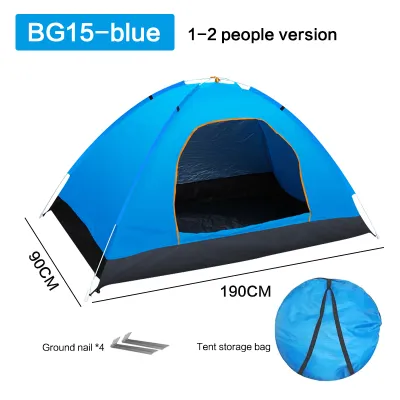
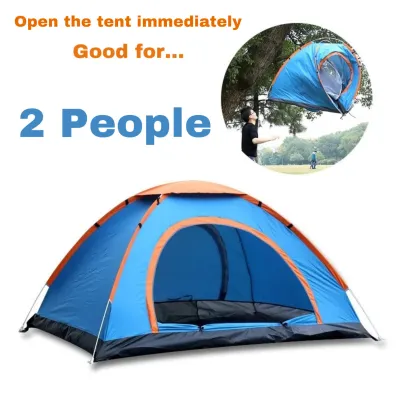
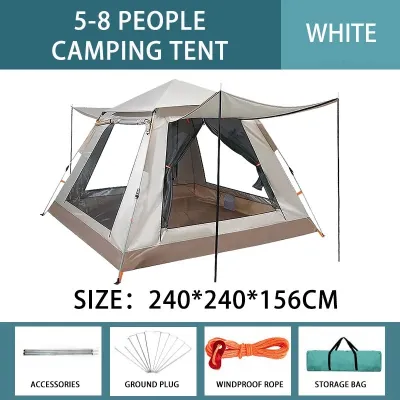
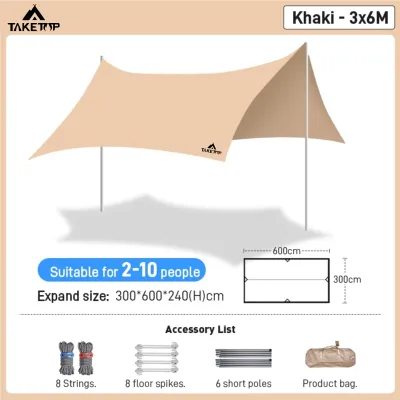
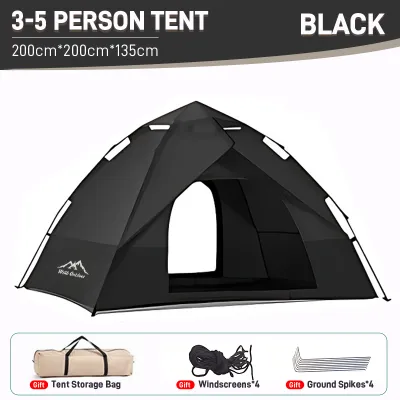
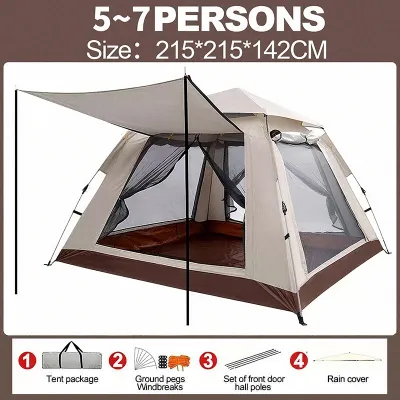
Prices are valid at publication and may change. Please refer to the product page for the latest price.
Weather resistance in tropical environments requires close inspection of fabric materials and hydrostatic head (HH) ratings. Look for the HH rating on the product label, which is measured in millimeters. A higher rating indicates greater resistance to water penetration under pressure. Additionally, examine the ventilation design; large mesh panels are essential for managing high humidity and preventing condensation buildup overnight.
Finally, review the pole structure and official setup instructions. Tents with complex geodesic or multi-pole configurations offer excellent stability but may require more time and hands to pitch. Check if the poles are made of fiberglass or aluminum, as this affects both the overall weight and the flexibility of the frame under sudden wind loads.
Best-Fit Scenarios for the Safari Stingray Tent
The structural profile and footprint of this tent make it highly adaptable to environments where comfort and stability are paramount. Its design typically features a generous footprint that maximizes usable floor area, making it a reliable home base in several distinct camping scenarios.

Family and Group Car Camping
Car camping allows you to bypass the strict weight limits of backpacking, making spacious tents highly practical. When camping with family or a group of friends, having sufficient headroom and organized sleeping layouts is vital for maintaining harmony. This tent’s design allows occupants to sit up comfortably, change clothes, and move around without constantly bumping into the walls or other campers.
While the larger packed size of a group tent can be a challenge for small sedans, the convenience of driving directly to your campsite mitigates this drawback. You can easily allocate space in your vehicle for the tent, knowing that the payoff is a comfortable, cabin-like experience once you arrive at your destination.
To keep the sleeping area clean and organized, plan your gear storage strategically. Utilize the tent’s internal pockets for small personal items like headlamps and phones. If the tent features a vestibule, use this covered outdoor space to store muddy hiking boots, wet sandals, and bulky storage bins, keeping the main sleeping cabin free of clutter and dirt.
Beach and Coastal Getaways
Setting up camp along sandy shores presents unique challenges, particularly regarding wind and anchoring. Standard wire pegs easily pull out of loose sand, so you must verify the availability of sand-specific pegs or wide stakes. Alternatively, learn how to use deadman anchors—burying heavy objects like logs or sandbags tied to your guy lines—to secure the structure against coastal breezes.
Tropical beach camping in the Philippines often means dealing with intense heat and fine sand. Evaluate the tent’s mesh panels to ensure they allow maximum airflow to cool the interior during humid nights. At the same time, check that the mesh weave is fine enough to prevent tiny insects and windblown sand from entering your sleeping space.
Saltwater and sand are highly abrasive and corrosive to tent components. After a coastal trip, establish a thorough maintenance routine. Gently rinse the tent fabric, zippers, and poles with fresh water to remove salt residue, and ensure the entire structure is completely dry before storing it to prevent mold, mildew, and zipper corrosion.
Extended Base Camps and Multi-Day Stays
For multi-day adventures where your tent remains pitched in one spot for several days, durability is key. Prolonged exposure to ground moisture and ultraviolet (UV) rays can degrade materials over time. Check the product specifications for UV-resistant coatings on the rainfly and a heavy-duty, waterproof floor material, such as polyethylene or thick polyester, to withstand constant contact with rough ground.
An extended stay allows you to organize the interior into distinct functional zones. Designate one section strictly for sleeping pads and bedding, another for staging daily gear, and a central area for socializing or playing card games during afternoon rain showers. This zoning helps maintain cleanliness and order over several days.
A semi-permanent setup requires daily maintenance to ensure structural integrity. Make it a habit to check the tension of your guy lines every morning, as nylon and polyester can stretch when wet or exposed to temperature changes. Re-secure loose stakes, clear fallen leaves or debris from the roof, and inspect the surrounding ground for proper water drainage.
When to Consider Alternative Tent Options
While versatile, this style of tent is not a universal solution for every outdoor activity. In high-altitude or extreme alpine environments, weather conditions can deteriorate rapidly, bringing gale-force winds and heavy snow loads. Standard recreational tents lack the specialized, low-profile aerodynamic designs and heavy-duty pole configurations required for these harsh conditions. For alpine expeditions, specialized four-season mountaineering tents are mandatory.
Long-distance backpacking and ultralight hiking also demand a different class of gear. Carrying a heavy, bulky tent over kilometers of steep trails quickly leads to physical exhaustion. Backpackers prioritize minimalist shelters, tarp tents, or ultralight double-wall tents that weigh under two kilograms and pack down to the size of a water bottle, sacrificing interior space for trail comfort.
Solo campers or those planning quick overnight trips may find the setup effort and large footprint of a spacious tent counterproductive. Pitching a multi-person tent alone can be physically challenging, especially in windy conditions. If you are traveling solo, a smaller one-person or two-person dome tent is much easier to pitch, requires less ground space, and heats up more efficiently in cool weather.
Final Checklist to Verify Your Tent Choice
Before making your final decision, cross-reference the official specification sheet with your actual headcount and gear volume to ensure a comfortable fit. Confirm the expected terrain, soil type, and weather conditions of your target campsite in the Philippines or your international destination, ensuring you have the correct stakes and weather protection. Finally, verify that your local retailer or the manufacturer’s official store offers reliable customer support, including clear warranty terms, replacement poles, and compatible accessories like footprint protectors or gear lofts.
Frequently Asked Questions (FAQ)
Can the Safari Stingray Tent Handle Heavy Rain and Strong Winds?
To verify the tent’s weather resistance, inspect the hydrostatic head (HH) rating on the product tag; a rating of 2,000mm or higher is generally suitable for heavy rain. Check that all seams on the rainfly and floor are factory-taped to prevent water seepage. Ensure the guy lines are securely attached and tensioned properly to distribute wind loads. Always adhere to the manufacturer’s recommended wind limits, and prioritize safety by packing down the tent if severe weather or tropical storms exceed safe operational thresholds.
Is It Practical for One Person to Set Up Alone?
Review the manufacturer’s recommended number of people for setup in the user manual before attempting a solo pitch. Evaluate the weight of the pole sections and the overall footprint, as large structures can be awkward to manage alone. If you must pitch it solo, practice the setup in a controlled environment like your backyard first. A helpful strategy is to stake down the windward corners of the tent floor before inserting and raising the poles, preventing the wind from catching the fabric.

Community discussion
Share your experience or ask a question. Comments are reviewed before publication.