
Saltwater environments are incredibly harsh on fishing gear, where exposure to salt, sand, and high humidity can quickly ruin standard equipment. A fishing reel becomes suitable for saltwater use through a combination of corrosion-resistant materials, specialized internal sealing, and robust mechanical specifications designed to handle powerful marine species. Understanding these features allows you to select a reel that survives the elements and performs reliably when fighting strong fish along the coast or out on the open sea.
Core Materials and Corrosion Resistance
Saltwater triggers rapid galvanic corrosion when different metals meet in a wet, salty environment. To combat this, manufacturers utilize specific materials that resist oxidation and structural degradation. Anodized aluminum is a common choice for reel bodies and spools because the anodization process creates a protective oxide layer on the surface, increasing its resistance to salt damage while maintaining structural rigidity.
Stainless steel is another critical material, particularly for internal gears, shafts, and bearings, providing the necessary strength to handle high-stress loads without bending or rusting easily. Carbon fiber and high-strength composites are also increasingly used in reel frames and rotors, offering an excellent strength-to-weight ratio and complete immunity to rust.
Products mentioned in this guide
![[COD] Spinning Reel 6 Ball Bearings 5.2:1 Gear Ratio Spinning Fishing Reel 1000 2000 3000 Series Anti-Corrosion Drive Gear Fishing Wheel for Freshwater and Salwater](https://img.lazcdn.com/g/p/4bc7c8457631426ac9503525dd53b8ed.jpg_400x400q80.jpg_.webp)
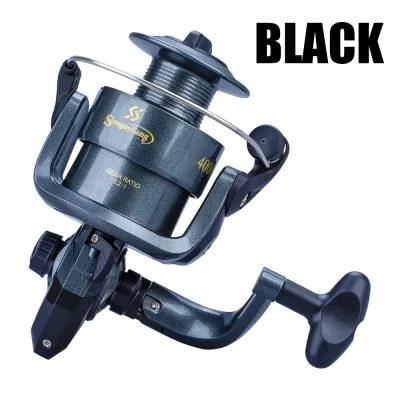
![[COD] Fishing Reel 5.2:1 GR Spinning Fishing Reel 1000 2000 3000 4000Series Anti-Corrosion Drive Gear Fishing Wheel for Freshwater and Salwater](https://img.lazcdn.com/g/p/aa219aa2ca4dff7d7c8ed1d28a366adf.jpg_400x400q80.jpg_.webp)
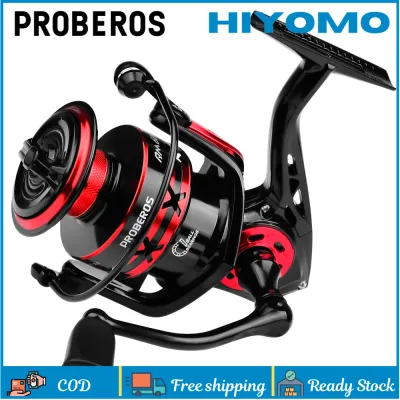
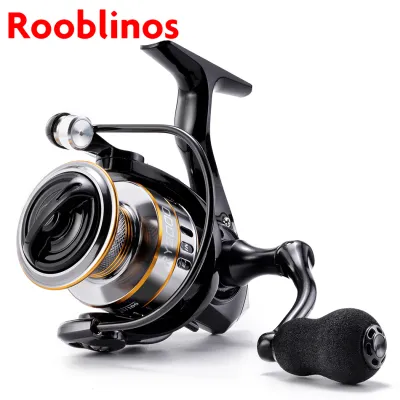
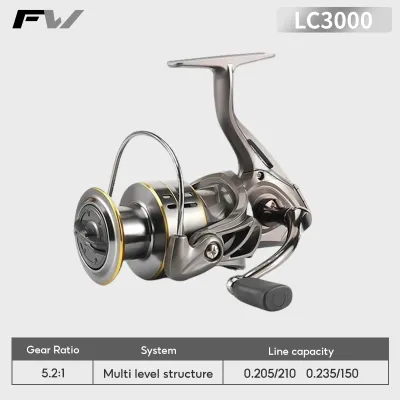
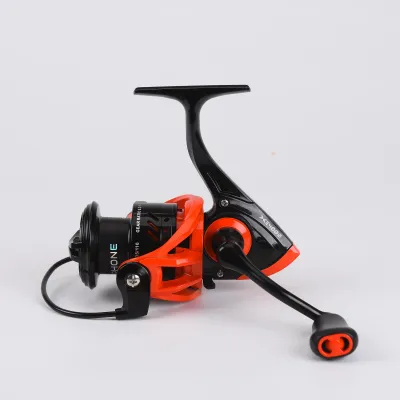
Prices are valid at publication and may change. Please refer to the product page for the latest price.
When shopping, check the manufacturer specifications for anti-corrosion coatings and treated internal components. Choosing the right material involves balancing weight, durability, and budget. Aluminum reels are highly durable and rigid but can be heavier and more expensive, while composite or carbon fiber reels offer lightweight comfort for long casting sessions in humid environments like the Philippines.
Sealing and Internal Protection Technologies
Even corrosion-resistant materials will fail if saltwater and abrasive sand penetrate the delicate internal gear system. Modern saltwater reels rely on advanced sealing technologies to keep water and debris out of critical areas. Sealed bearings, rubber O-rings, and protective gaskets are strategically placed around the main shaft, handle entry points, and drag assembly to create a barrier against moisture.

Many manufacturers use proprietary sealing systems or standard Ingress Protection (IP) ratings to indicate water resistance. When reviewing product specifications, look for clear indications of sealed drag systems and shielded bearings. An IP rating, such as IPX5 or IPX6, provides a standardized measure of how well the reel housing resists water penetration under specific test conditions, such as low-pressure water sprays.
However, it is vital to recognize the operational limits of these water-resistance claims. Most saltwater reels are designed to handle heavy splashes, rain, and brief surface dunks, but very few are engineered for complete, prolonged submersion under pressure. Before purchasing, inspect the reel’s external design to verify how well the joints and ports are aligned; a tightly constructed body with minimal visible gaps is a good indicator of effective sealing.
Drag Systems, Gear Ratios, and Line Capacity
The mechanical demands of saltwater fishing require robust drag systems to handle long, powerful runs. Saltwater species are generally faster and stronger, meaning your reel’s drag must deliver smooth, consistent pressure without overheating. Carbon fiber drag washers are highly favored in saltwater reels because they dissipate heat efficiently and maintain smooth performance under heavy loads.
When selecting a reel, review the maximum drag force specification and ensure it aligns with your target species. For inshore fishing targeting smaller species, a maximum drag of 5 to 7 kilograms is often sufficient. For larger offshore species or deep-sea bottom fishing, you may require a reel with a maximum drag exceeding 10 to 15 kilograms to stop powerful fish from reaching sharp rocks or coral reefs.
Gear ratios must also be chosen based on your specific fishing style. A high gear ratio, such as 6.2:1 or faster, retrieves line quickly, which is ideal for working fast lures, while a lower gear ratio, like 4.8:1, provides more cranking power for deep-water pumping. Finally, verify the line capacity ratings to ensure the spool can hold enough heavy braided or monofilament line to handle long runs and abrasive structures.
Post-Trip Maintenance and Care Requirements
Even the most advanced saltwater reel requires consistent post-trip maintenance to ensure long-term reliability. Salt deposits form quickly as water evaporates, leaving behind abrasive crystals that can grind down gears and ruin bearings. A simple, disciplined cleaning routine after every outing is the most effective way to protect your investment.
Start by rinsing the reel gently with clean, fresh water while keeping the drag tightened to prevent water from entering the drag stack. Avoid using high-pressure hose sprays, as the force can push salt and water past the rubber seals and deep into the internal gears. A gentle mist or a light wipe with a damp cloth is sufficient to dissolve and remove surface salt deposits.
After rinsing, loosen the drag completely to allow the internal washers to dry. Apply a few drops of high-quality, marine-grade reel oil or grease to key lubrication points like the line roller and main shaft. If you notice a grinding noise or if the reel was fully submerged, consult a qualified technician for professional internal servicing.
Frequently Asked Questions (FAQ)
Can I use a freshwater reel in saltwater occasionally?
Using a standard freshwater reel in saltwater is highly risky because its internal components are rarely treated to resist salt corrosion. Untreated steel bearings, aluminum alloys, and brass gears can begin to rust and pit within hours of exposure to salty air and water. If you must use a freshwater reel in a marine environment, you must immediately rinse it thoroughly with fresh water, dry it completely, and apply marine-grade lubrication to all moving parts to minimize potential damage.
Spinning vs. Baitcasting: Which is better for saltwater?
Spinning reels are generally preferred for most saltwater scenarios due to their ease of use, excellent wind tolerance, and versatility when casting light lures or live bait from the shore or a boat. They are highly effective for surf fishing and inshore casting where distance and wind resistance are key factors. Baitcasting reels, on the other hand, offer superior casting precision and direct cranking power, making them highly suitable for experienced anglers targeting heavy cover, jigging in deep water, or managing very heavy lines.

Community discussion
Share your experience or ask a question. Comments are reviewed before publication.