
Camping in the Philippines offers an incredible escape into diverse landscapes, from sandy coastal shores to cool mountain ridges. However, sleeping directly on the ground often presents challenges like damp soil, crawling insects, and uneven terrain. A folding bed tent solves these issues by combining an elevated cot with a protective tent canopy. This dual-purpose gear keeps you off the ground while shielding you from sudden tropical downpours and pests. Selecting the right model requires understanding how different designs handle local environmental conditions, ensuring your investment provides both comfort and durability. This guide outlines the essential criteria to evaluate when choosing a folding bed tent, helping you make an informed decision based on your specific camping style and needs.
Key Decision Factors for Philippine Camping Conditions
The diverse geography of the Philippines means your camping gear must adapt to rapidly changing environments. When evaluating a folding bed tent, the first consideration is the terrain of your typical campsite. Rocky riverbanks, sandy beaches, and muddy forest floors each demand specific structural features. An elevated frame must remain stable on uneven ground, which requires wide, articulating feet or mud caps that prevent the legs from sinking into soft soil. If you frequently camp in muddy areas, look for frames with corrosion-resistant coatings that can withstand constant exposure to moisture.
Weather patterns in the country are characterized by high humidity, intense heat, and sudden, heavy rainfall. A folding bed tent must balance waterproof protection with exceptional ventilation. In high-humidity environments, a completely sealed tent quickly becomes hot and stuffy due to trapped body heat and condensation. Therefore, look for models featuring large mesh panels that promote cross-ventilation when the rainfly is removed or rolled back. The rainfly itself must be robust enough to handle tropical downpours without leaking, requiring taped seams and a reliable waterproof rating.
Products mentioned in this guide
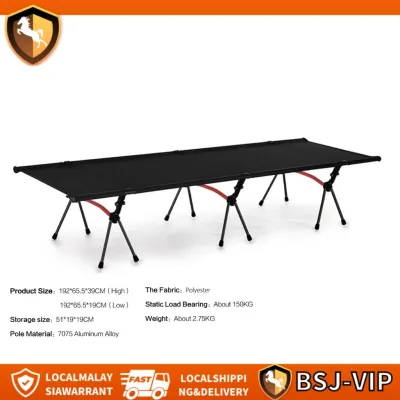
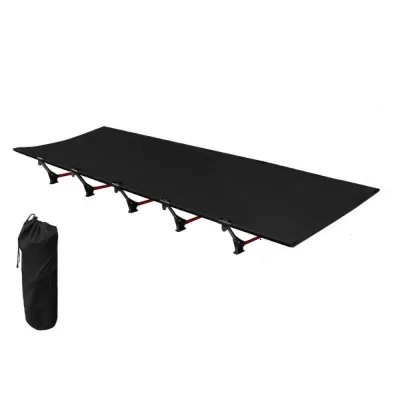
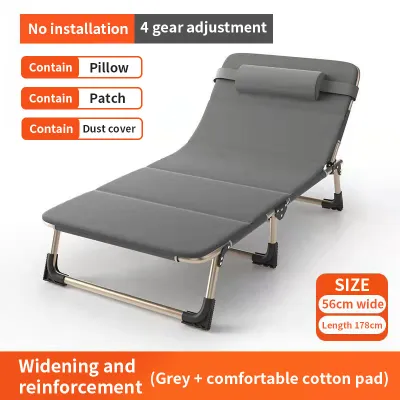
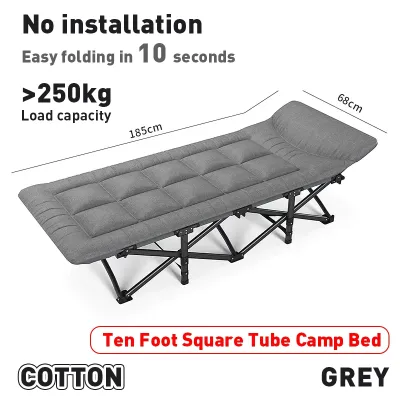
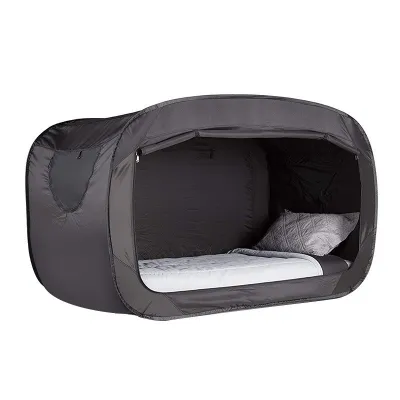
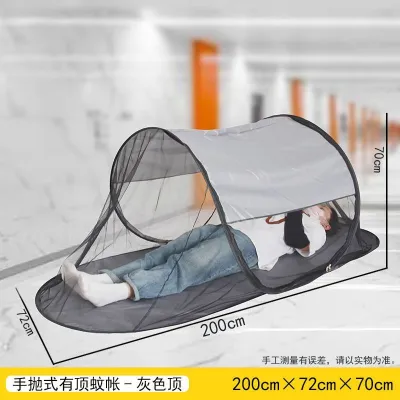
Prices are valid at publication and may change. Please refer to the product page for the latest price.
Transport logistics represent another critical factor for local campers. Depending on how you travel to your campsite, the packed dimensions and weight of the folding bed tent can make or break your trip. If you rely on public transportation, such as buses or tricycles, or if you ride a motorcycle, a bulky and heavy steel-framed tent is highly impractical. For these scenarios, compact, lightweight designs that fold down into a manageable carrying bag are essential. Conversely, if you primarily engage in car camping where you can drive directly to your pitch, you can prioritize a larger, heavier setup that offers superior comfort and interior space.
Essential Specifications to Evaluate Before Purchase
Before purchasing a folding bed tent, look past aesthetic designs and focus on technical specifications. Manufacturer ratings and material descriptions indicate how a product will perform under stress and exposure to the elements. Relying on these official specifications, rather than visual estimates, ensures you select a safe and durable product. The primary categories to evaluate include structural integrity, weather resistance, and sleeping surface compatibility.

Frame Construction and Weight Limits
The frame is the foundation of any folding bed tent, bearing your body weight and resisting wind forces. When reviewing specifications, pay close attention to the manufacturer’s stated weight capacity. It is vital to understand the difference between static load limits and dynamic movement stress. A static load limit refers to the weight the frame supports when completely still, while dynamic stress occurs when you sit down, roll over, or shift weight abruptly. To ensure safety, choose a frame with a weight limit that comfortably exceeds your body weight plus your gear.
Physical inspection of the frame is equally important. Examine the joint mechanisms, locking pins, and hinge reinforcements, as these are the primary stress points. High-quality frames utilize heavy-duty rivets or bolts and feature reinforced brackets at critical junctions. Avoid frames with thin plastic joints that can become brittle under direct sunlight or crack under sudden pressure.
The choice of frame material directly impacts both weight and durability. Aluminum alloy frames are highly favored for lightweight trekking and motorcycle camping due to their excellent strength-to-weight ratio and natural resistance to rust. However, they are generally more expensive. Steel frames, while significantly heavier and more prone to rust if the protective coating is damaged, offer unmatched rigidity and stability, making them ideal for stationary car camping where weight is not a primary concern.
Fabric Quality and Weather Protection
The fabric of your folding bed tent serves as your primary shield against the elements. To evaluate waterproof capabilities, check the hydrostatic head rating of the rainfly and the tent floor, which is measured in millimeters (mm). A higher rating indicates greater resistance to water pressure. For tropical downpours, a rainfly with a rating of at least 1,500mm to 2,000mm is recommended to prevent water from penetrating the fabric during prolonged rain.
Mesh density is another critical specification, particularly in tropical climates where mosquitoes and other biting insects are prevalent. Look for fine, high-density mesh (often referred to as ‘no-see-um mesh’) that keeps even the smallest insects out. However, ensure the mesh panels are large enough to allow adequate airflow. Proper cross-ventilation is essential for reducing interior heat and managing condensation during warm, humid nights.
Direct sunlight can degrade tent fabrics over time, causing them to become brittle and tear easily. Verify whether the outer canopy and rainfly have received UV-resistant treatments. These coatings reflect harmful ultraviolet rays, protecting both the fabric fibers and the occupants inside. A UV-treated fabric ensures the tent retains its structural integrity and color even after extended exposure to the intense Philippine sun.
Matching Tent Configurations to Your Camping Style
Folding bed tents come in various configurations, ranging from ultra-compact single units to spacious multi-person setups. Matching the tent’s design to your specific camping style ensures you do not carry unnecessary weight or struggle with an overly complex setup. Your choice will directly influence your preparation time, physical exertion during transport, and the overall footprint you occupy at the campsite.
Solo and Lightweight Trekking Options
For individual adventurers, solo hikers, and motorcycle campers, portability is the ultimate priority. When selecting a solo folding bed tent, focus on the packed size, overall weight, and the ergonomics of the carrying strap or bag. The gear must fit easily into standard hiking backpacks, motorcycle panniers, or the compact trunk of a small vehicle.
Minimalist designs often feature lower profiles and reduced interior headroom to minimize weight and wind resistance. While these options may limit your ability to sit upright comfortably, they excel in providing a quick, secure, and highly portable sleeping solution. Look for models that utilize lightweight aluminum poles and integrated cot-to-tent designs that can be deployed in minutes, allowing you to establish camp rapidly after a long day of travel.
Family and Car Camping Setups
If you camp with family or friends and travel primarily by car, your priorities shift toward comfort, space, and convenience. Car camping setups can accommodate heavier, more robust frames that offer superior stability and higher weight capacities. These tents often feature generous interior headroom, allowing you to sit up, change clothes, and move around with ease.
Look for family-sized configurations that offer multi-person capacity or modular designs. Some advanced models allow you to zip multiple tents together or connect them via shared vestibules, creating a customized communal living space. Integrated gear pockets, lantern hooks, and room dividers are also valuable features that help keep the interior organized and comfortable for multiple occupants over extended stays.
Building a Condition-Based Shortlist for Online and In-Store Shopping
Finding the right folding bed tent involves a systematic approach to filtering options, whether you are browsing online marketplaces or visiting local outdoor specialty stores. When shopping on e-commerce platforms, use specific search filters to narrow down the vast selection. Filter by weight capacity, packed dimensions, and frame material to eliminate models that do not meet your structural requirements. Always set your search parameters to display prices in ₱ to keep a clear view of your budget, and look for listings that provide detailed specification sheets rather than vague descriptions.
User reviews are invaluable for identifying potential long-term issues that may not be apparent from product photos. Look for recurring feedback regarding mechanical failures, such as joints that jam, zippers that snag easily, or fabric that tears at high-stress seams. Pay close attention to reviews written by buyers who have used the tent in tropical or coastal conditions, as they can provide realistic insights into how the materials hold up against humidity and salt air.
If you prefer to shop in person, take full advantage of physical display models. Inspect the stitching quality along the seams, ensuring there are no loose threads or uneven tension. Test the zippers repeatedly to verify they glide smoothly without catching on the fabric. Shake the assembled frame gently to assess its rigidity and check how easily the locking pins engage. Additionally, review the included instruction manual to ensure the setup process is clear and straightforward.
Before finalizing your purchase, verify the seller’s return policy and warranty coverage. A reputable seller or manufacturer should offer a warranty against manufacturing defects, particularly for critical components like the frame joints and waterproof coatings. Understanding the terms of the warranty and the process for claiming replacement parts provides peace of mind and protects your investment.
Setup, Maintenance, and Storage Best Practices
Proper care and maintenance are essential for maximizing the lifespan of your folding bed tent and ensuring it remains safe to use. Always begin by carefully reading and following the manufacturer’s setup instructions. When unfolding the frame, ensure all joints are fully extended and the locking pins are securely engaged before applying any weight. Avoid forcing stiff joints, as this can bend the metal poles or damage the hinges. When securing the rainfly, tension the fabric evenly; over-tightening can strain the seams and lead to premature tearing or water leakage.
After returning from a camping trip, implement a thorough cleaning routine. Mud, sand, and organic debris can degrade the fabric and corrode metal components if left unchecked. Wipe down the frame with a damp cloth and clean the tent fabric using mild soap and water. Never use harsh detergents or machine wash the tent, as this can strip away the waterproof and UV-resistant coatings. Allow the tent and frame to air dry completely in a shaded, well-ventilated area before packing them away. Storing gear while it is still damp is the primary cause of mold and mildew growth, which can ruin the fabric and create unpleasant odors.
When packing the tent, use the manufacturer-recommended folding techniques. Avoid folding the fabric along the exact same creases every time, as this can weaken the material and damage the waterproof backing over time. Roll the fabric gently rather than stuffing it tightly, and ensure the frame is packed securely to prevent metal edges from rubbing against and puncturing the tent walls during transport.
Finally, establish a routine inspection schedule. Before and after every camping trip, check the frame for loose screws, worn locking pins, or bent poles. Inspect the fabric for minor abrasions or small punctures, and patch them immediately using tent repair tape to prevent them from expanding. Regularly checking and maintaining your gear ensures it remains reliable and ready for your next outdoor adventure.
Frequently Asked Questions (FAQ)
Can I use a standard sleeping bag inside a folding bed tent?
Yes, you can use a standard sleeping bag inside a folding bed tent, but consider how the elevated design affects temperature regulation. Because the cot elevates you off the ground, air circulates freely underneath the sleeping surface. In cooler camping areas, this airflow can strip away body heat, making you feel colder than you would on the ground. To counter this, place an insulated sleeping pad directly on the cot surface beneath you or use a warmer sleeping bag. Additionally, check the interior dimensions of the tent to ensure your sleeping bag fits without pressing against the wet tent walls.
How do I prevent condensation inside the tent during humid nights?
Managing condensation in tropical climates requires maximizing airflow to carry away warm, moist air. Keep all mesh vents and windows open as much as possible, even when using the rainfly. Ensure the rainfly is pitched with adequate clearance from the inner tent body to allow air to flow upward and out through the top vents. When choosing a campsite, avoid low-lying, damp areas where moisture naturally collects overnight. Instead, pitch your tent on slightly elevated ground under a light canopy where natural breezes can assist with cross-ventilation.
What should I do if a frame joint gets stuck during setup?
If a frame joint becomes stiff or stuck during setup, never use excessive force, kick the frame, or use heavy tools to force it open. Applying brute force can easily bend aluminum poles, strip threads, or snap delicate locking pins, rendering the tent unusable. Instead, inspect the joint for trapped dirt, sand, or debris that may be obstructing the mechanism. Gently clear any blockages and apply a small amount of manufacturer-approved silicone lubricant to the hinge. If the joint remains stuck, contact the manufacturer or seller to inquire about replacement parts or warranty service.

Community discussion
Share your experience or ask a question. Comments are reviewed before publication.