
Selecting the right braided fishing line for heavy-duty game fishing requires balancing extreme breaking strength, abrasion resistance, and reel capacity. In deep-sea environments where large pelagic species make long, powerful runs, the zero-stretch nature of braid offers superior sensitivity and hook-setting power, but it also demands careful selection of line diameter, carrier count, and leader pairing. This guide provides a comprehensive evaluation framework to help you identify the correct specifications, verify manufacturer claims, and match the line profile to your specific offshore techniques, ensuring your gear can withstand the rigors of deep-water battles.
When targeting powerful offshore species, your choice of line is the ultimate link between you and a trophy catch. Unlike shallow-water angling, deep-sea game fishing exposes your equipment to extreme hydrostatic pressure, intense ultraviolet radiation, and the relentless abrasive force of large fish. Understanding how to evaluate the structural integrity and physical properties of braided line allows you to make an informed decision that prevents catastrophic gear failure at the moment of a strike.
Key Specifications for Heavy-Duty Game Fishing Lines
Evaluating a braided fishing line begins with understanding the relationship between its breaking strength and its physical diameter. Because braided line is manufactured from ultra-high-molecular-weight polyethylene fibers, it achieves a incredibly high tensile strength at a fraction of the diameter of traditional monofilament. For heavy-duty offshore applications, this thin profile is a massive advantage, allowing you to pack hundreds of yards of high-test line onto your reel spool. However, selecting a line that is too thin for your target species can lead to the line burying itself into the spool under heavy drag pressure, resulting in a sudden line snap during a fight. Anglers must carefully match the line’s rated breaking strength to the drag capabilities of their reel, ensuring the diameter is sufficient to resist burying while still maximizing overall line capacity.
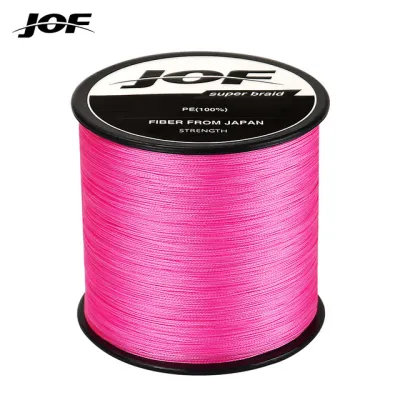
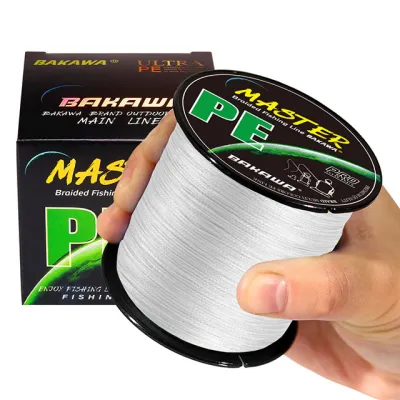
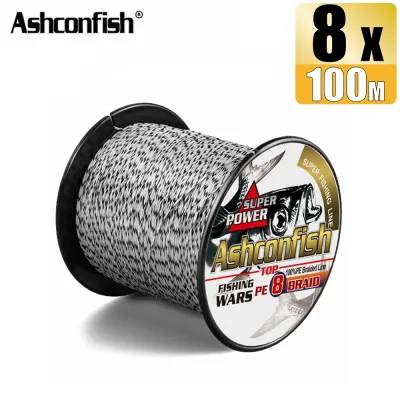
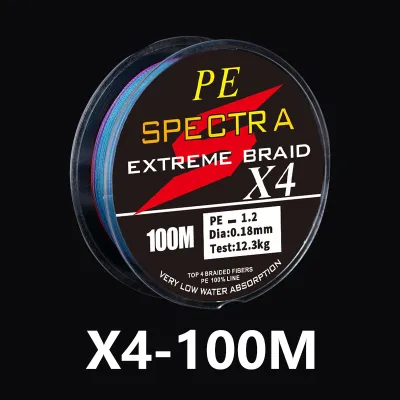
Products mentioned in this guide
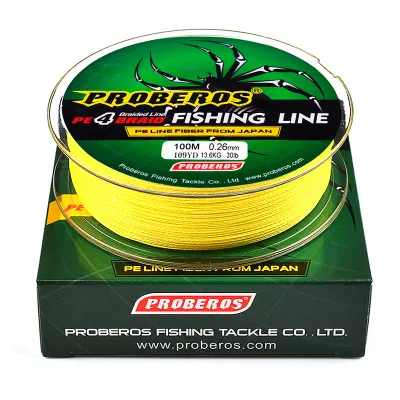
![[COD]100M 4 Strands Braided Fishing Line Super Strong PE Fishing Line Multifilament Braided Line](https://img.lazcdn.com/g/p/8dbdacca26bccd82e41c2f861d68deb8.jpg_400x400q80.jpg_.webp)
Prices are valid at publication and may change. Please refer to the product page for the latest price.
The carrier count, which refers to the number of individual strands braided together to form the line, directly dictates its performance characteristics. Heavy-duty braids are typically constructed in 4-carrier, 8-carrier, or 12-carrier configurations. A 4-carrier braid is woven from four thicker strands, resulting in a highly durable, rough-textured line that excels in resisting abrasion against sharp structures, though it produces more friction and noise when passing through rod guides. An 8-carrier braid utilizes eight thinner strands to create a much rounder, smoother profile that glides silently through guides, making it the preferred choice for maximizing casting distance and achieving smooth drag performance. A 12-carrier braid represents the pinnacle of smoothness and roundness, offering exceptional handling and casting efficiency, though the ultra-fine individual strands require careful management to avoid micro-abrasions.
Line color is another critical specification that serves distinct functional purposes in deep-sea environments. High-visibility colors, such as bright chartreuse, orange, or metered multi-color lines that change color every ten meters, are invaluable for tracking the angle and direction of your line in deep water. This visibility allows you to monitor drift, detect subtle bites, and coordinate boat maneuvers during a fight. Conversely, low-visibility colors like dark green or deep blue are designed to blend seamlessly into the ocean depths, reducing the likelihood of spooking line-shy pelagic species in crystal-clear offshore waters. When using high-visibility lines, integrating a long, low-visibility leader is essential to maintain stealth near the bait or lure.
Verifying Durability and Performance Claims
In tropical marine environments, intense sunlight and high salinity create a highly corrosive atmosphere that rapidly degrades fishing gear. When selecting a braided line, it is crucial to verify manufacturer claims regarding UV-resistant coatings and saltwater protection. High-quality braids feature specialized polymer treatments or thermal-fused coatings that seal the individual fibers, preventing saltwater absorption and shielding the core material from photo-degradation caused by prolonged exposure to the tropical sun. Before purchasing, check product specifications for explicit mentions of color-fast treatments or protective jackets, as untreated braids will quickly fade, absorb water, become heavy, and lose their rated tensile strength after only a few offshore trips.

Another vital step in verifying a line’s real-world performance is comparing its stated straight-pull breaking strength against its actual knot strength. Braided line is inherently slick, which means standard knots can easily slip or cut through themselves under heavy tension, significantly reducing the line’s effective breaking point. While a manufacturer may label a line as 80-pound test, the actual strength at the knot can drop by up to 30% to 50% if the line’s surface texture does not support secure knot seating. Look for lines that feature a tight-weave technology, where the strands are braided under extreme tension to create a dense, compact structure. This tight weave prevents the line from flattening under load, allowing knots to bite securely and maintain a higher percentage of the line’s original breaking strength.
To withstand the physical abuse of deep-sea battles, you must also identify specific abrasion-resistant treatments applied to the line. Pelagic species like tuna, marlin, and wahoo possess rough skin, sharp bills, and abrasive gill plates that can instantly shred standard braided fibers upon contact. Furthermore, deep-water structures such as reefs, seamounts, and shipwrecks present constant hazards during deep-drop fishing. Verify whether the line has undergone specialized manufacturing processes, such as thermal bonding or outer coating applications, which create a slick, hardened barrier. This protective layer allows the line to slide over rough surfaces with minimal fiber fraying, giving you the critical margin of safety needed to land powerful fish in challenging environments.
Matching Line Profiles to Offshore Techniques
Different offshore fishing methods demand distinct braided line profiles to optimize performance and ensure success. For deep-drop bottom fishing, where you are targeting deep-water groupers or snappers in hundreds of meters of water, minimizing line drag in the water column is paramount. A thin, dense, metered 8-carrier braid is ideal for this application, as it cuts through strong ocean currents with minimal bowing, allowing your heavy sinker to reach the bottom quickly and maintaining a direct, sensitive connection to your bait. In contrast, high-speed trolling for large pelagics requires a line that can withstand the violent, high-speed impact of a strike. For trolling, a slightly thicker, highly durable 8-carrier or 4-carrier braid is preferred, as the added diameter provides extra insurance against sudden shock loads and prolonged friction.
Because braided line has virtually zero stretch, it cannot absorb the sudden, violent impacts of a leaping marlin or a diving tuna. To compensate for this lack of elasticity, you must integrate a properly planned shock leader into your rigging. A shock leader, typically constructed from heavy monofilament or fluorocarbon, acts as a mechanical spring that cushions the initial strike and absorbs the energy of sudden head shakes. For structure-heavy environments or toothy targets, a heavy fluorocarbon leader is highly recommended due to its superior abrasion resistance and near-invisible refractive index in water. For high-speed trolling or when targeting species that make long, erratic runs, a long monofilament top-shot (often 20 to 50 yards) provides the necessary stretch and forgiveness to prevent hooks from pulling out of the fish’s mouth.
Calculating your reel’s spool capacity and planning your backing material are essential steps before heading offshore. When preparing a large conventional reel for prolonged battles, filling the entire spool with expensive braided line is often unnecessary and can lead to line slippage on the metal spool arbor. To prevent the entire spool of braid from spinning under heavy drag, start with a backing of heavy monofilament tied securely to the arbor, or wrap the spool arbor with high-friction electrical tape. Calculate the required yardage of your braided main line—typically a minimum of 400 to 600 yards for heavy-duty game fishing—to ensure you have a sufficient line reserve to survive the initial, long-distance run of a massive pelagic fish without running out of line.
Pre-Purchase Verification and Spooling Essentials
Before finalizing your purchase, it is highly beneficial to conduct a thorough pre-purchase verification of the product listings to ensure you are getting genuine value. Compare the price-per-yard value in Philippine Pesos (₱) across different spool sizes, as bulk spools (such as 1,000 yards or more) generally offer a much lower cost per yard than smaller filler spools. This is particularly important for heavy-duty offshore reels, which require substantial line volume to fill properly. Additionally, verify the manufacturer’s listed diameter consistency; high-quality braided lines maintain a uniform diameter throughout the entire length of the spool, which eliminates weak spots and ensures consistent performance across the entire line profile.
Properly spooling your braided line is just as critical as selecting the right specifications. Because braid is incredibly slick and dense, it must be packed onto the reel spool under immense, consistent tension. If the line is spooled too loosely, the outer layers of braid will dig down into the underlying wraps when a fish pulls drag, causing a catastrophic line jam that will instantly snap your line during a fight. Always spool the line under heavy pressure, using a dedicated spooling station or having a professional tackle shop machine-spool it for you. When tying the line to the spool, utilize a non-slip arbor knot and ensure the first few wraps are locked tightly in place to prevent any rotational slippage under heavy drag settings.
Finally, confirm that the physical characteristics of the braided line match your specific rod and reel configuration. Heavy-duty spinning reels require highly supple, round braids to prevent wind knots and ensure smooth line flow during high-speed casts. Conversely, large conventional trolling reels can easily accommodate stiffer, more heavily coated braids that prioritize raw durability over casting performance. You must also inspect your rod guides before spooling; heavy-duty braided line exerts immense friction and heat under load, which can easily groove or damage low-quality guide inserts. Ensure your rod is equipped with high-quality, braid-ready guides, such as silicon carbide or alconite, to guarantee smooth line travel and prevent premature line wear during intense, prolonged battles.
Frequently Asked Questions (FAQ)
How often should heavy-duty braided line be replaced?
Heavy-duty braided line should be inspected regularly and replaced based on its physical condition rather than a strict timeline. Run your fingers along the first several meters of the line before every trip to feel for any fuzziness, flat spots, or nicks, which are clear indicators of structural fraying. Severe color fading is a common sign of prolonged UV exposure, which can weaken the synthetic fibers over time. In tropical saltwater environments, if you fish frequently, a practical maintenance strategy is to reverse the line on your spool after a season—moving the worn outer section to the bottom of the spool and exposing the fresh, unused inner section—or to replace the line entirely every one to two years to ensure absolute reliability during a trophy fight.
Does braided line require a special knot for heavy game fish?
Yes, braided line requires specialized, friction-based knots due to its exceptionally slick surface and lack of stretch. Standard knots designed for monofilament, such as the Clinch knot, will easily slip and untie under the extreme tension exerted by heavy game fish. For connecting your braided main line to terminal tackle or swivels, highly secure knots like the Palomar knot or a doubled Uni knot are recommended. For joining your braid to a heavy fluorocarbon or monofilament leader, the FG knot or the PR knot is widely considered the gold standard, as their slim, streamlined profiles pass effortlessly through rod guides while maintaining nearly 100% of the line’s breaking strength. Always remember to moisten your knots with water or saliva before tightening them to prevent heat friction from damaging and weakening the synthetic fibers.

Community discussion
Share your experience or ask a question. Comments are reviewed before publication.