
Finding the right fishing rod in the Philippines requires balancing performance, durability, and cost. With the tropical climate, high humidity, and diverse fishing environments—ranging from brackish estuaries and coastal saltwater shores to freshwater lakes—anglers must look past marketing buzzwords to find true value. The Shadow for the Win rod has emerged as a notable contender in the mid-range market, drawing interest from local anglers seeking a reliable setup without a premium price tag. However, determining whether this specific rod represents the best value for your hard-earned money requires a systematic comparison against other rods in its class. By analyzing material quality, physical specifications, and real-world suitability, you can make an informed decision that aligns with your target species and preferred fishing techniques.
Core Criteria for Evaluating Fishing Rod Value
To objectively compare the Shadow for the Win rod with its competitors, you must first establish a clear set of evaluation criteria. The most critical factor is the material composition of the rod blank. Most modern rods in this price bracket utilize either carbon fiber (often referred to as graphite), fiberglass, or a composite blend of both. Carbon fiber offers superior sensitivity and a lighter weight, which reduces fatigue during long casting sessions along coastal waters. When examining a rod, check the manufacturer’s label or technical specifications for the modulus rating, which indicates the stiffness-to-weight ratio of the carbon fibers. A higher modulus generally translates to a more responsive blank, though it can also make the rod more brittle if subjected to sudden, high-impact loads. Fiberglass, on the other hand, provides exceptional durability and flexibility, making it highly resilient when fighting aggressive local species like mangrove jack or snakehead, though it lacks the crisp sensitivity of pure carbon.
Next, evaluate the rod’s action and power ratings, as these specifications dictate how the rod behaves under load. Power refers to the rod’s resistance to bending, ranging from ultra-light to extra-heavy. Action describes where the rod bends along its length when pressure is applied. A fast-action rod bends primarily near the tip, offering quick hook sets and precise lure control, which is ideal for working soft plastics or topwater lures. A moderate or slow-action rod bends further down the blank, providing a more forgiving cushion that prevents hooks from tearing out of soft-mouthed fish and allowing for longer, more sweeping casts.
Products mentioned in this guide
![[Local]Shadow For The Win M/ML 2 Tips Fishing Rod 1.68M/1.8M/1.98M Carbon Fibre Spinning Rod Fishing Gear](https://img.lazcdn.com/g/p/7e71876ff2cfcd3de9d9d8ff8698b043.jpg_400x400q80.jpg_.webp)
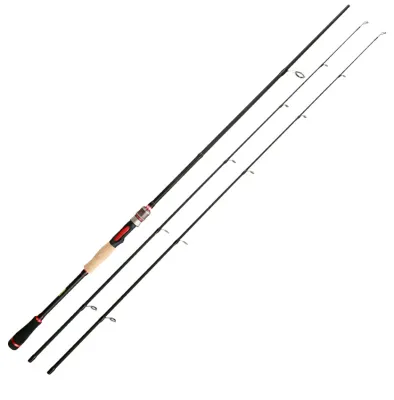
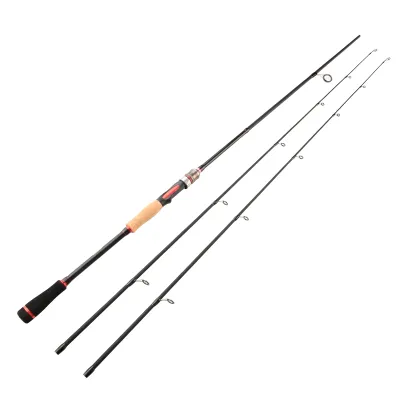
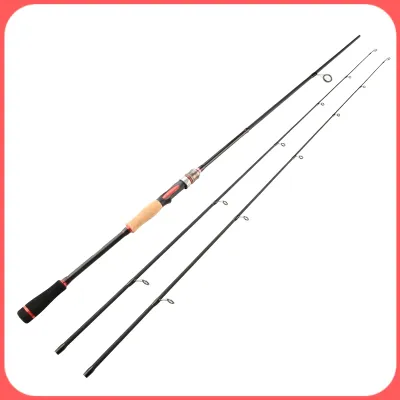
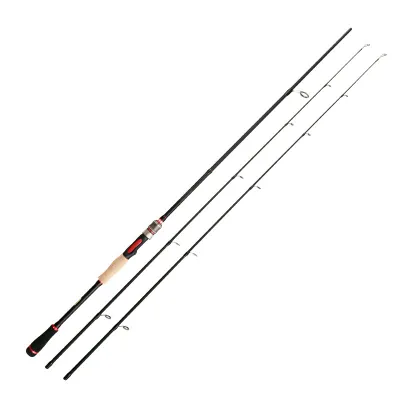
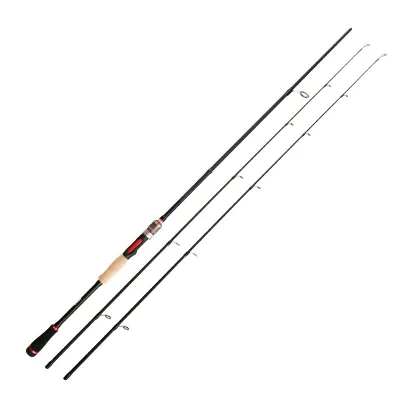
Prices are valid at publication and may change. Please refer to the product page for the latest price.
Finally, do not overlook the quality of the hardware, particularly the guide frames and inserts. In humid, coastal environments, inferior guides quickly succumb to rust and corrosion, ruining your line and rendering the rod useless. Look for guide frames made from corrosion-resistant stainless steel or specialized alloys. The inserts inside the guides—typically made from materials like aluminum oxide, silicon carbide, or ceramic—must be perfectly smooth to minimize friction and heat buildup during long casts and intense runs. Inspecting these components closely ensures you select a rod built to withstand both the elements and the physical demands of active angling.
Inspecting the Shadow for the Win Rod Specifications
When evaluating the Shadow for the Win rod, your first step should be a thorough physical inspection of its printed specifications and build quality. Locate the manufacturer’s specification block, which is typically printed just above the foregrip on the rod blank. This section provides essential parameters, including the rod’s overall length, piece count, recommended line weight (usually measured in pounds or PE ratings), and the optimal lure weight range. For versatile shore casting or boat fishing in local waters, a medium or medium-heavy rod with a length of six to seven feet is often preferred. Ensure that these printed ratings align with the specific techniques you plan to employ, as overloading a rod beyond its rated lure weight can lead to catastrophic blank failure during a cast.

Beyond the printed numbers, examine the physical construction of the rod to assess its overall craftsmanship. Run your fingers along the guide wraps to check for neatness and even epoxy application. Excessively thick, uneven, or cracked epoxy wraps can indicate poor quality control and may lead to guide alignment issues over time. Test the reel seat by screwing it open and closed; it should operate smoothly without binding, and the hood should securely lock your spinning or baitcasting reel in place without any lateral play.
The handle material also plays a significant role in comfort and control. Compare the feel of the Shadow for the Win rod’s handle—whether it utilizes high-density EVA foam or natural cork—against your personal preferences. EVA foam is highly durable, easy to clean, and resists the degrading effects of saltwater and fish slime, making it an excellent choice for tropical climates. Cork offers a classic aesthetic and excellent sensitivity, but it can degrade or pit over time if not properly maintained. Additionally, check what accessories are included in the purchase. A high-quality rod sock, a protective hard case, or an extra interchangeable tip section can significantly enhance the overall value proposition, saving you the additional expense of buying protective gear separately.
Matching Rod Features to Your Fishing Style
Selecting the right fishing rod is ultimately a matter of matching the equipment to your specific angling habits and local environments. The Shadow for the Win rod may be an excellent fit if its official line and lure weight ratings align precisely with your primary fishing techniques. For instance, if you spend your weekends casting light jigs for wild tilapia in freshwater streams or targeting small trevally along sandy beaches, a light to medium-power rod with a fast action will provide the sensitivity needed to detect subtle bites.
However, you should look for alternative options if your local fishing environment demands specialized features not explicitly covered by this rod’s specifications. If you frequently fish in heavy cover, such as dense mangrove roots or submerged timber, you will require a heavy-power rod with a robust backbone to quickly pull powerful fish away from obstructions. Similarly, if your primary target is large saltwater game fish from a boat or rocky headland, you must prioritize rods with enhanced marine-grade corrosion resistance, heavy-duty double-foot guides, and a blank engineered to handle high-drag pressures.
Before making a final decision, it is highly recommended to verify the rod’s balance, sensitivity, and grip comfort. If possible, visit a local tackle shop to handle the physical product. Mount your preferred reel onto the rod to check the overall balance point; a well-balanced setup should feel neutral in your hand, preventing tip-heaviness that leads to wrist fatigue. If you are purchasing online, carefully read detailed user reviews from other anglers in the region, paying close attention to feedback regarding how the rod performs under actual fishing conditions and whether the real-world action matches the manufacturer’s description.
Verifying Price, Warranty, and Authenticity
To ensure you are getting a genuine product at a fair price, you must exercise diligence when navigating retail channels. Start by cross-referencing prices across reputable online marketplaces and local physical tackle shops. This helps establish a reliable market baseline for the Shadow for the Win rod. Be highly skeptical of listings that offer the rod at unusually steep discounts or prices far below the established average, as these are often indicators of counterfeit goods, factory seconds, or gray-market imports that lack official manufacturer support.
Verifying seller authenticity is crucial to protecting your investment. When shopping online, look for official brand storefronts or authorized dealer badges. If purchasing from a local physical store, do not hesitate to ask the shop owner if they source their inventory directly from the official distributor. Buying from authorized channels guarantees that you receive a genuine product constructed from the correct materials, rather than a cheap imitation that may snap under minimal pressure.
Finally, carefully review the warranty terms, return policies, and after-sales support before completing your purchase. A manufacturer that stands behind its product will typically offer a clear warranty period covering material defects and workmanship. Understand the process for filing a claim: check whether you need to register the product online after purchase, who covers the shipping costs for replacements, and if local service centers are available to handle repairs. A robust warranty and responsive customer service add substantial long-term value, giving you peace of mind every time you head out onto the water.
Frequently Asked Questions (FAQ)
How do I maintain the guides and blank after saltwater use?
To prolong the lifespan of your fishing rod and prevent corrosion, rinse the entire rod, including the guides, reel seat, and handle, with clean fresh water immediately after every saltwater outing. Avoid using harsh household chemicals, detergents, or abrasive brushes, as these can strip away the protective finish on the blank and damage delicate guide inserts. Instead, use a soft cloth or sponge to gently wipe away salt deposits and grime. Once clean, allow the rod to air dry completely in a well-ventilated, shaded area out of direct sunlight before storing it inside a rod sock, protective tube, or rod rack.
What should I check if the rod tip feels too stiff or too soft?
If the rod’s action or stiffness feels incorrect during use, first verify that the line test and lure weight you are using fall strictly within the manufacturer’s printed specifications. Using a lure that is too heavy will make the tip feel sluggish and soft, while a lure that is too light will fail to load the blank properly, making it feel overly stiff. If the tackle is correctly matched, inspect the entire length of the blank closely under bright light for any hidden micro-fractures, deep scratches, or impact marks from transport or accidental drops. If you detect no physical damage but the action remains highly inconsistent with the label, stop using the rod immediately and contact the retailer or manufacturer to request a professional warranty evaluation.

Community discussion
Share your experience or ask a question. Comments are reviewed before publication.